Renewi’s Sustainability Report reveals leading ESG performance
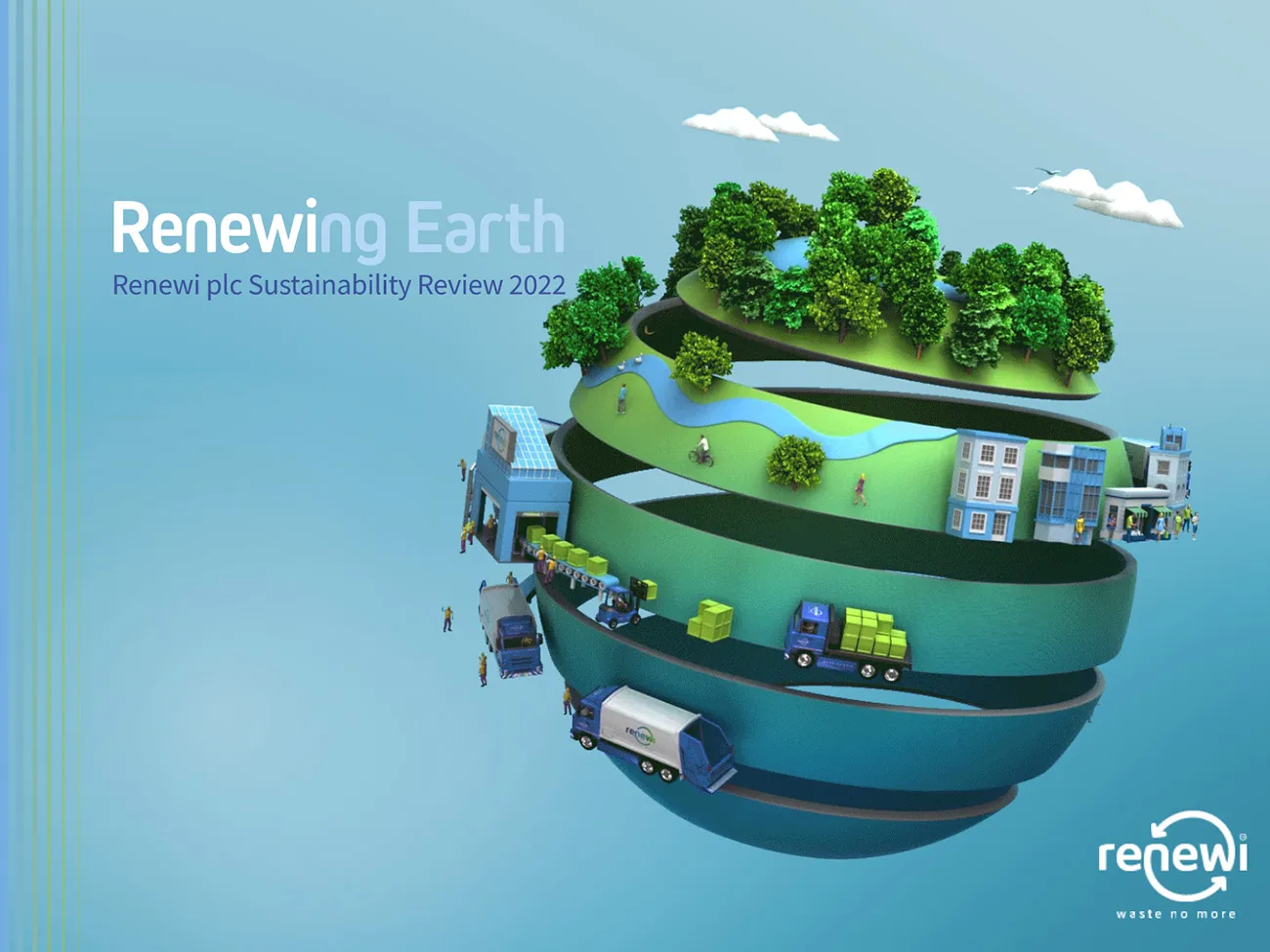
Renewi today published its Sustainability Report, setting out how the company is delivering on its sustainability goals and announcing a strong improvement in its ESG performance*.
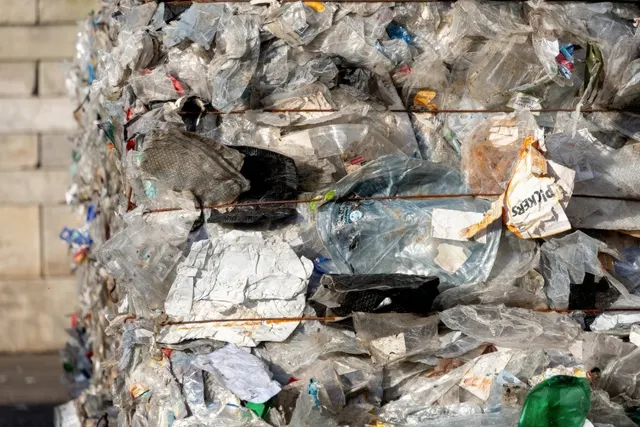
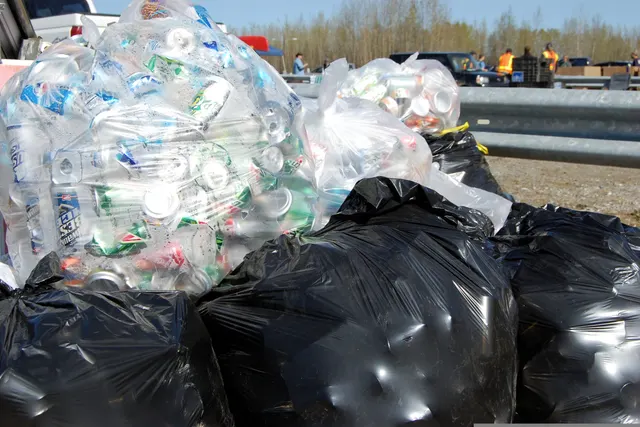
Renewi plc (LSE: RWI, Euronext: RWI) recycled 67% of the 12.4 million tonnes it processed last year, producing 8.4 million tonnes of material for reuse.
Some ESG highlights:
An increase in the recycling rate, the highest in the sector, to 67% (with a target of 75% by the end of 2025).
Avoidance of 3.1 million tonnes of CO2 emissions through recycling activities
A 36% decrease in lost-time injuries (LTI), reducing the lost-time injury frequency rate (LTIF) from 13.97 to 8.88.
It also highlights the urgent need for a circular economy and responsible waste management to complement the ongoing energy transition, which is essential to meeting climate change mitigation targets and staying within the 1.5 °C limit set by the Paris Agreement.
“Circularity and recycling must be the driving force behind climate action. Systemic changes to reuse materials and give waste a new life are crucial to the transition to a circular economy,” says Otto de Bont, CEO of Renewi. “Sustainability is central to Renewi’s business model. Our goal, to give used materials a new life, enables the circular economy, which is essential if society is to meet its CO2 reduction targets,” de Bont adds.
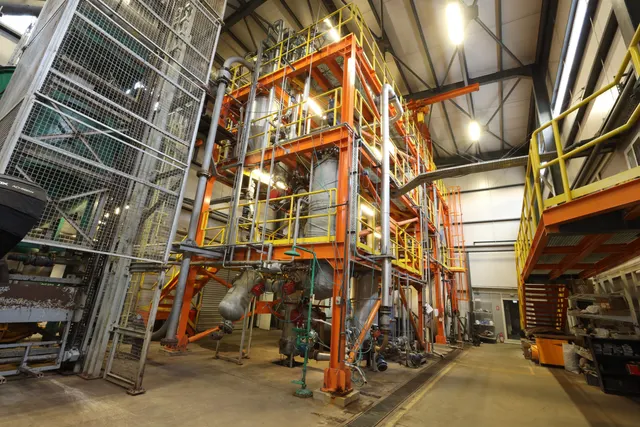
Operating in the world’s most advanced circular economies, the Netherlands and Belgium, offers growing opportunities to invest and form partnerships to recover more materials from waste. Renewi uses increasingly sophisticated sorting and processing methods to produce valuable secondary materials with a low carbon footprint.
In the Benelux in particular, governments, the European Union, businesses and consumers are taking action and making changes to tackle the climate crisis. In its Sustainability Report, Renewi says that this progress needs to be accelerated further.
A circular economy requires partnership, collaboration and major investment in innovative technology. By working together, multiple players can identify the measures needed to replace waste incineration and the linear economy. Solutions include greater specialisation in waste sorting and processing, and the increasing ‘valorisation’ of waste to produce better materials for reuse.
Renewi’s three sustainability pillars
Renewi’s sustainability strategy is based on three pillars: enabling the circular economy by replacing incineration and landfill with recycling, reducing its own carbon emissions, and caring for people. We are ambitious in our sustainability goals and are currently working on a roadmap to reduce scope 1, 2 and 3 emissions, so that we can commit to carbon neutrality. We are also broadening our understanding of climate change beyond CO2 and have begun to expand our sustainability goals to account for this.
Optimistic outlook
Renewi is optimistic about the future. We are aware of the steps that need to be taken and are playing a leading role. We are at the forefront of conserving raw materials and resources: by replacing incineration and landfill with recycling, we play an active part in slowing global warming. By working with customers and partners to develop high-quality, low-carbon secondary materials for use in manufacturing, Renewi is helping to tackle the threat of climate change and improve the health of our planet for current and future generations. Small actions can have a big impact, and together we can change the world. Renewing Earth!
Read more about the company’s commitment in Renewi’s Sustainability Report.
Question about this story? Ask your question
Keep following this
Get an email when a new story is published. No account needed.
- SubjectWaste streams