New database helps businesses and consumers reduce plastic waste
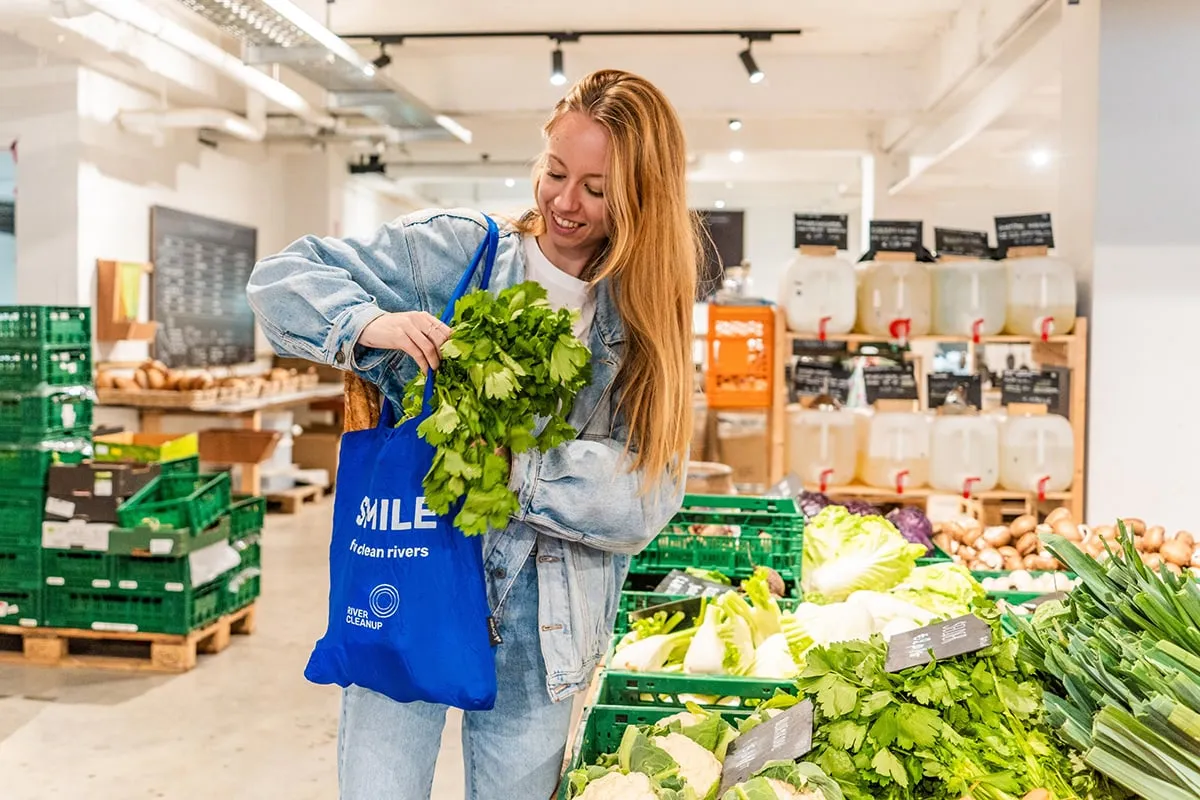
River Cleanup launches a database of smart solutions and practical tools to reduce plastic waste. The database offers organisations and consumers practical tips on avoiding, reducing and recycling single-use plastic, from reusable alternatives to refillable products. The Flemish non-profit organisation aims to encourage behavioural change that contributes to a circular economy.
A historic agreement to solve the global plastic crisis remains out of reach. The outcome of the recent UN summit on a first plastics treaty was a missed opportunity to tackle the problem at source and make the industry produce less plastic. However, consumers and businesses do not need to wait for new regulations before taking action to reduce their plastic consumption.
Plastic pollution is a growing problem, and River Cleanup believes tackling it is a shared responsibility. The impact of plastic particles on our health is becoming increasingly clear. They have been found in our drinking water, in freshly fallen snow in Antarctica and even in our brains. To help bring about change, River Cleanup is launching a database of alternatives to single-use plastic. It provides practical, accessible advice on reducing your plastic footprint and contributing to a cleaner planet and a sustainable future. The database is supported by the Department of Environment of the Flemish Government and aligns with Europe’s plans to curb packaging waste by 2030.
Avoiding plastic: the most sustainable solution
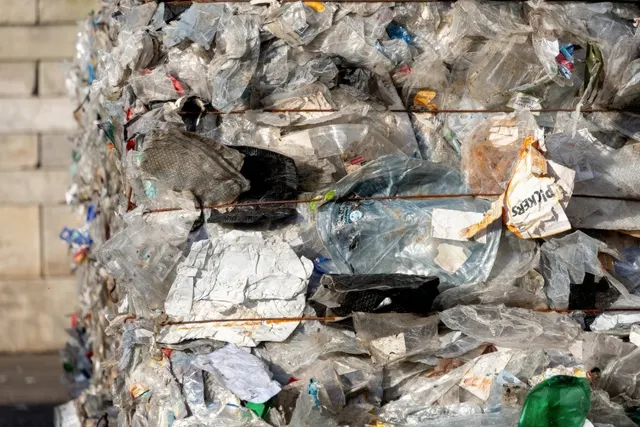
The average European generates 186.5 kilos of packaging waste per year. In Belgium, half of all plastic waste is not recycled, and plastic remains the least recycled waste category overall (54% in 2022). Recycling alone is therefore not enough to tackle the problem.
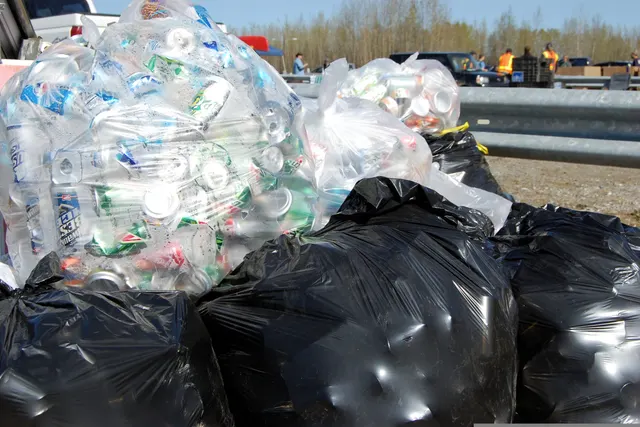
“Many people think recycling is the solution, but only a small proportion of plastic waste gets a second life. Almost a third (32%*) of the plastic in PMD bags is not recycled. It is destroyed or exported to countries where it is often dumped or burned alongside oceans or waterways.” Thomas de Groote, founder of River Cleanup.
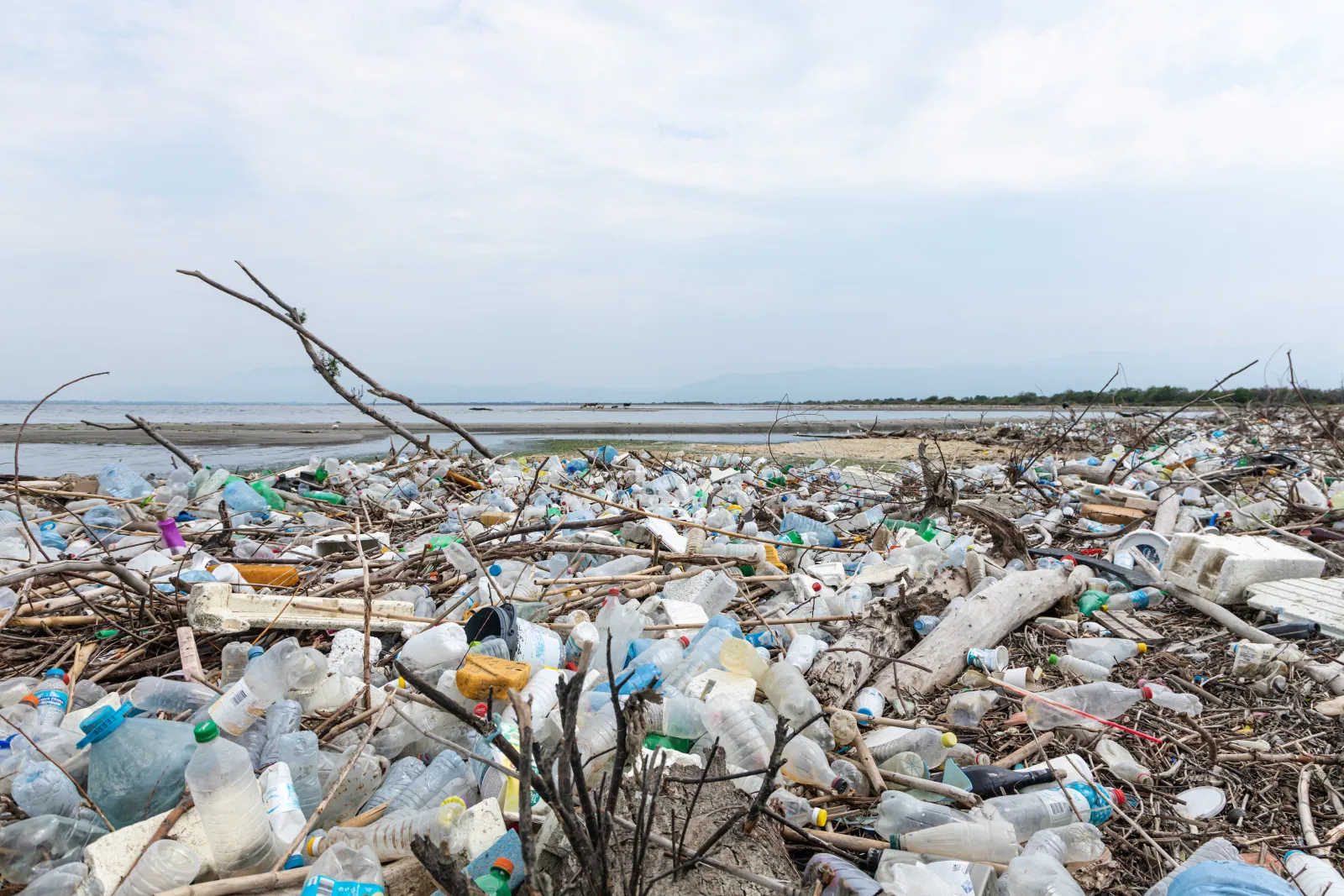
The best solution? Avoid plastic. “This also prevents plastic from breaking down in the environment into harmful microplastics. The most sustainable packaging is the packaging we do not use.”, explains Thomas de Groote. Policymakers are gradually moving in the same direction: the use of single-use plastic will be restricted by 2030. In addition to the most common single-use plastic items, such as cutlery, cotton buds and straws, which are already banned, plastic packaging for products including fresh vegetables and small shampoo bottles in hotels will also be banned in Europe.
Furthermore, all plastic packaging must now be recyclable. Online retailers will also no longer be allowed to send out parcels that are almost empty. Businesses therefore face a major challenge: making their packaging sustainable and their processes circular. Recycling has a role to play, but prevention and reuse are even more important. With the launch of the database, River Cleanup aims to support everyone in meeting this challenge.
“We want businesses and individuals to be more mindful of their use of single-use plastic and set a transformation in motion that has a positive impact on the environment, biodiversity, CO2 emissions and our health.”, Elien Schildermans, Project Manager at River Cleanup
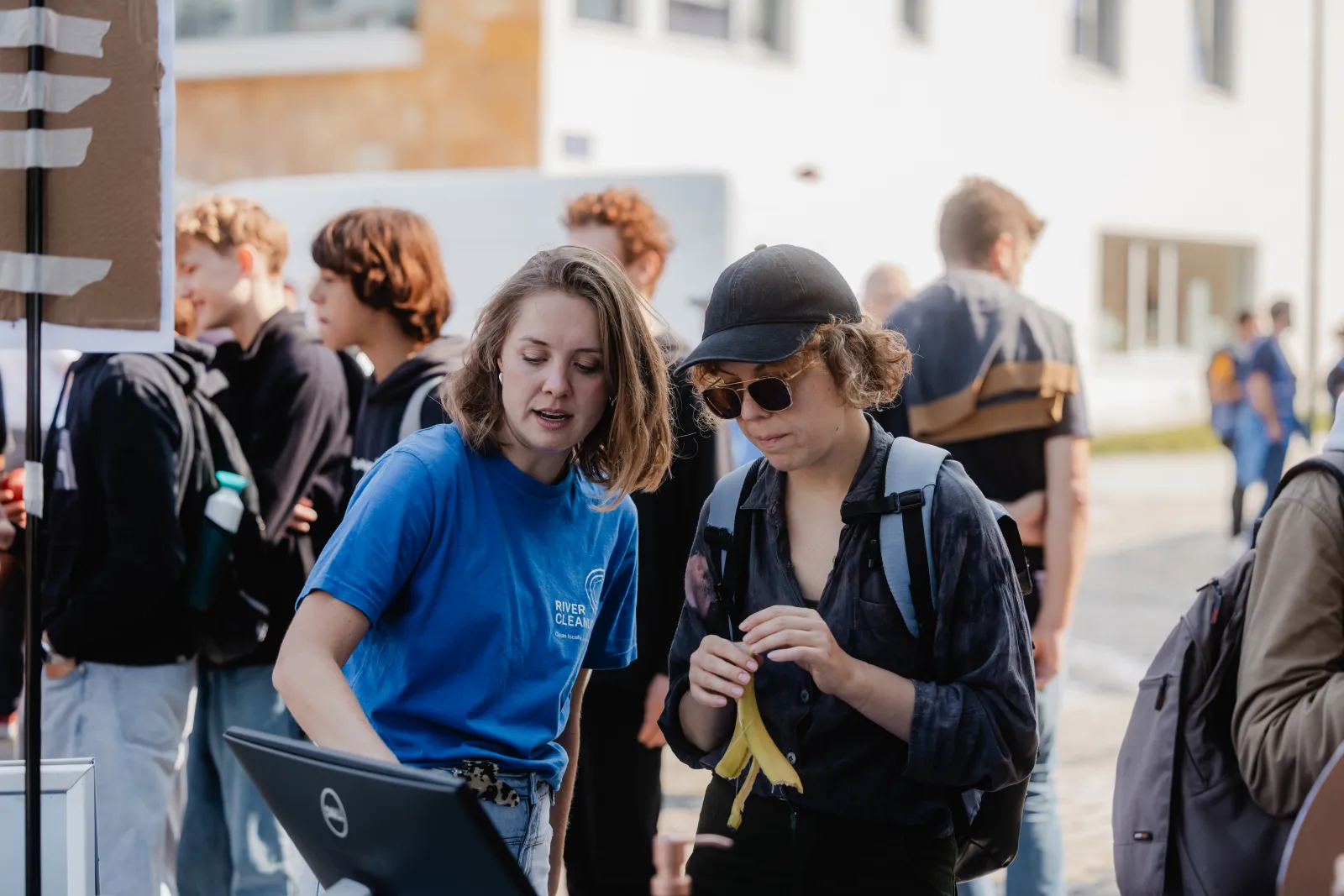
How does the database help reduce plastic use?
The database is a free platform offering around 200 solutions for single-use plastic. Businesses can find practical tips on sustainable solutions, such as using concentrated cleaning products or reusable packaging. Examples include reusable pallet covers as an alternative to stretch film, cleaning tablets mixed with water, or a water dispenser instead of individual drinks bottles. The focus is on a range of sectors, including offices, cleaning, the automotive industry and events.
Individuals can also discover ways to reduce their everyday use of single-use plastic. For example, they can wash their clothes with strips instead of plastic bottles of detergent, choose products that are not individually wrapped, use reusable takeaway packaging or refill personal care products.
The database also contains practical downloadable tools, including checklists. Finally, it provides an overview of businesses and organisations offering alternatives.
Nicolas De Schutter, Chairman at Multi Masters Group: “On River Cleanup’s recommendation, we switched to concentrated cleaning products and larger packs. We now also use dosing caps and bulk dispensers. This saves us 1045 kilos of plastic a year. We would like to extend this sustainable approach further in the future.”
Explore the database
Question about this story? Ask your question
Keep following this
Get an email when a new story is published. No account needed.
- ThemeMaking plastics and packaging circular
- SubjectWaste streams