












Metaalrecycling Federatie director Hans Koning: ‘Metal recycling should not fall under waste legislation’
Metaalrecycling Federatie (MRF) is the trade association for metal recycling companies in the Netherlands. Around 120 companies are members, and together they collect nearly 3.5 million tonnes of ferrous and non-ferrous metals, which they then process, sort, clean and trade with smelters and foundries at home and abroad. Hans Koning is the Federation’s director. He would like high-quality recycling streams to no longer fall under waste legislation. “And as far as I’m concerned, the mobile hazardous waste collection service should make a comeback.”
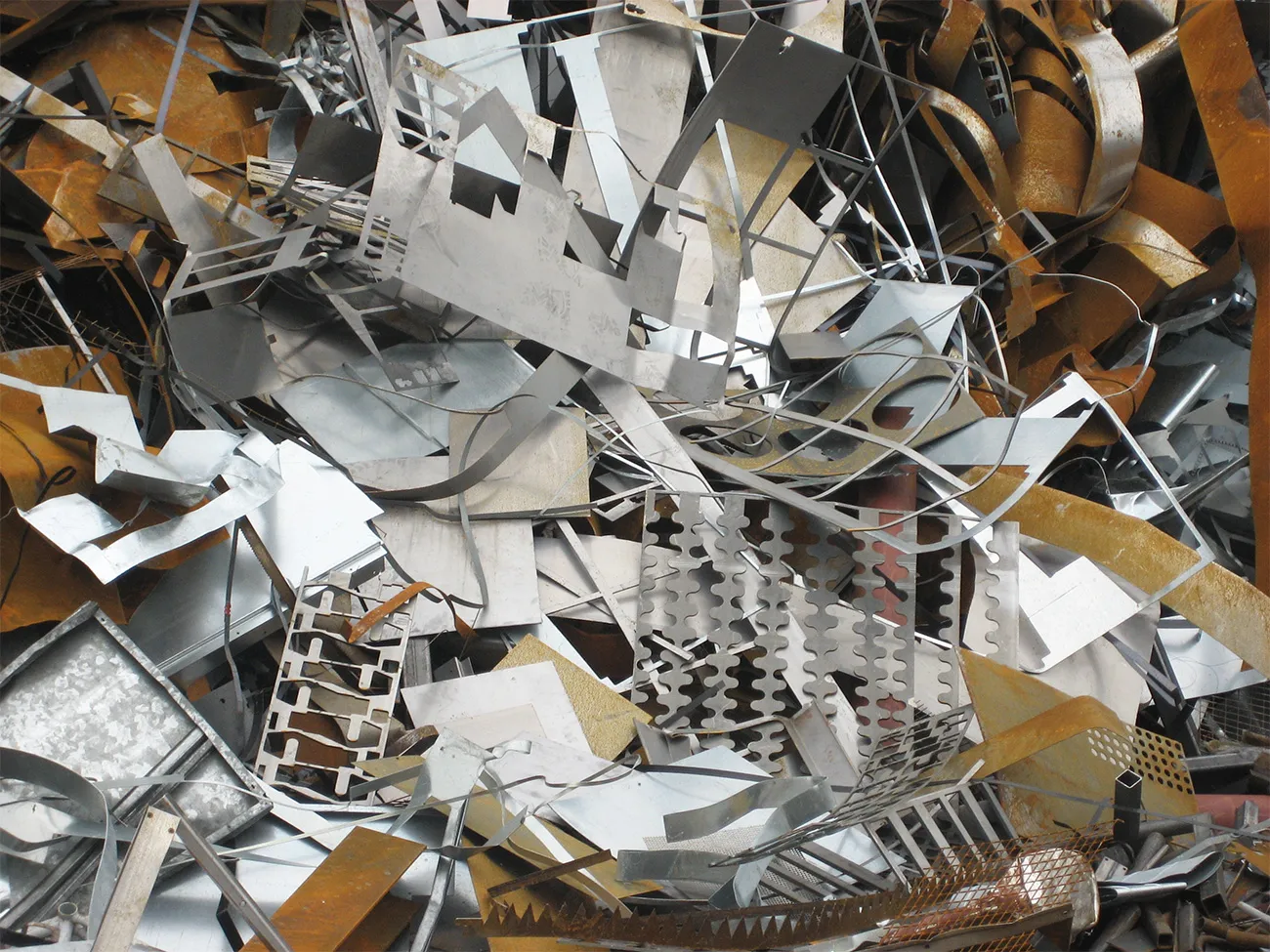
“High-quality recycling streams such as metal contribute positively to the circular economy and generate revenue. Yet ferrous and non-ferrous scrap still fall under the definition of waste dating from the 1970s,” says Koning. “This places significant constraints on the free trade of the materials we process. We are subject to waste legislation and regulations. At their core, these are designed to prevent waste from simply ending up in the environment. But that clearly does not apply to metals, given their high value. They are worth money and serve as a raw material for new products. You don’t throw them away. MRF is therefore working to ensure that metals are no longer regarded as waste, but as an important and valuable secondary raw material.”
Competitive position
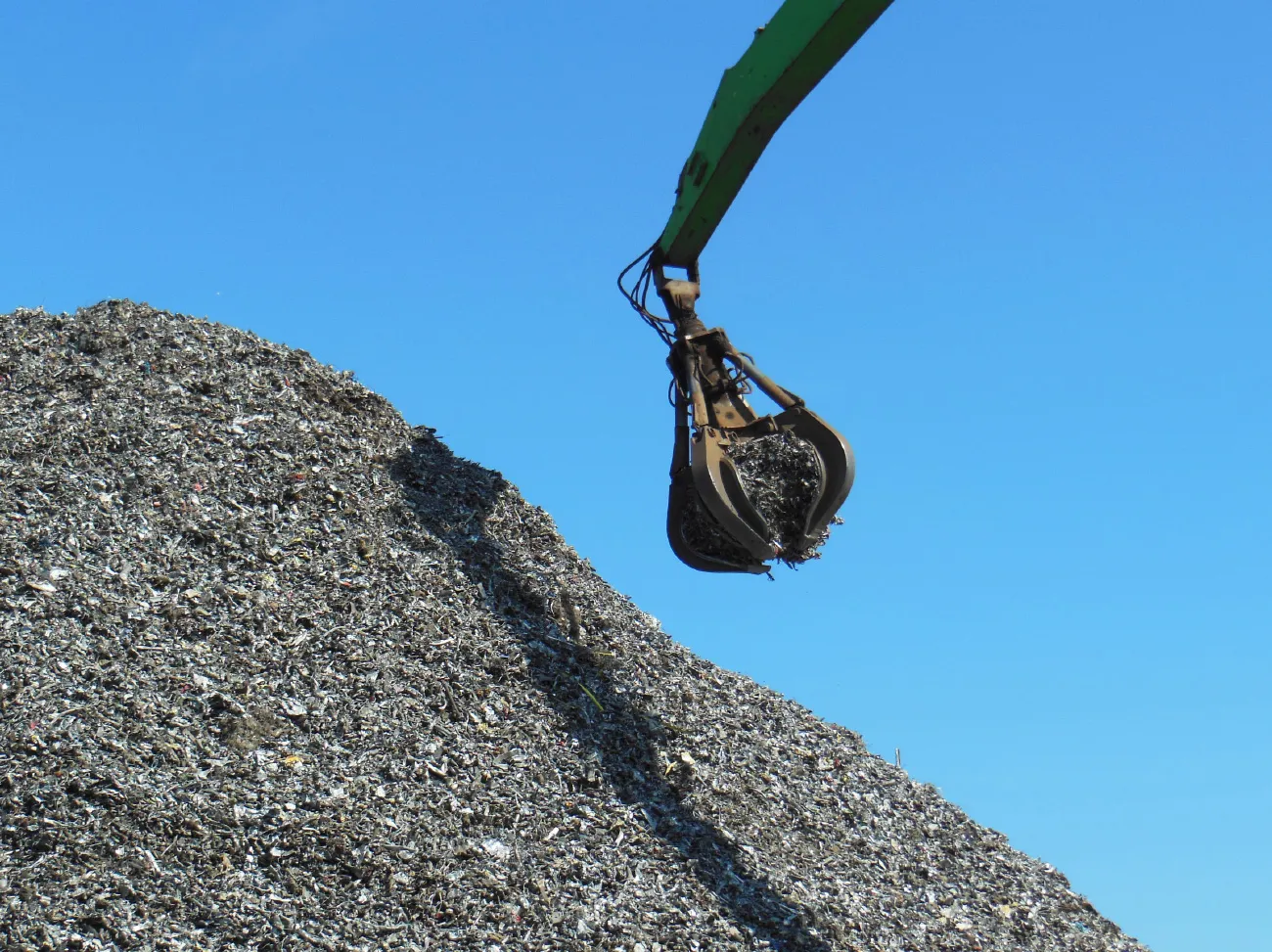
Koning is referring, for example, to the so-called European Waste Shipment Regulation (EWSR) and the new rules being developed by the European Commission. “The European Commission wants to restrict exports not only of waste, but also of high-quality recycling streams to destinations outside the EU. When you consider that the Netherlands collects three times as much metal as Dutch smelters and foundries can use, you can see that our members depend on international trade, and that these rules will have a negative impact on their competitive position and ultimately on recycling itself.”
Yet metal recyclers in the Netherlands are doing such a good job, says Koning. “Together, we collect 3.5 million tonnes of metal. CE Delft calculated that collecting Dutch scrap reduces global CO2 emissions by 13,900 kilotonnes, because less ore needs to be mined. That is roughly half the emissions from all passenger cars in the Netherlands in a year. We deserve some recognition for that. And if we really want to be fully circular by 2050, we need to support metal recycling companies and their activities, not hinder them.”
Lithium-ion
Another pressing issue for the MRF director is lithium-ion batteries. These batteries, now used in almost all household appliances, smartphones, laptops and electric cars, are increasingly ending up in (metal) waste. As a result, waste management companies and metal recyclers are having to deal with more and more fires, causing disruption for local residents, dangerous situations and even making recycling companies uninsurable. “And we won’t be rid of these batteries any time soon,” says Koning. “In fact, lithium-ion battery use is expected to increase by a factor of 14 in the coming period. That will cause enormous problems if we do nothing now.”
Koning hopes consumers will be made much more aware than they are now that lithium-ion batteries, and products containing them, must be collected separately. “Sometimes I find myself longing for the mobile hazardous waste collection service that used to come to our street,” he says. “People need to be made more aware of how dangerous these batteries are. Perhaps we could also give them a distinctive fluorescent colour so they can be identified more quickly. A deposit-return system should also be open for discussion, as far as I’m concerned. Because, once again, if we really want a circular economy by 2050, we also need to tackle e-waste at source.”
Question about this story? Ask your question
Keep following this
Get an email when a new story is published. No account needed.
- ThemeRecovering metals and creating value
- SubjectWaste streams







