Far fewer small plastic bottles in litter
Text Roel van GilsImage Statiegeld Nederland
The Netherlands has made significant progress in reducing litter, according to the latest six-monthly Litter Monitor from the Ministry of Infrastructure and Water Management. The report tracks trends and developments in the amount of drink packaging found as litter. The results show that efforts by the government, businesses and the public are starting to pay off.
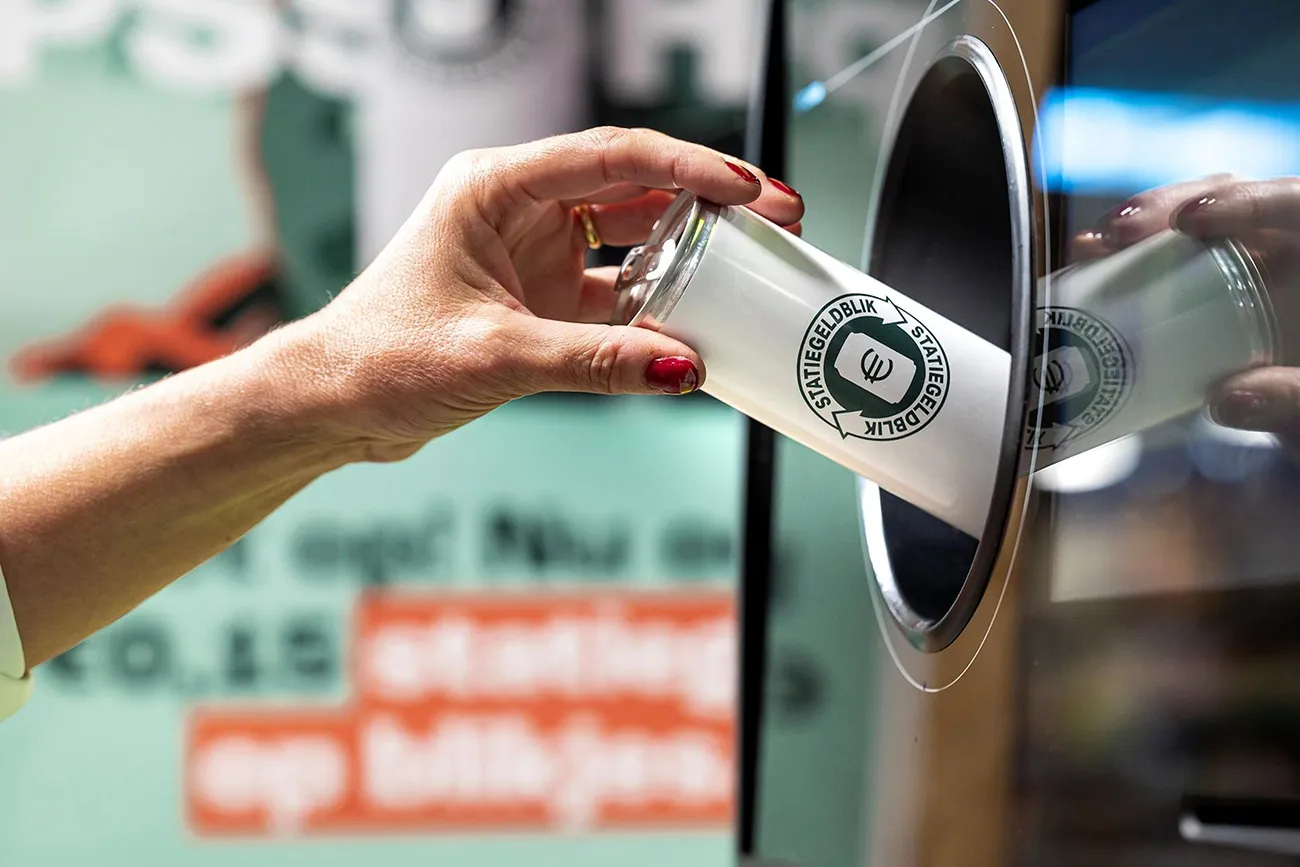
One of the most striking findings is that the sharp decline in small plastic bottles found as litter is continuing. Since deposits were introduced on small plastic bottles on 1 July 2021, the number recorded has fallen by as much as 51% compared with 2020. The deposit-return system has therefore made an important contribution to reducing plastic pollution in the Netherlands. Large plastic bottles are also less common as litter, down 33% compared with 2020. In addition, the number of drinks cartons has fallen by 55% since the 2016/2017 baseline measurement. The decline has been steady in recent years.
Deposit-return system
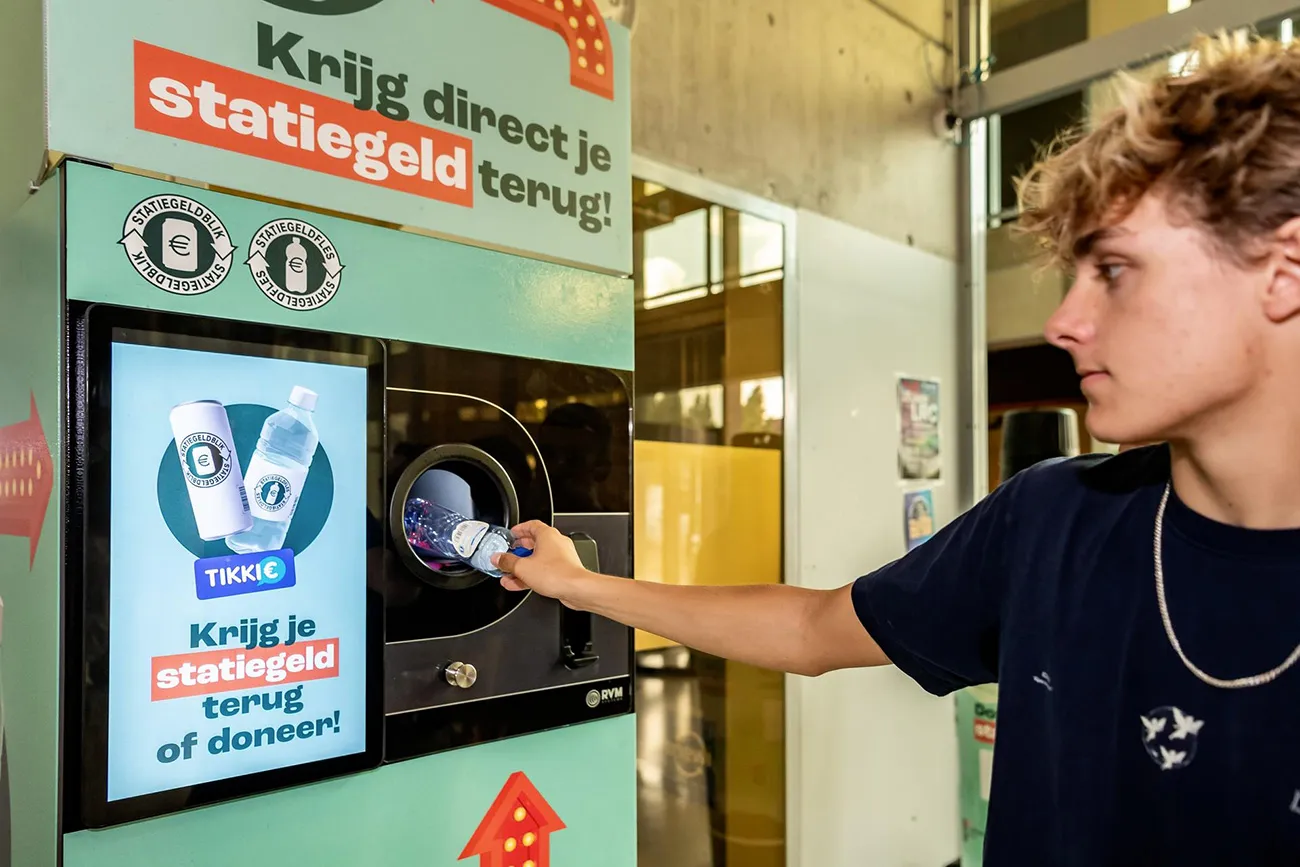
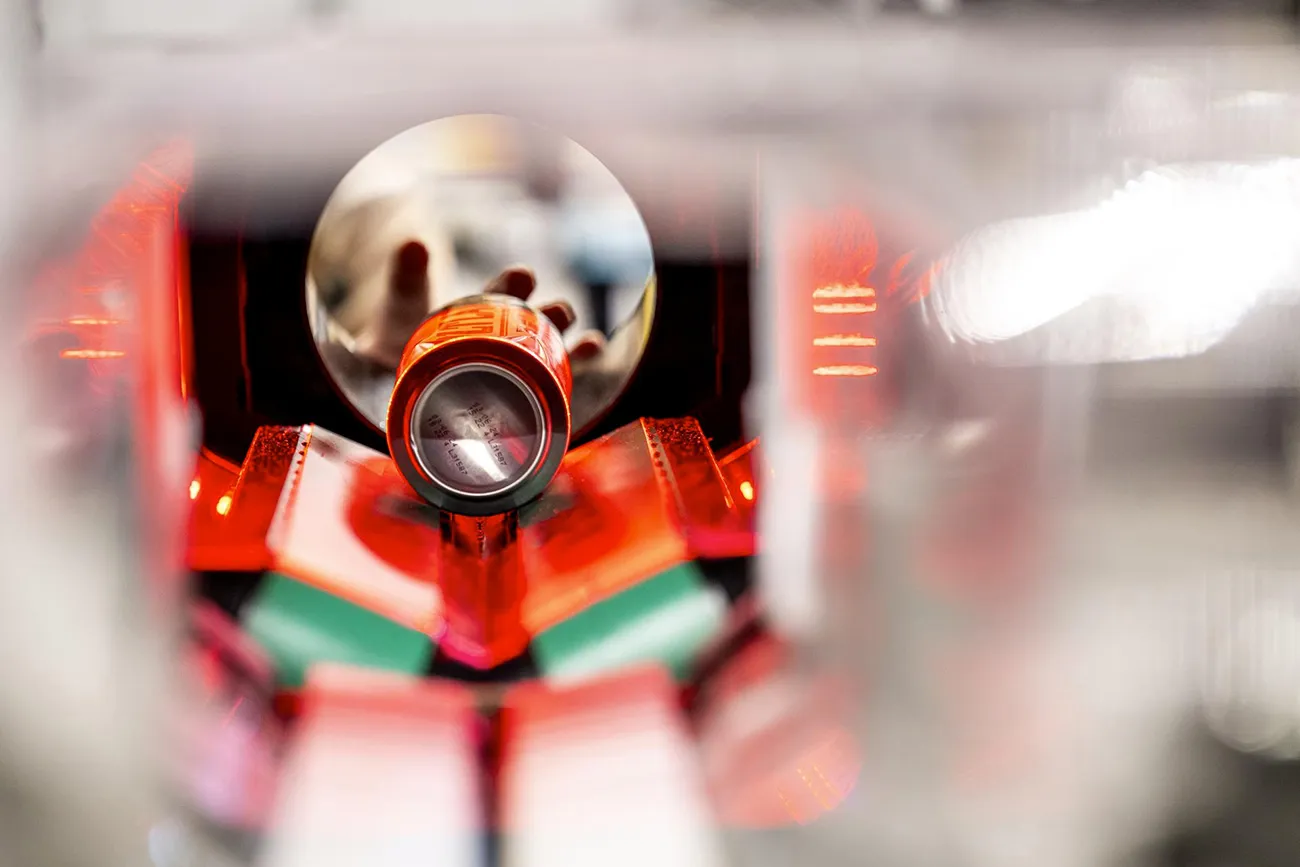
The deposit-return system for cans came into operation in the Netherlands on 1 April 2023. Its impact is not expected to become apparent in monitoring until 2023, particularly in the second half of the year. In 2022, many cans were still found outdoors. In fact, the number increased by 17% compared with the previous year, 2021. That is why, since 1 April, a 15-cent deposit has been charged on all metal drinks containers with a capacity of 3 litres or less, just as it is for small plastic bottles. The introduction of deposits on cans is expected to prevent 120 million cans from ending up in the natural environment each year. By way of illustration, more than 600 million large plastic bottles, 900 million small plastic bottles and over 2.5 billion cans are placed on the Dutch market each year. Statiegeld Nederland is responsible for the deposit-return system for plastic bottles and cans, and aims to increase the use of recycled material and reduce litter in the natural environment. Its goal is to collect 90% of products covered by the deposit system and thereby help make the Netherlands cleaner.
Vivianne Heijnen, State Secretary for Infrastructure and Water Management: “I’m pleased to see that we are making progress in the fight against litter. The figures in the latest six-monthly Litter Monitor show a sharp decline in plastic bottles and drinks cartons. The deposit system for small plastic bottles is clearly paying off, which is great to see! Deposits have now also been introduced on cans, and I expect this will also lead to less litter in our surroundings. As far as I’m concerned, the same applies to litter as to many things in life: prevention is better than cure, or in this case, cleaning up!”
To provide a more complete picture, the Litter Monitor draws not only on data from Rijkswaterstaat but also on information from other sources, including the well-known Zwerfinator. Although the methods used differ, the Zwerfinator’s data generally corroborate the findings of the Litter Monitor.
Question about this story? Ask your question
Keep following this
Get an email when a new story is published. No account needed.
- ThemeMaking plastics and packaging circular
- SubjectWaste streams