












Double environmental gains through sustainable waterproofing
Text Els GoethalsImage Derbigum
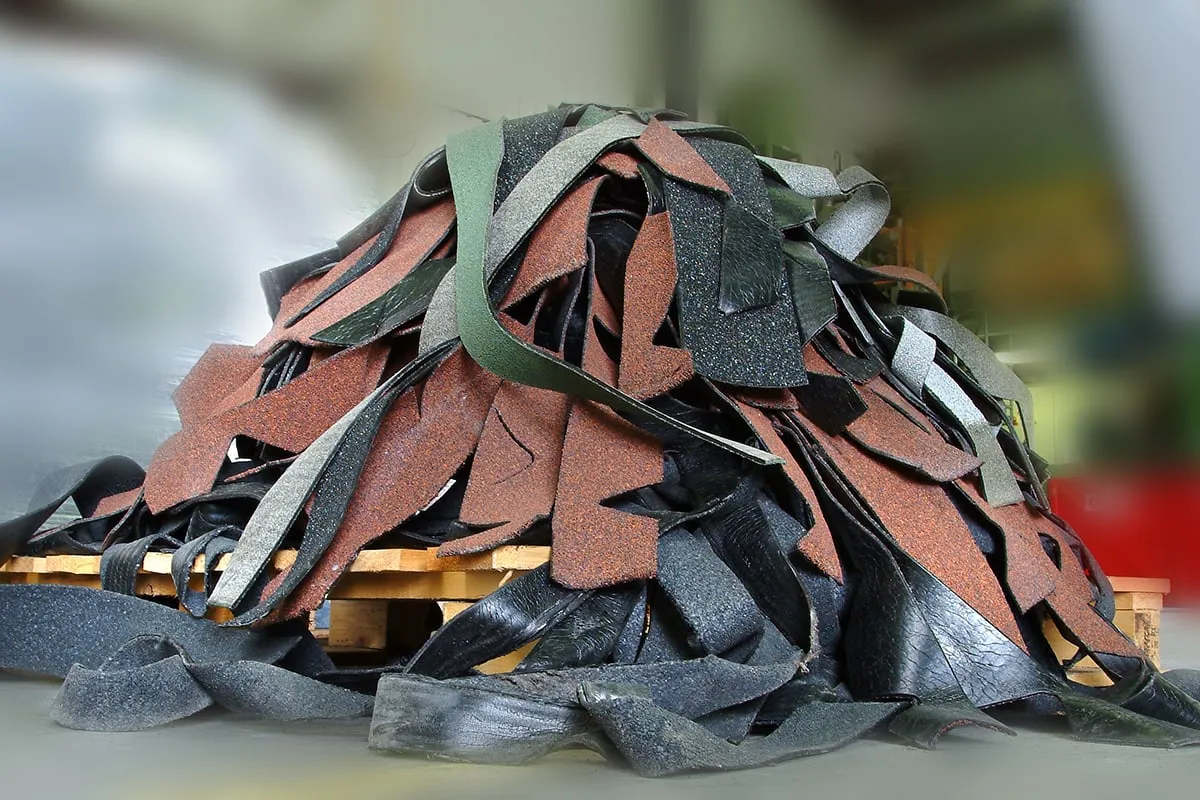
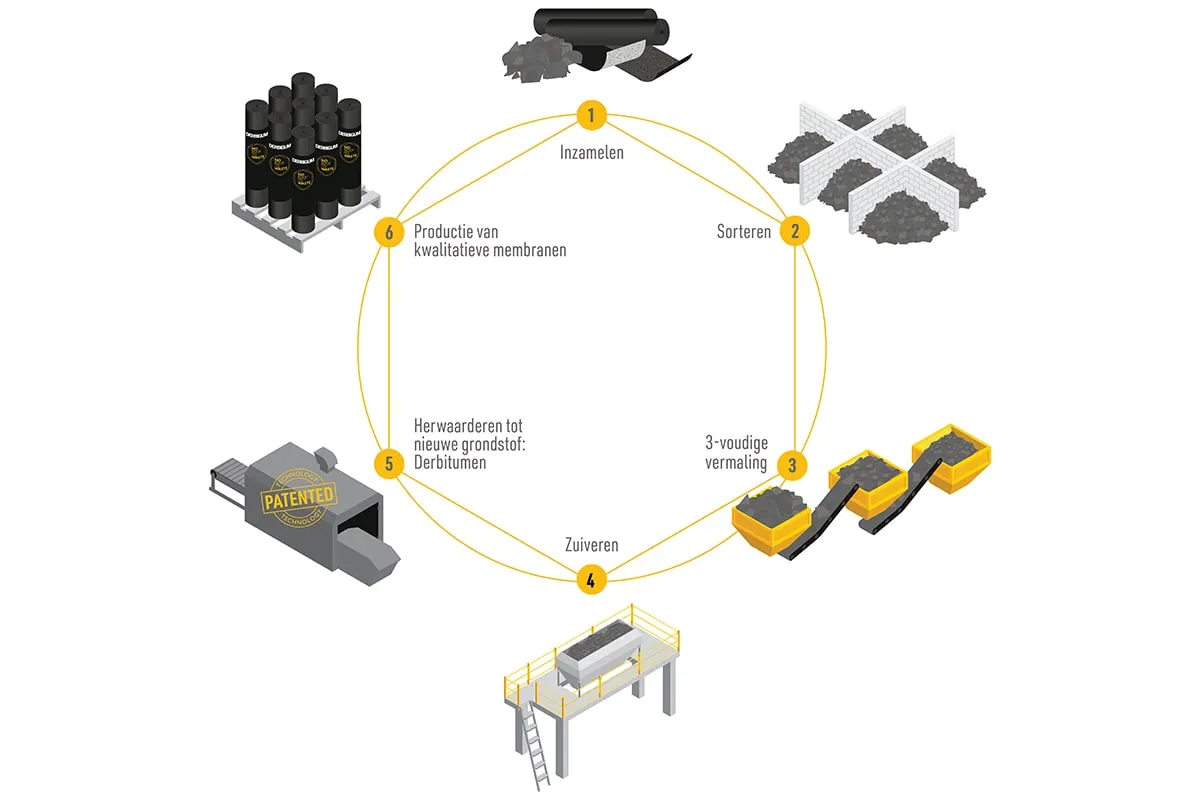
When you think of Derbigum, you think of sustainable roofing solutions. The two are inextricably linked. As pioneers and visionaries in the sector, sustainability is at the heart of the company’s identity. For 35 years, Derbigum has been investing in innovative recycling processes that use old membranes to manufacture new roofing sheets. And with great success!
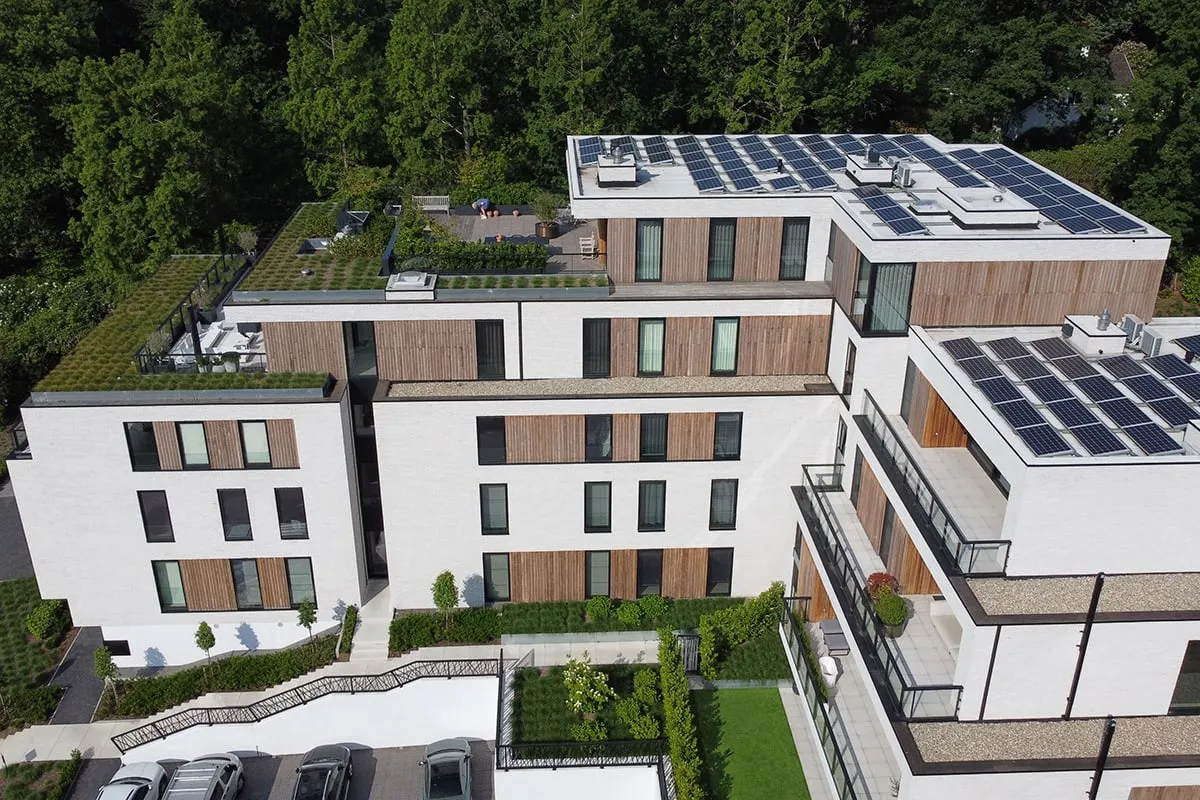
Bituminous roofing, also known as roofing felt, is the most common method for making flat roofs 100% watertight. Belgian manufacturer Derbigum, part of the Kingspan group since 2022, has been making high-quality roofing membranes for every conceivable building application for 90 years. From private homes and businesses to public buildings. Suitable for flat roofs, green roofs and car park roofs, rooftop terraces, roofs with solar panels …
32 years of experience speaking
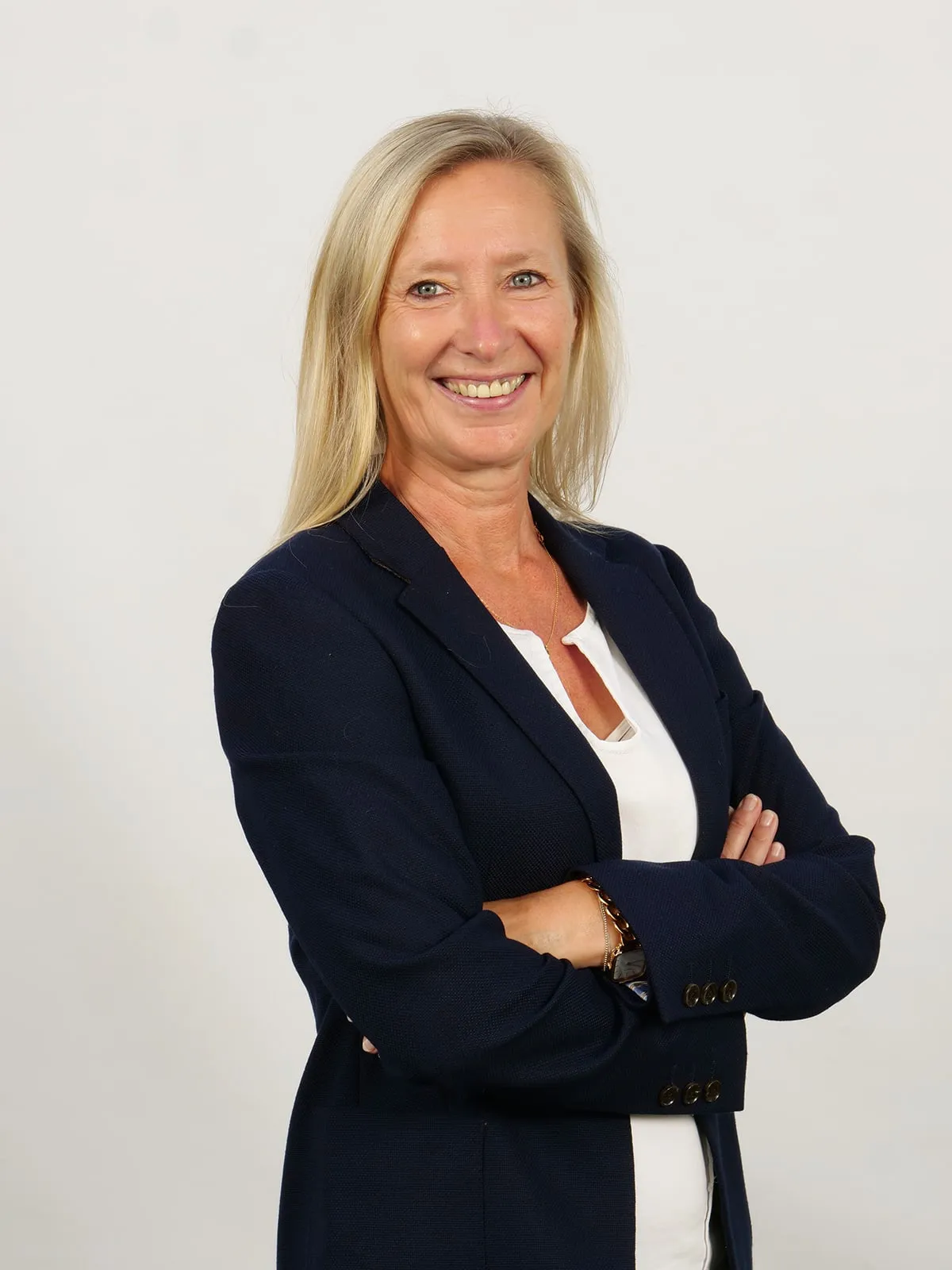
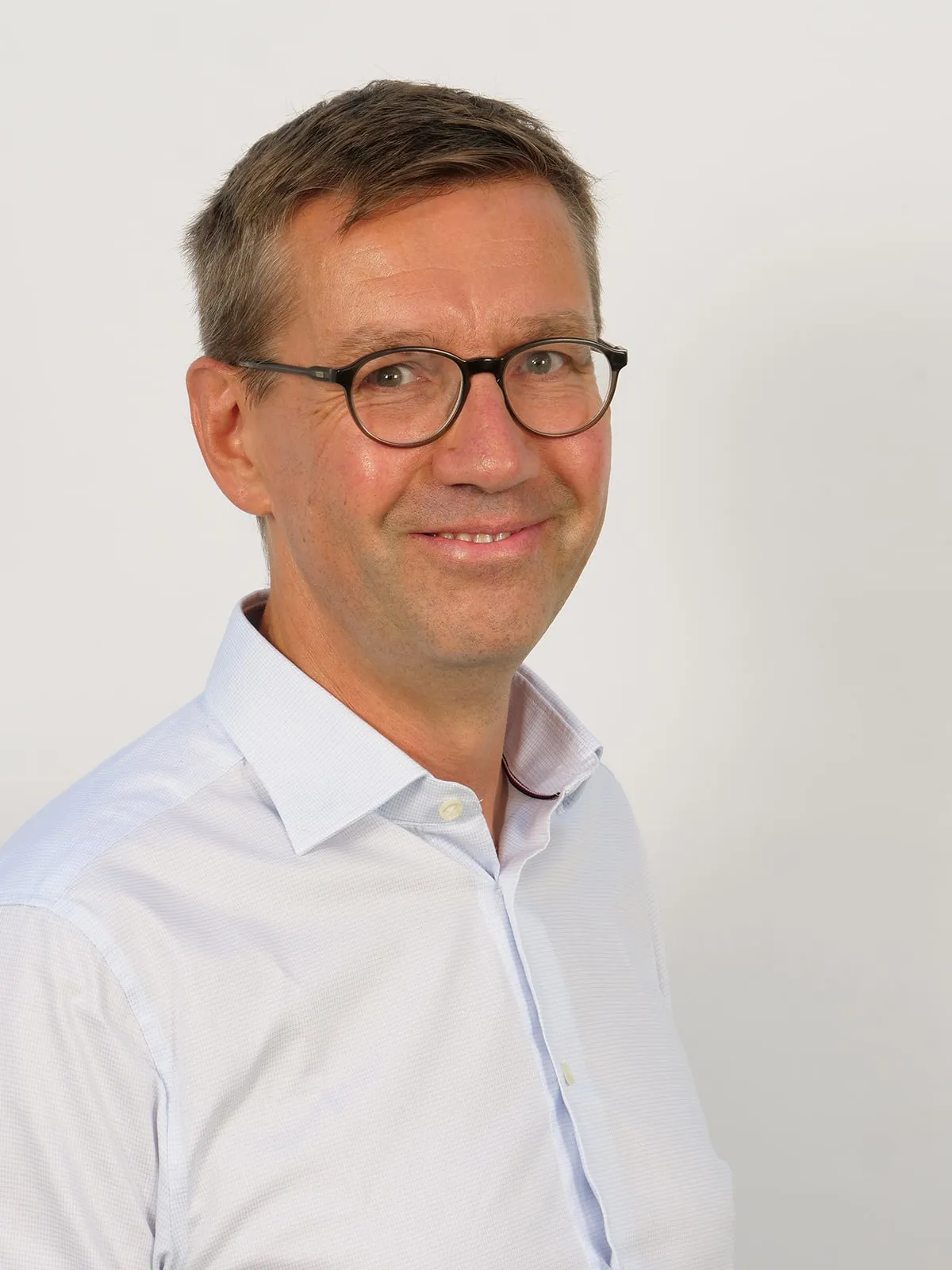
We speak to two leading figures at Derbigum: Els Trio, Marketing Manager, and Stefaan Valette, Business Development Director. With 26 years at the company, Trio was involved in its environmentally conscious strategy from the very beginning. “With founder Francis Blake at the helm, we were the first company to develop an innovative recycling process that turned old roofing membranes into new ones. What was viewed with some scepticism at the time has proved visionary today,” Trio begins. “The first step was to set up a take-back system for offcuts through distributors, which we continue to make easier to use.” Valette joined the company in 2018: “In recent years, we have taken further major steps, including investing in a third recycling line in 2019, which increased recycling capacity to 5,000 tonnes a year. This was followed by the launch of the ‘No Roof To Waste’ campaign, which perfectly reflects our vision of sustainability. Sustainability is at the heart of Derbigum, it is in our DNA.”
Two strong pillars reduce the environmental footprint
“Alongside circularity, the impressive service life is a second pillar of Derbigum’s environmental commitment,” says Trio. “Derbigum roofing sheets last at least 50 years, and even longer if a new top layer is applied.” Valette adds: “The large-scale extraction of fossil fuels is synonymous with systematically plundering our planet. Burning primary fossil fuels also releases CO2. By addressing both issues, Derbigum delivers double environmental gains.”
Environmental awareness is growing by the day
“Climate neutrality by 2050 is an important part of the European Green Deal. As a result, we are seeing environmental awareness gradually increase among the other links in the chain,” says Trio. EPDs and LCAs are another important factor in building trust. An EPD (Environmental Product Declaration) provides information on the environmental impact of a specific building material, based on a scientifically robust life cycle assessment and verified by an independent expert. “We can now also demonstrate that the Derbigum NT membrane has the lowest environmental impact,” Valette adds. “Thanks to our knowledge and experience, we are leaders in environmental commitment and innovation,” says Trio. “We hope the construction sector will increasingly follow our example by choosing innovative, environmentally friendly products that are every bit as good as ‘traditional’ materials in terms of quality.” However, progress is not always straightforward. Valette says: “Recycling technologies come with high costs and very complex administration. The fact that regulations differ from country to country, and even from region to region, makes things no easier. Nevertheless, we remain committed to moving towards a fossil-free industry.”
Question about this story? Ask your question
Keep following this
Get an email when a new story is published. No account needed.
- SubjectWaste streams







