Danish innovation in the polder
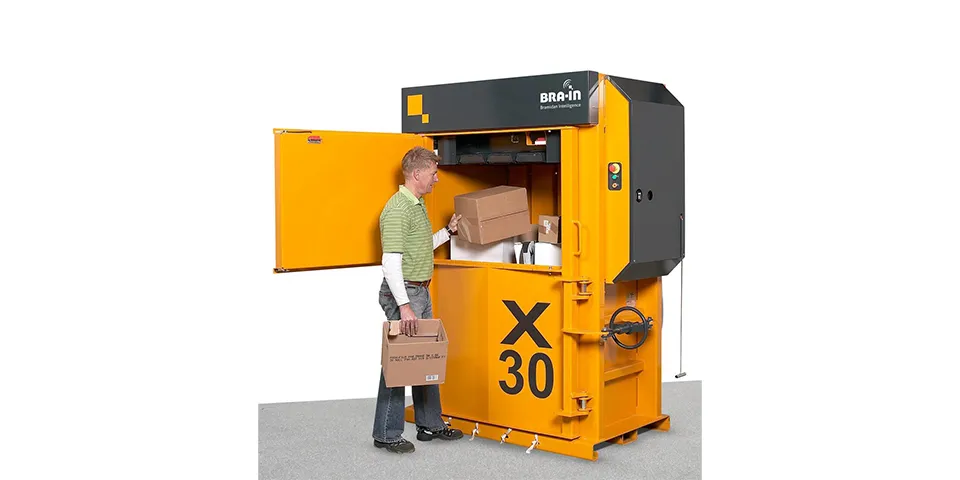
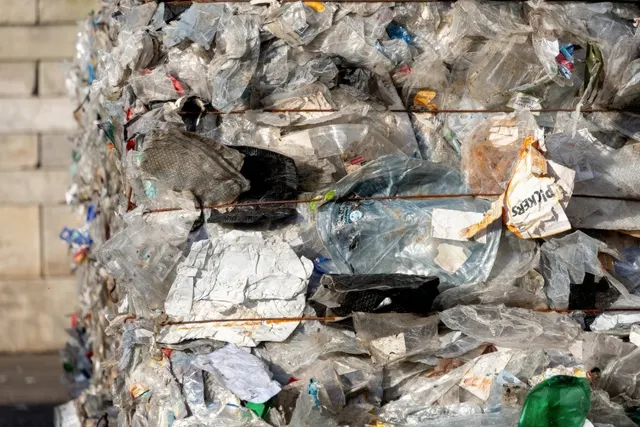
More than 5,000 yellow machines from Danish brand Bramidan are already in use in the Netherlands alone. They include balers, compactors and specialist waste compactors for EPS and XPS.
What sets Bramidan apart from its competitors is its in-house BRA-IN monitoring system, its ongoing innovation and its excellent service and support, says Mark Hamilton, Managing Director of the Dutch subsidiary.
“Our customers are essentially all businesses that produce waste,” says Hamilton. “From the small local convenience store to the large national chains. Waste collectors also use our compactor containers. Our machines are available to buy, but you can lease them too.”
Hamilton says these customers increasingly need up-to-date information. “That is why we introduced the BRA-IN monitoring system a few years ago. It allows us to read information from our machines online and remotely. For example, customers receive an alert when a compactor is nearly full, when a fault occurs or when maintenance is due. Large companies in particular need to record and streamline their waste flows. Containers are only emptied when they are actually full, which avoids unnecessary journeys. This helps businesses work more efficiently.”
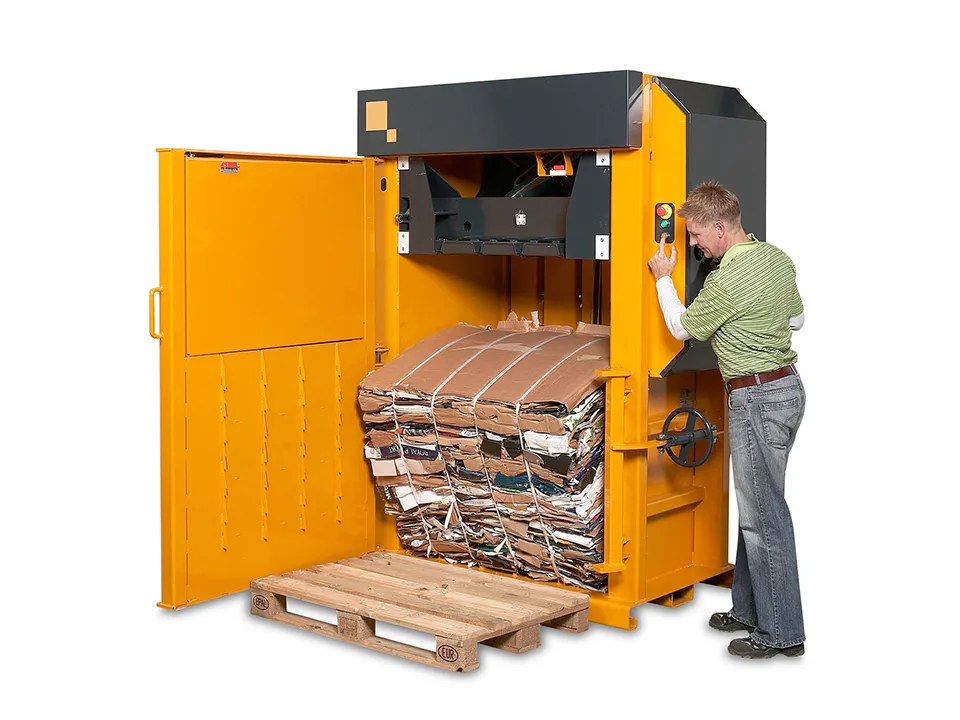
Another advantage of the BRA-IN monitoring system is that it can also read the compactor’s energy requirements. Hamilton says: “When a compactor container or baler is less full, it needs less force and therefore less energy. Our in-house software adjusts the power requirements precisely. This can cut energy consumption by as much as 20%. Alongside the real-time information our customers ask for, many of them are also focused on saving energy. We help them make waste processing more efficient and less costly.”
Hamilton says this also demonstrates Bramidan’s capacity for innovation. “We are constantly working to improve our machines. The powder-coating line installed at our Danish factory last year is another example. All our machines are now powder-coated by robots rather than painted by hand. This not only produces a much tougher finish, but also allows us to manufacture more quickly, use far less water and make the process much more environmentally friendly.”
Question about this story? Ask your question
Keep following this
Get an email when a new story is published. No account needed.
- SubjectWaste streams