Big on size reduction
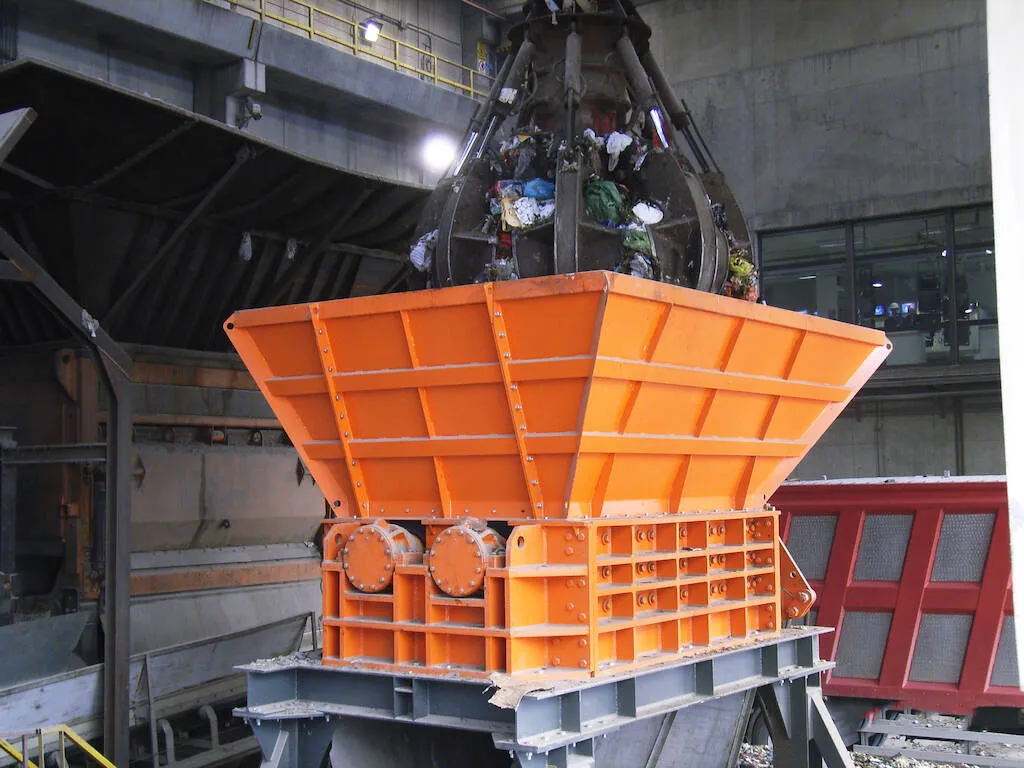
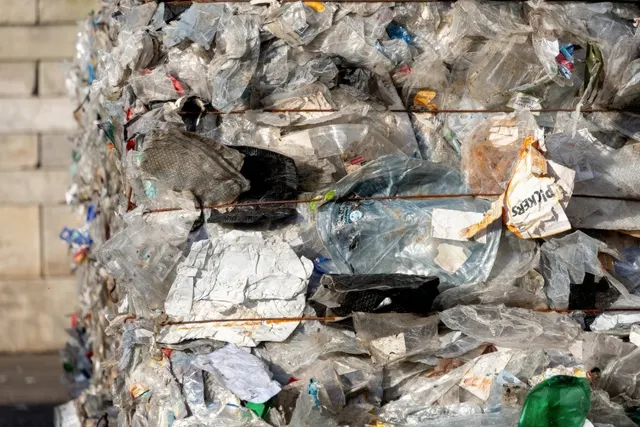
Worldwide, we are still sitting on a mountain of waste. The first step towards a better world is …
And that just happens to be the speciality of De Jong Afvalbewerkingssystemen. The company, based in Hengelo, is big on size reduction, with its specialised shredders and screw presses from Satrindtech and Heger respectively. These machines stand out for their versatility and reliable operation.
The story of De Jong began back in the 1970s with machinery for meat processing. However, the decline of the retail sector prompted the company to explore new horizons. “We first moved into weighing technology, which is still a separate business division today. We cover the entire spectrum, from laboratory balances that need to work with extreme precision to weighbridges for measuring large loads,” says managing director André de Jong. This brought the company into increasing contact with manufacturers using weighing systems for filling or repackaging. “Customers naturally started asking whether we could also help them reduce the volume of material from production or packaging.” De Jong Afvalbewerkingssystemen was born.
Versatility and reliability come first It was 1997, and environmental technology was becoming increasingly prominent. This trend has continued ever since, giving De Jong Afvalbewerkingssystemen a tailwind. “We gradually built up our portfolio around three pillars: shredders, screw presses and balers, although the last of these are somewhat less relevant to the recycling industry,” De Jong adds. “Versatility and reliable operation have always been our top priorities when choosing suppliers. As a family business, we attach great importance to personal relationships. We want to be able to recommend a machine that is genuinely suited to each customer’s needs. Although these are standard machines, their versatility and our ‘out of the box’ approach allow us to work with customers to find the best fit. This can sometimes lead to surprising solutions, with machines traditionally used for other waste streams bringing added value to a particular customer. And of course, our involvement does not end once a machine has been purchased. We provide nationwide service from three locations, covering installation, maintenance and breakdowns.

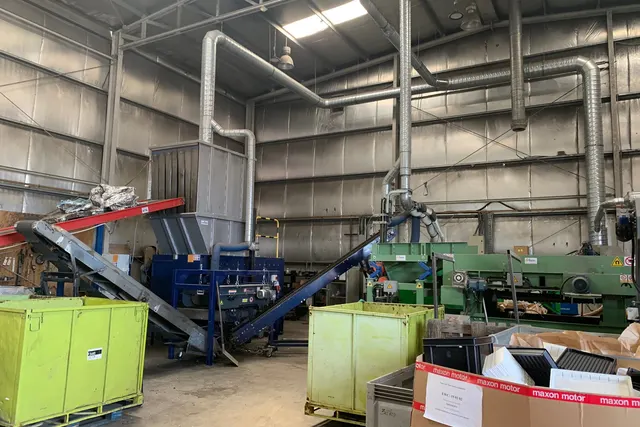
Satrindtech shredders Satrindtech’s shredders are a good example of this versatility. They are available with one to four shafts or blades, making Satrindtech one of the few manufacturers able to offer the full range. “More shafts or blades mean more cutting actions and therefore greater shredding capacity. This is particularly useful when the material also needs to be screened while maintaining a high processing speed. The range runs from high-speed machines to slow-speed models for tougher waste streams that require more power. We always look at the product and the required quality to determine how best to help the customer,” De Jong explains. Satrindtech shredders can process a wide range of materials, including plastics, wood, WEEE, textiles and cardboard. The manufacturer also offers special versions for foams, from stand-alone machines to fully automated silo systems, as well as for data destruction and the marine sector.
Heger screw presses
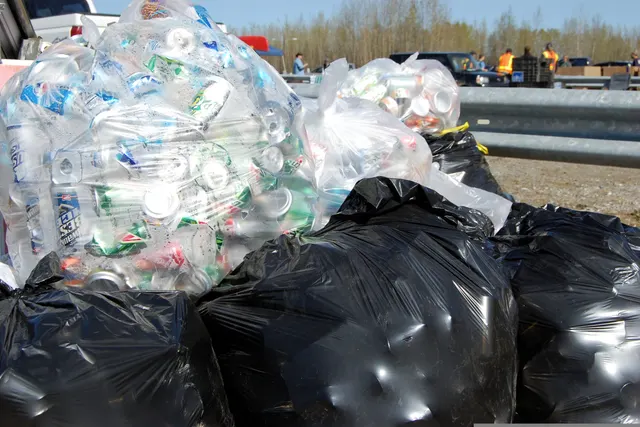
Heger’s screw presses are also well worth a look. “The screw’s rotating motion pushes the material through the pressing channel under constant pressure. This combination makes Heger screw presses an excellent solution for EPS and highly expandable foams. The screw presses all share the same basic design: motor, drive and screw. Their configuration, however, depends on the volume and material to be processed. So you can choose a model that is specifically tailored to your application,” De Jong says. Heger’s range also includes screw presses for dewatering packaging. “Think of carton packs or cans. Heger screw presses can separate the packaging from the liquids and compact it in one operation. Two birds with one stone. The range also includes screw presses for drying reject streams or PE film. Dewatering can bring significant savings for customers: the drier the product, the lower its weight and the lower the waste disposal costs,” De Jong concludes.
Question about this story? Ask your question
Keep following this
Get an email when a new story is published. No account needed.
- SubjectWaste streams