Batteries in household waste cause 700 fires every year
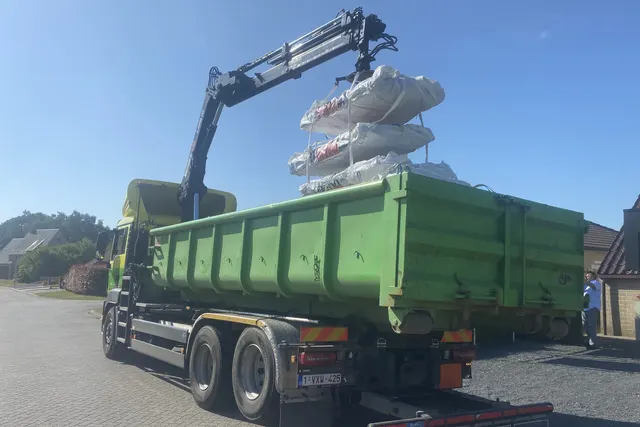
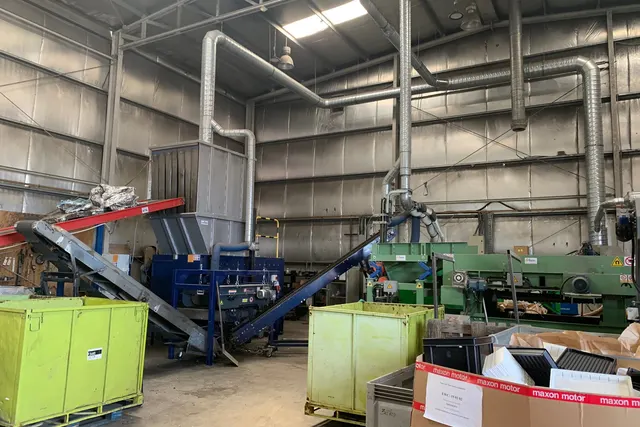
Until now, there have been very few figures on waste fires caused by lithium-ion batteries. A recent BBC News report has revealed that there are around 700 such incidents every year in the UK, in refuse lorries and waste treatment facilities. We are pleased to share the article’s findings with you.
Fire figures for the UK
Lithium-ion batteries can explode when damaged. This leads to hundreds of waste fires every year. According to the UK Environment Services Association, the resulting fires cost waste operators around £158 million a year. The non-profit organisation Material Focus has therefore developed an online search tool to help consumers find their nearest recycling point and dispose of their lithium-ion batteries correctly.
Batteries everywhere
Lithium-ion batteries have become an integral part of our lives. They are found in rechargeable devices such as toothbrushes, toys, phones and laptops … Even birthday cards that play greetings use them. What is more, they are becoming more powerful, and it is not always clear which devices contain them. Ben Johnson of the Environmental Services Association told BBC News that “more and more people are throwing battery-powered devices into household waste or mixing them with other recycling streams. This creates problems because they are liable to explode or catch fire when damaged. And when they end up in household waste, they are very likely to be crushed, compacted, broken or wet. This can result in short circuits. They are then right next to other flammable materials such as plastic, paper and cardboard, which can lead to major fires.”
Lithium-ion batteries
The most common type of lithium-ion battery used in consumer electronics consists of two electrodes separated by a separator, which allows charged particles (lithium ions) to move through a solvent between them. Charging the batteries pushes the ions back to where they came from. As long as the battery remains intact, this is usually a safe state. But when the electrodes come into direct contact, the charged particles can suddenly discharge in an explosion, and chemicals in the battery can cause a fire if they are flammable. Mark Andrews, who is responsible for waste fires at the National Fire Chiefs Council, says the problem is growing as people use and discard more electronic devices. “We urge people to recycle electrical devices and batteries rather than simply putting them in household waste. These fires are challenging for fire services, have a significant impact on local communities and put waste transport and processing staff at risk. Everyone can do their bit to prevent fires by recycling them correctly.”
Take them to a local recycling centre
Laura Fischer of waste operator FCC Environment adds: “The best thing people can do is take batteries to their local recycling centre or a large supermarket. Most have the right battery bins.” Fire safety and electronic waste experts are calling for clear rules on the safe disposal of batteries, including how best to recycle them. The government will consider this issue in 2023.
Based on an article by Victoria Gill and Kate Stephens published on BBC News.
Question about this story? Ask your question
Keep following this
Get an email when a new story is published. No account needed.
- ThemeCircular processing of electronics and batteries
- SubjectWaste streams