Air filtration specialist gains ground in recycling sector
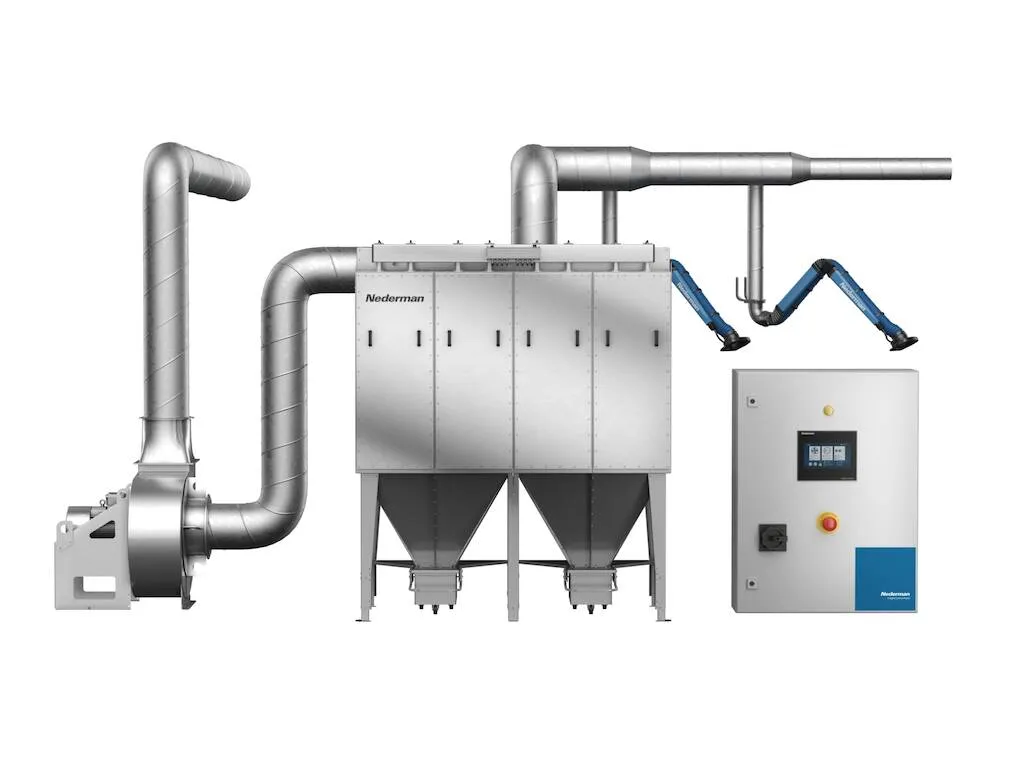
Sweden's Nederman, which specialises in air filtration systems, is selling a growing number of systems to the recycling and waste processing industry. Advancing technology allows ever better monitoring and adjustment of air filtration.
Nederman's filter systems are found in all sectors where dust and fumes are released and workers' health is at risk, or where statutory limits for indoor and outdoor environments are exceeded. Having started seventy years ago as a specialist in welding fume extraction, the company is now active in a wide range of sectors. One of the sectors on the rise is the recycling and waste processing industry. "As we move towards a circular economy, waste processing and recycling are handling ever more materials. This results in smaller streams, for which smaller machines are deployed and more dust can be released," says Jan van Doorn.
Capturing paper dust
Van Doorn is manager solution sales at Nederman Nederland, which employs 25 people, including a number of engineers who design systems tailored to the customer. The engineer's design is then built at one of the company's five European production sites. As a global player with thirty branches worldwide, the Dutch branch can draw on a large network. Recent machines for the recycling and waste processing industry were delivered to a logistics company that recycles its own cardboard packaging. Pressing the cardboard packaging releases paper dust, which poses an explosion risk. Under ATEX legislation, air filtration must therefore be installed.
Recycling batteries
The second case involved a company that recycles batteries. "When batteries are stored, sand is added to prevent them from reacting with each other and releasing harmful substances. Our system is used to capture the dust that is then released when the batteries are tipped onto a conveyor belt," Van Doorn explains. Nederman's systems are suitable for filtering a wide range of dusts, from paper dust to wood dust, sand dust and plastic dust. After the dust has been captured, for example by an extraction unit, the material is drawn through the filters, after which a residual product ends up in a waste bin. The filter cartridges are cleaned pneumatically and have an average service life of 4,000 to 8,000 hours.
Predictive capabilities
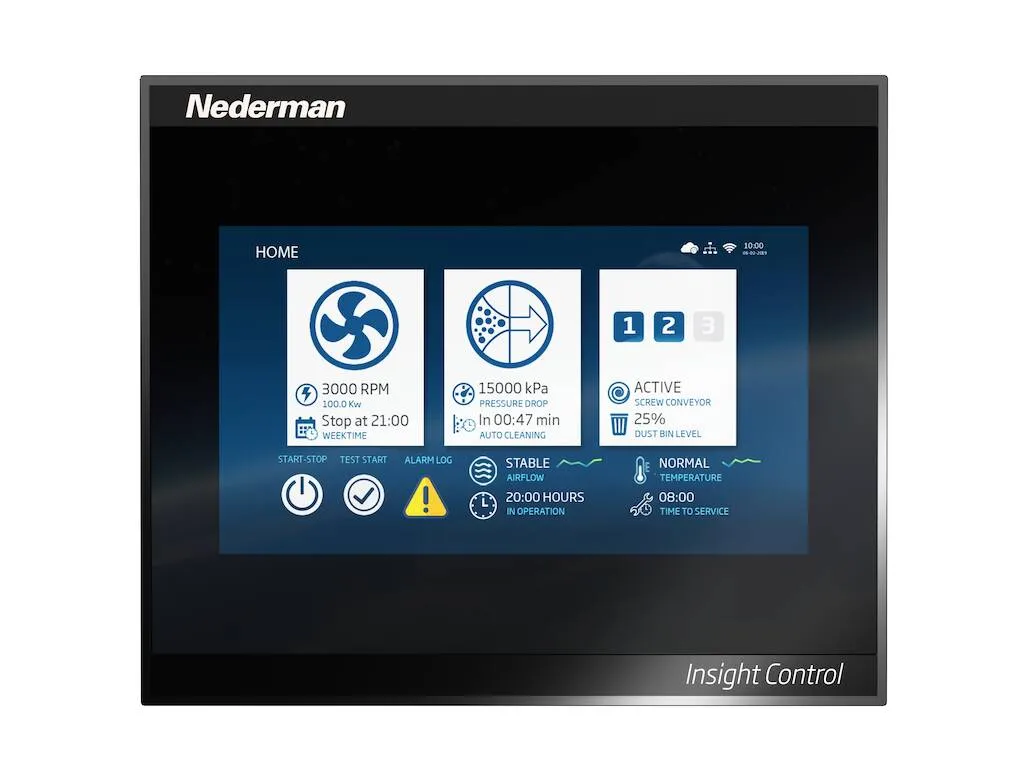
Van Doorn explains that filter systems are being fitted with ever more technology, which further optimises the filtration process. For instance, sensors predict when filters are reaching the end of their life and when the waste bins are full. Other sensors trigger an alarm when maximum extraction capacity is reached. The Nederman Insight platform offers a complete solution for monitoring and analysing the filter systems 24/7.
Question about this story? Ask your question
Companies in this story
Keep following this
Get an email when a new story is published. No account needed.
- SubjectWaste streams
- CompanyNEDERMAN