












Accessibility and inclusion: people with disabilities and young people from Molenbeek test and approve the digital deposit return system
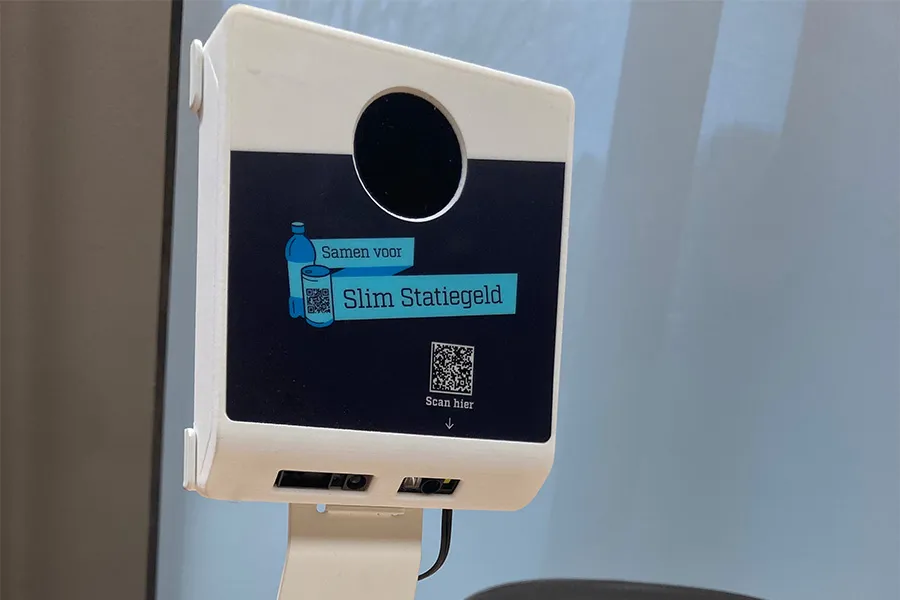
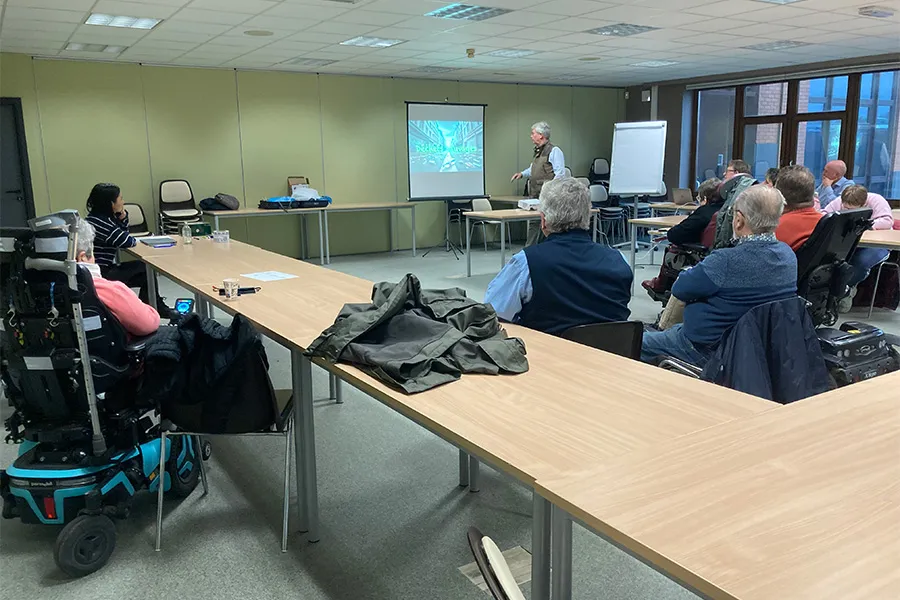
To assess the accessibility and inclusiveness of digital deposits, Samen voor Slim Statiegeld held focus groups with people with disabilities on 13 and 23 November. The sessions were organised in collaboration with Altéo, the French-speaking social movement for people with disabilities and people with long-term illnesses. A focus group with young people from Molenbeek followed on 25 November, in collaboration with ToekomstAtelier de l’Avenir, a learning network dedicated to the empowerment and integration of socially vulnerable teenagers.
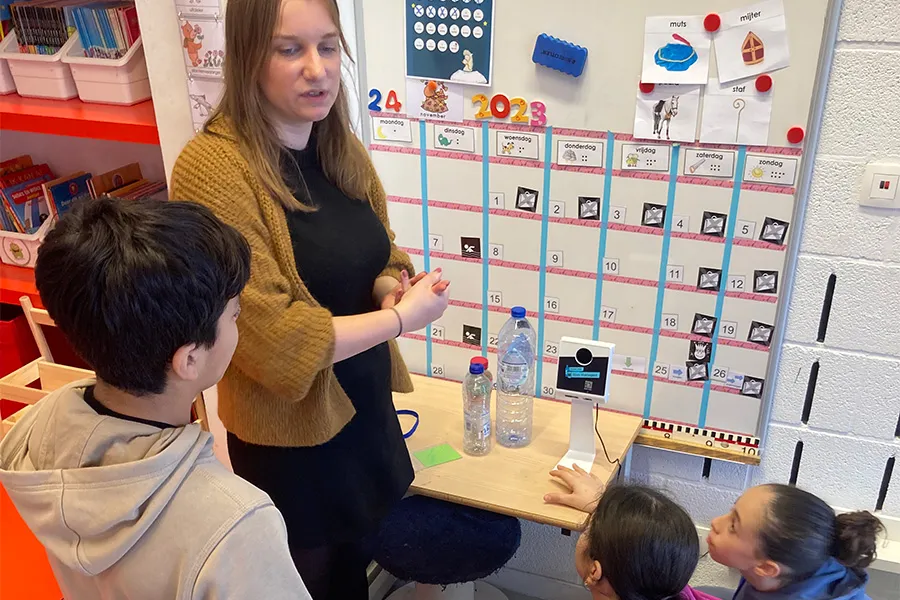
The focus groups tested users’ experience of using a smartphone app and a home scanner. Together, these tools make it possible to collect deposit refunds, including for people without access to the internet or a smartphone. Participants scanned the codes linked to blue bags and rubbish bins, as well as the unique codes on plastic bottles and cans. At the end of each focus group, participants completed standardised questionnaires.
Involvement at the concept stage
All participants were pleased to be involved in the test before a political decision had been made on the final deposit return system. They hope the governments will take their findings into account. The focus groups form part of qualitative research into the inclusiveness of digital deposits.
Positive results
People with disabilities
Overall, based on their experience during the test, 13 of the 16 participants said they would want to use digital deposits in future if the system is introduced.
Most participants in the target group were able to use one of the two tools to redeem deposits themselves: either the smartphone app or the home scanner. In a more residential setting, such as a care home, the digital deposit return system allows the scanner to be used by either the resident or staff at the organisation to redeem deposits.
Some comments from participants:
- “Conventional deposit return is not an option for us as people with limited mobility, because we would have to take the plastic bottles and cans to the shop. We want to be able to collect the deposit refunds at home.”
- “Because of my visual impairment, I prefer the smartphone, but other participants with visual impairments prefer the home scanner.”
- “Because of my learning disability, using the smartphone is a little more difficult for me, but the home scanner works really well.”
Young people from Molenbeek
32 of the 36 participants said they would use digital deposits in future. Ease of use scored particularly highly: 69 per cent viewed the home scanner positively or somewhat positively, while 83 per cent said the same of the smartphone app.
Young people whose home language is not Dutch, some of whom face a range of urban challenges, welcome digital deposits as a way to finally tackle litter on the streets of Brussels. They found both the smartphone app and the home scanner very easy to use and even enjoyed using them.
Comments frequently heard during the focus groups:
- “I’d start picking up every can in the street straight away!”
- “I think it’s a good idea and the system works well.”
The findings of this qualitative research were sent to the Brussels and Walloon governments and to OVAM’s pilot projects steering group.
Question about this story? Ask your question
Companies in this story

Keep following this
Get an email when a new story is published. No account needed.
- SubjectWaste streams
- CompanyOVAM







