Smart technology to tackle textile waste
Text and images Radicale vernieuwers
Europe wants to be fully carbon-neutral by 2050. But we will not achieve this unless we reuse our waste as raw materials and avoid all the emissions associated with virgin materials. Our sector must therefore keep doing what it does, while also embracing new concepts to make this radical transition possible for all products. In this section, we are pleased to introduce you to companies, technologies and people who have already embarked on this journey. At De Kringwinkel Antwerpen, they are tackling textile waste with dismantling workstations, rapid zip repairs and AI-powered textile scanners. They are using these to recycle old firefighter suits, among other things.
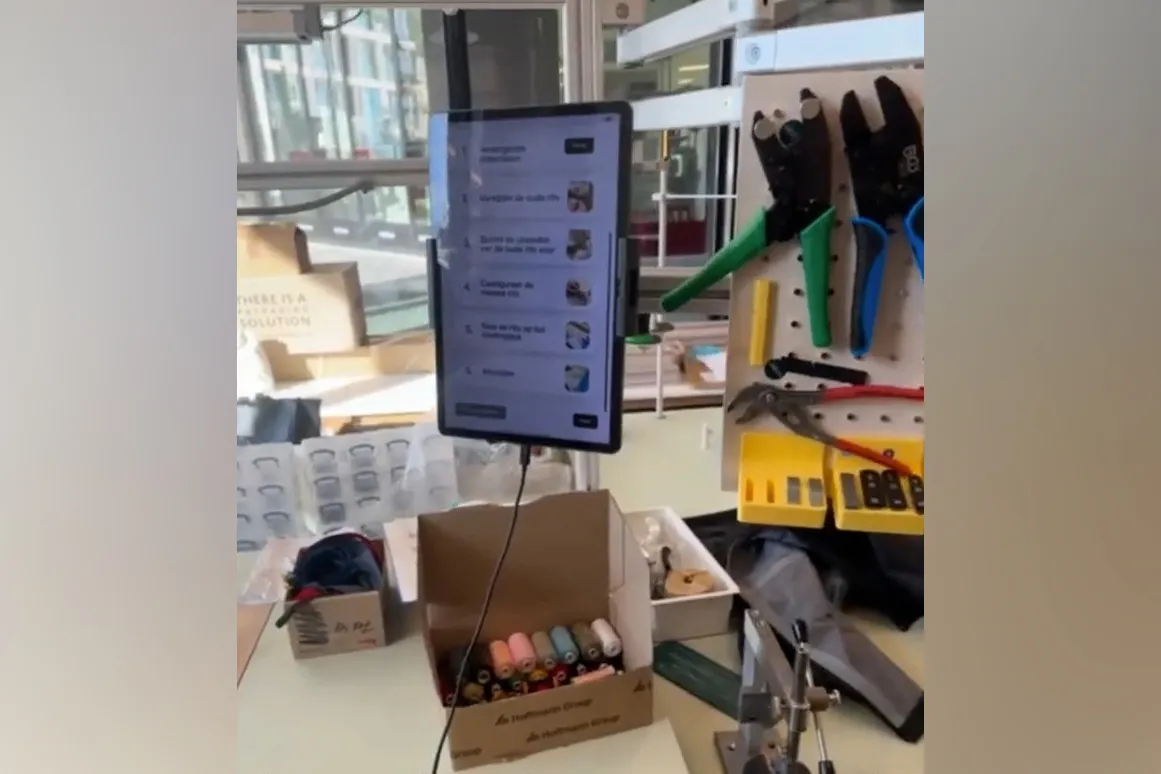
At De Kringwinkel Antwerpen, reuse means more than giving items a second home. Using innovative technologies, such as AI-assisted textile scanners and workstations that enable staff to repair zips in next to no time, the organisation is tackling waste and strengthening the circular economy. With 8,800 tonnes of goods collected each year and 2.8 million items reused, Kringwinkel Antwerpen is making a significant difference. It is not only saving materials and avoiding CO2 emissions, the equivalent of eight full flights around the world, but also providing jobs for almost 600 employees, many of whom face barriers to employment. In this way, sustainability is linked to social impact, and Kringwinkel Antwerpen shows how technology can make reuse even more accessible and efficient.
A social enterprise with a mission
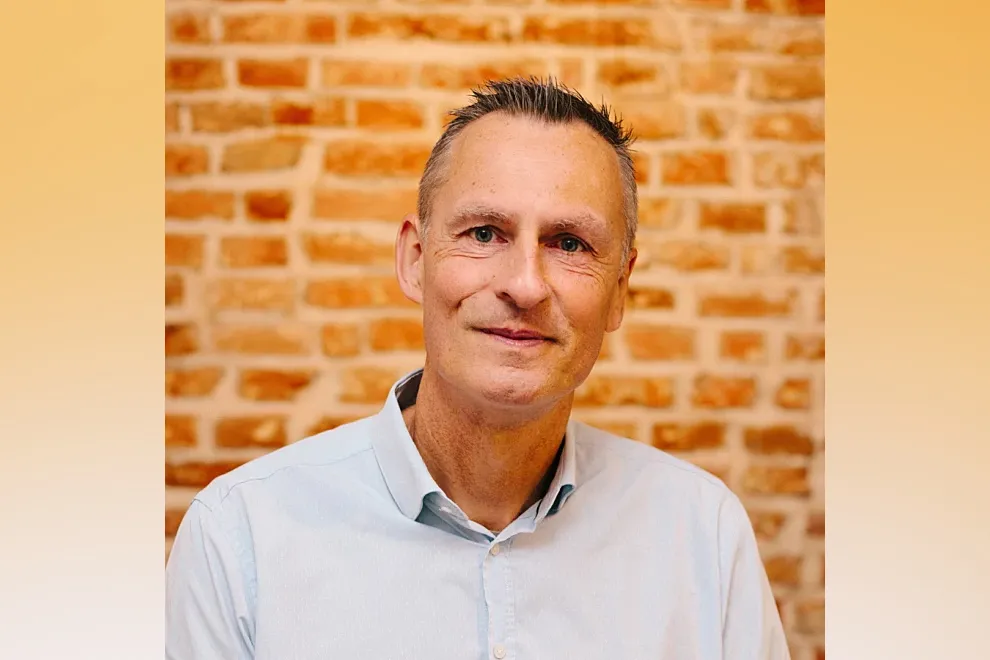
De Kringwinkel was founded in 1991 with a clear mission: to create jobs for people facing barriers to employment by promoting the reuse of goods. “Our mission is still the same,” says Hans Tops, managing director of Kringwinkel Antwerpen. “We want to prevent valuable materials from ending up in landfill and provide people with meaningful work. We are constantly looking for ways to increase our social impact,” Tops continues. Alongside its physical shops and online sales platform, Antwerp has a dedicated innovation department. “Here, we work on projects that make the sector and our own operations more efficient and sustainable. This helps us remain pioneers in the reuse sector.”
Technology for even greater impact
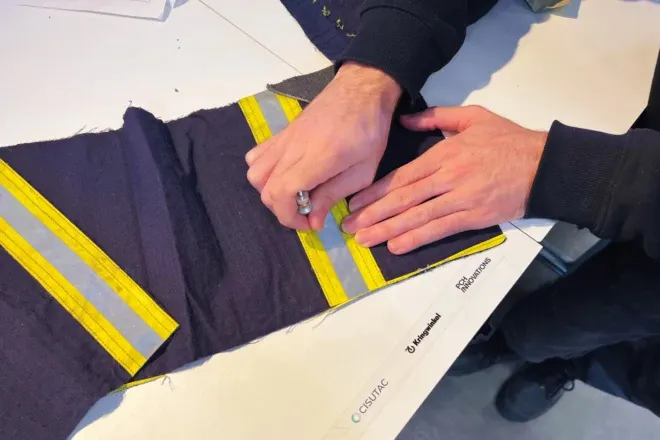
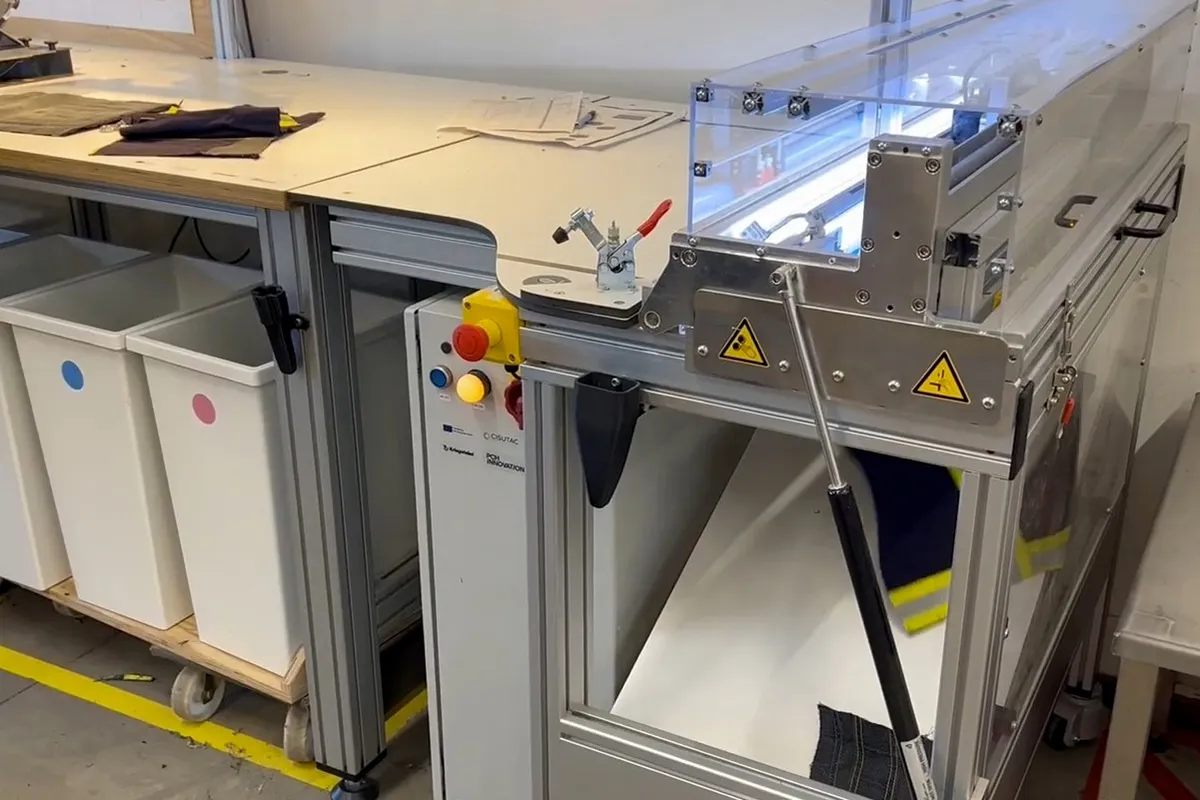
Kringwinkel Antwerpen’s innovation lab works with various partners on projects that combine technology and sustainability. One of these projects focuses on recycling old firefighter suits. “In collaboration with Sioen Industries, we dismantle these suits so that their high-performance fire-resistant fibres can be reused,” says Tops. De Kringwinkel also has an AI-assisted workstation for repairing zips: “A repair that used to take 40 minutes can now be completed in 10 minutes.” These innovations make reuse more efficient and contribute to a more sustainable future. Textile scanners are also used to sort incoming clothing quickly and accurately, making it possible to offer higher-quality textiles.
Where ultra-fast fashion and reuse collide
De Kringwinkel Antwerpen is seeing growing demand for reuse. At the same time, the organisation faces significant challenges, including a lack of sorting capacity and the growing popularity of ultra-fast fashion. “We’re drowning in textiles,” says Tops. “Our warehouses are overflowing, and much of the cheap clothing is such low quality that reuse is barely possible.” To tackle waste, the Kringwinkels are calling for more conscious purchasing. “We try to get people to ask themselves: ‘Do I really need what I’m buying?’ There is also a lack of industrial recycling facilities in Belgium, which is slowing down the processing of materials. We are therefore calling for greater investment in circular infrastructure. Additional regulations to tackle textile waste would also be a great help.”
Question about this story? Ask your question
Keep following this
Get an email when a new story is published. No account needed.
- ThemeMaking use of textiles and other waste streams
- SubjectThe future of recycling