From coffee grounds to hand soap
Text Valérie CouplezImage Grounds Up en iStock
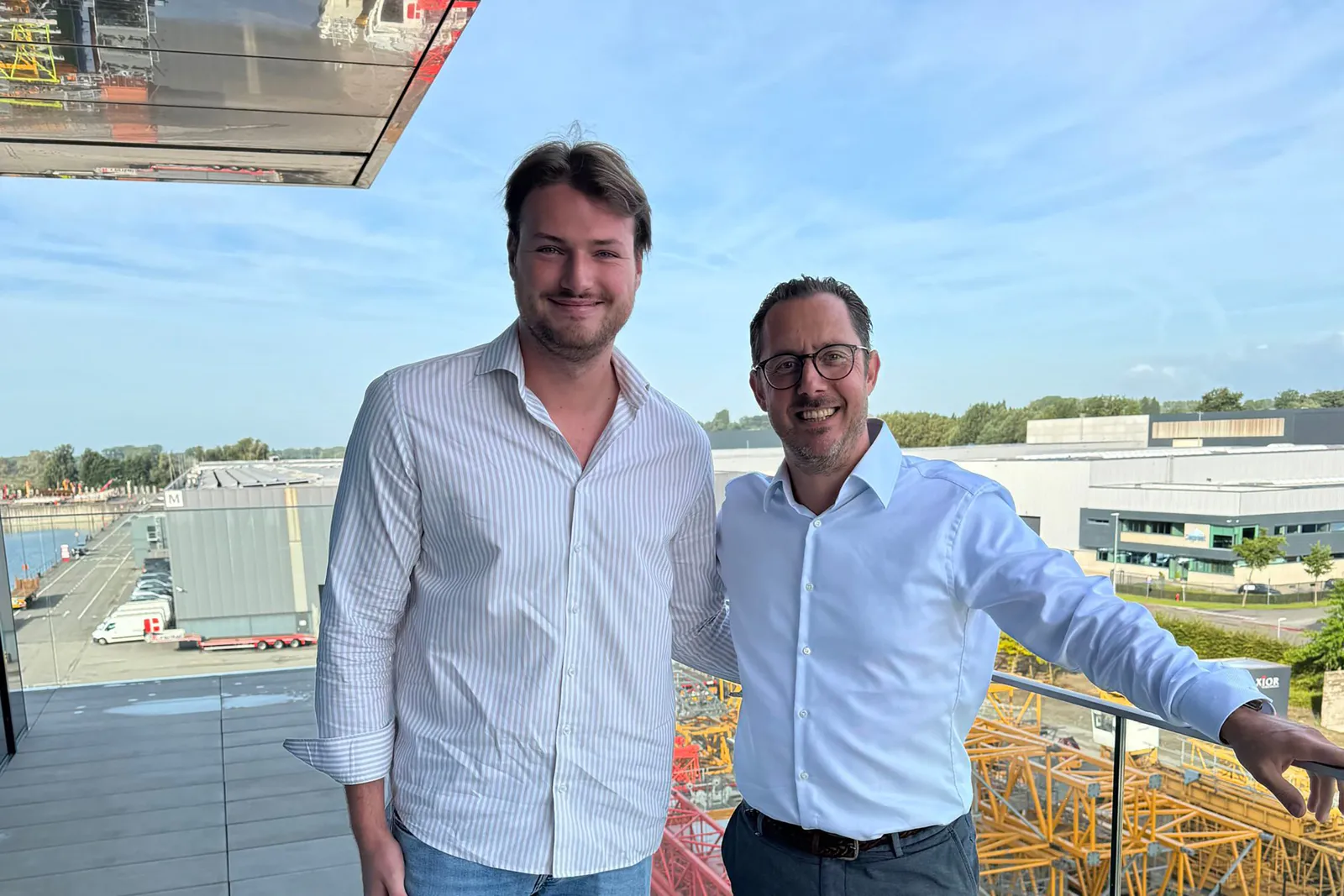
Coffee is known as black gold. But did you know that coffee waste, in the form of coffee grounds, also has value? Founder Lukas Van Quickelberghe is working to unlock that potential. Coffee grounds offer plenty of opportunities for upcycling, from reusable coffee cups to high-end cosmetic products and designer planters. The possibilities are endless. What began as a graduation project has since grown into a promising start-up that is already in the black after four years. All thanks to plenty of passion and perseverance, and the support of entrepreneur and investor Erik Groes.
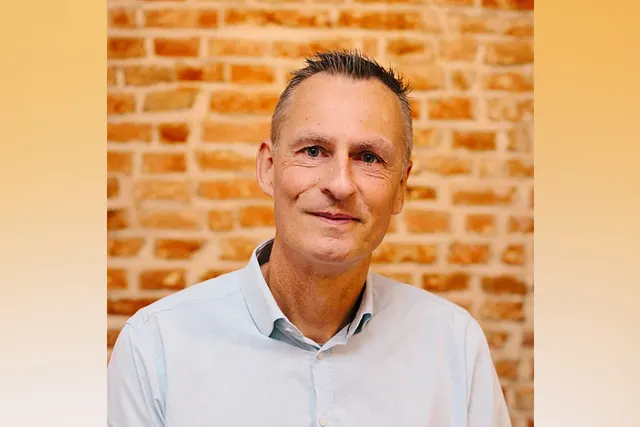
Groes met Van Quickelberghe almost by chance. “I visited a trade fair in Ghent where students were presenting their final projects on circularity. The coffee grounds immediately caught my eye.” Why coffee? “Because millions of tonnes of coffee grounds end up in landfill every year. Belgians drink an average of 800 cups of coffee a year. Only 1% of the coffee brewed is actually used, leaving 67,000 tonnes of coffee grounds as waste. And this has a considerable environmental impact: processing 1 kg generates 775 g of CO2, the equivalent of a car travelling 7 km.”
Keeping the incoming stream under control
Grounds Up aims to become the world’s largest processor of coffee waste. “But first, Belgium,” Groes says with a wink. “Coffee grounds can be used as a building block in all kinds of materials. But that also poses a risk for a start-up: you can’t tackle everything at once. It’s crucial to stay focused and grow step by step. That’s the experience I bring,” says Groes. And Grounds Up has certainly taken some steps already. It has two impressive partnerships under its belt, with IKEA and Brussels Airport. “They are ‘coffee hotspots’, places where we collect a lot of coffee grounds in a relatively small area. Upcycling coffee grounds does come with a few challenges: we need enough volume for each batch, but the grounds also need to be fresh enough to process, so that mould does not develop. There are technological solutions for this, for example, the grounds could be collected under vacuum, but you want to make things as easy as possible for the user. With these two partners, we have the supply perfectly under control.”
Already three products made from coffee grounds
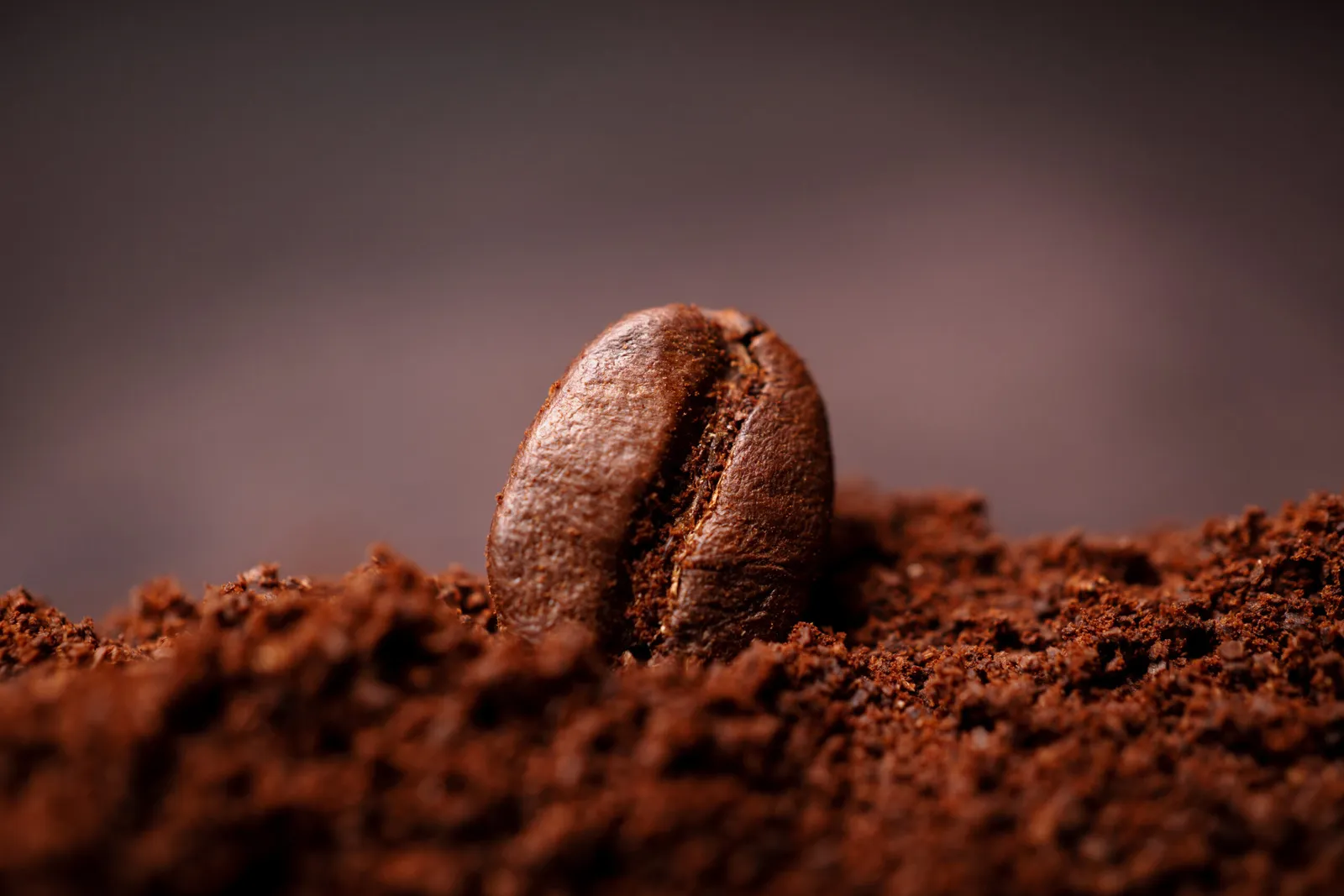
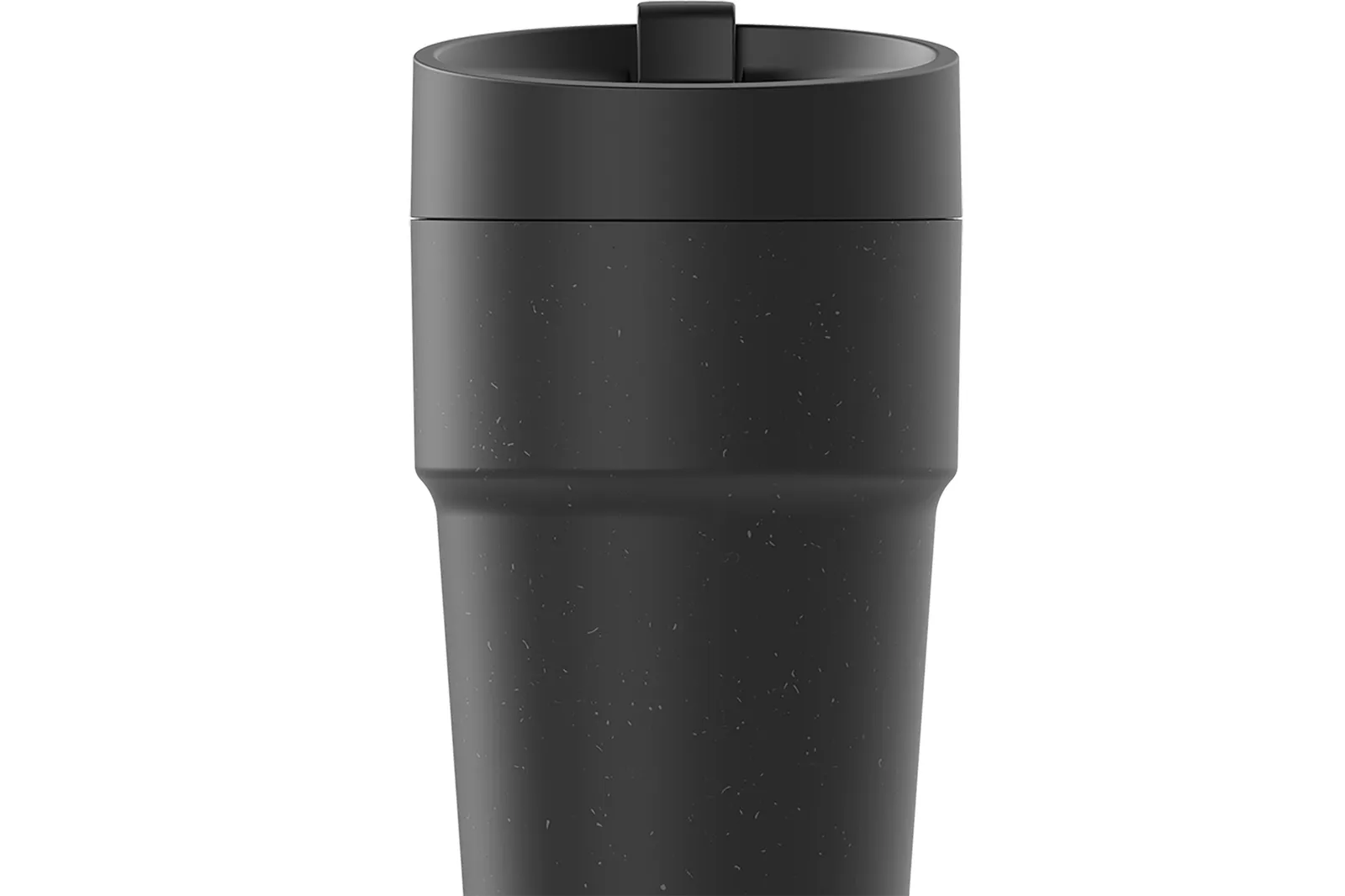
The actual processing takes place in Ghent. For now, it is a semi-automated process that Van Quickelberghe oversees with great dedication. Groes says: “That is ultimately where our know-how lies: turning coffee grounds into a stable raw material.” After decontamination, drying and pressing, around 90% of the material fed into production comes out as coffee oil or coffee press cake. “We then blend these further.” The result is ‘groundulates’, a blend of recycled polypropylene and 20% coffee, a material that can then be used to make new products through extrusion or 3D printing. One example is the NaveRo Cup, a reusable, resealable coffee cup made from 20% coffee grounds. A line of designer planters, custom-made using 3D printing, will follow shortly. “By the end of this year, there will be a third product: a high-quality hand soap made from coffee oil,” says Groes.
Scaling up further, step by step
And what are the next steps? “Today we are a start-up collecting 50 to 60 tonnes a year. Tomorrow, we want to move towards an industrial process that handles 300 to 500 tonnes of coffee grounds. But you need to be able to manage your entire process flow to meet the resulting market demand. That is why it is so important not to rush anything and to keep looking for partnerships that can help you move forward,” Groes concludes.
Question about this story? Ask your question
Keep following this
Get an email when a new story is published. No account needed.
- SubjectThe future of recycling