Recycling company in the spotlight
Working towards a sustainable society
Text Roel van GilsImage Knol Recycling
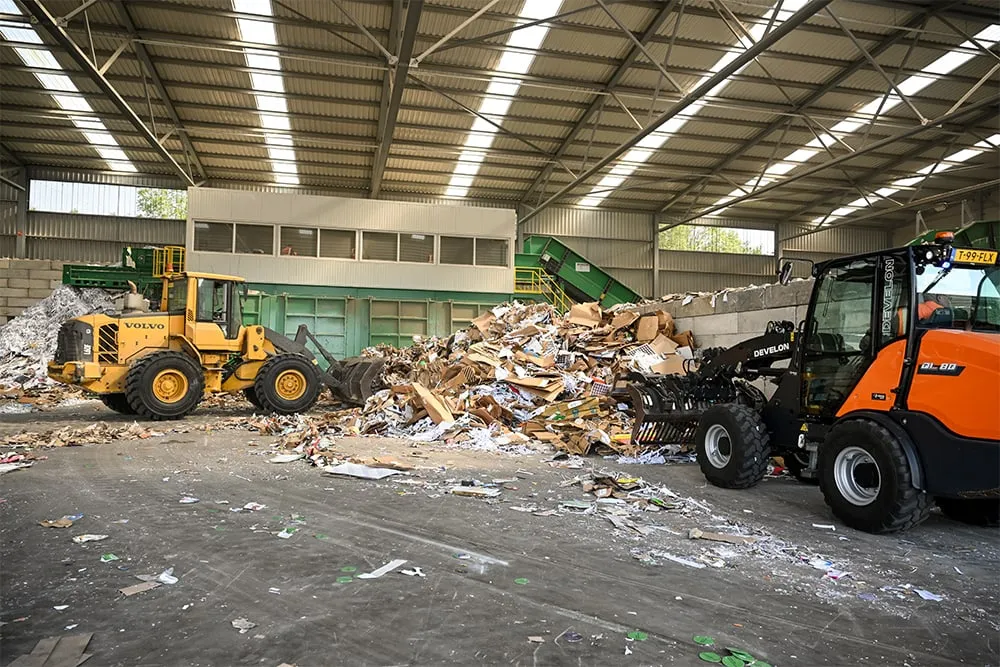
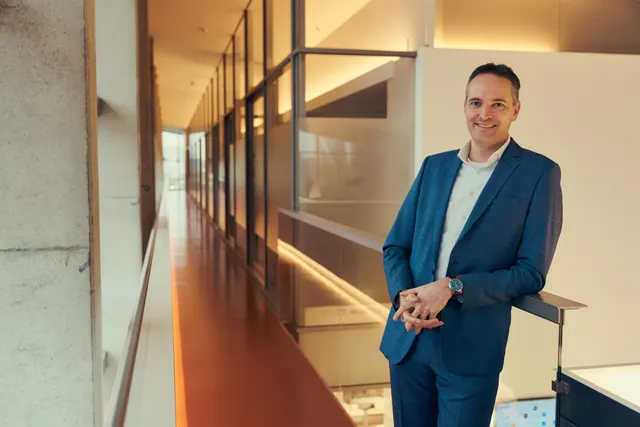
Knol Recycling has been collecting and processing waste paper since 1952. This remains the family business’s core business in 2024, but over the years it has added a number of other waste streams, including wood, plastic film, plastics, EPS and textiles. Rob Kuijer, managing director of Knol Recycling, gives us an insight into the business.
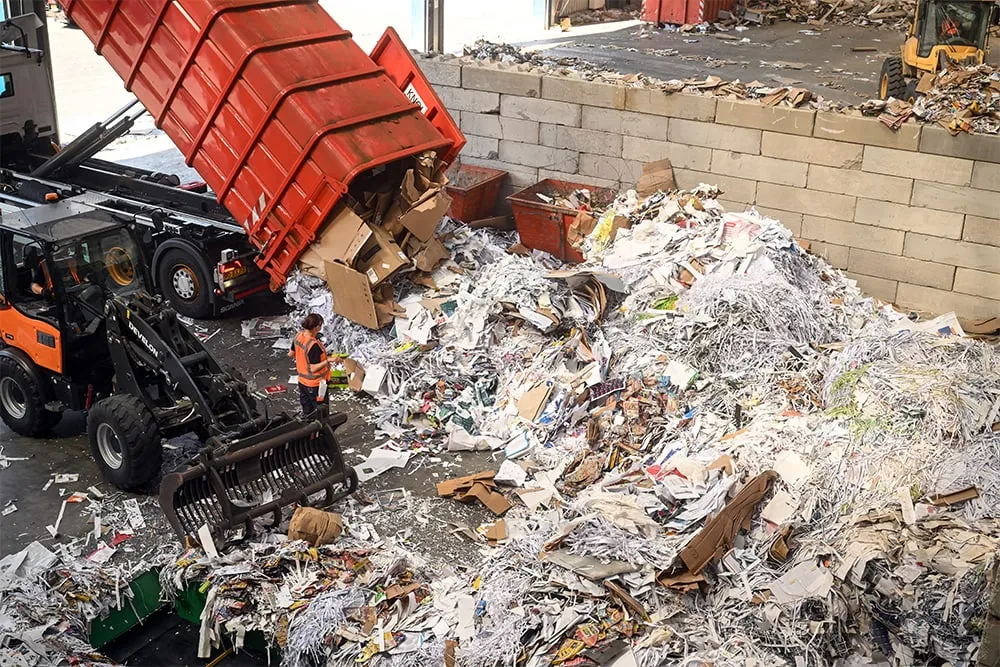
“We’ll be 75 years old in three years’ time,” says Kuijer with justifiable pride. “We’re a close-knit family business and over the past few decades we’ve grown into a respected player in the waste collection and recycling sector. We’re working towards a sustainable, circular society, actively seeking out (new) waste streams in the market that are suitable for recycling. That’s why, for example, we also started collecting textiles, plastics and EPS. Anyone can collect waste, but we guarantee that everything we collect is recycled into raw materials for new products.”
From waste textiles to a greener school playground
Knol Recycling has its own distinctive approach. “That’s what enables us to make textile recycling a success,” says Kuijer. “Although the media are full of suggestions that textile recycling is in crisis, we’ve made a successful business model of it. We’ve built on the concept of collecting waste paper at schools, as used to happen in the past. These days, that happens much less often because waste paper is collected door to door. In our region, we have an agreement with schools whereby they earn points based on the kilos of textiles they collect. They can redeem those points for things such as making the school playground greener.” The concept has been such a success that Knol Recycling now also offers it to clubs and associations.
Waste as a valuable raw material
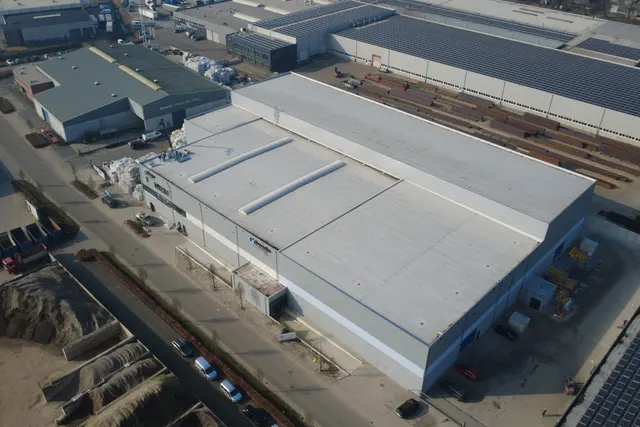
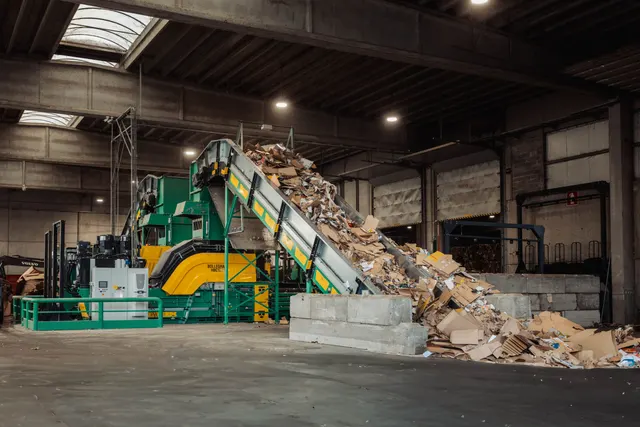
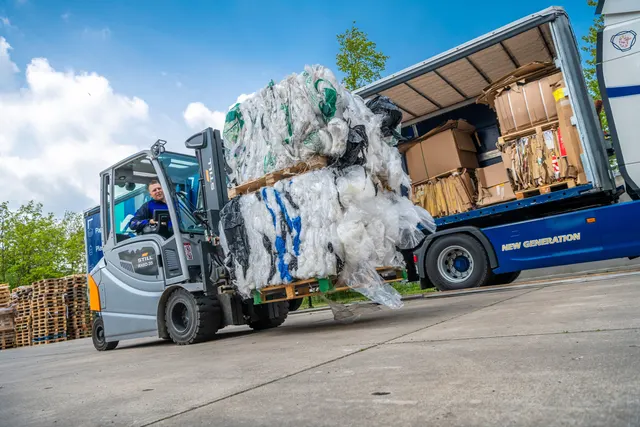
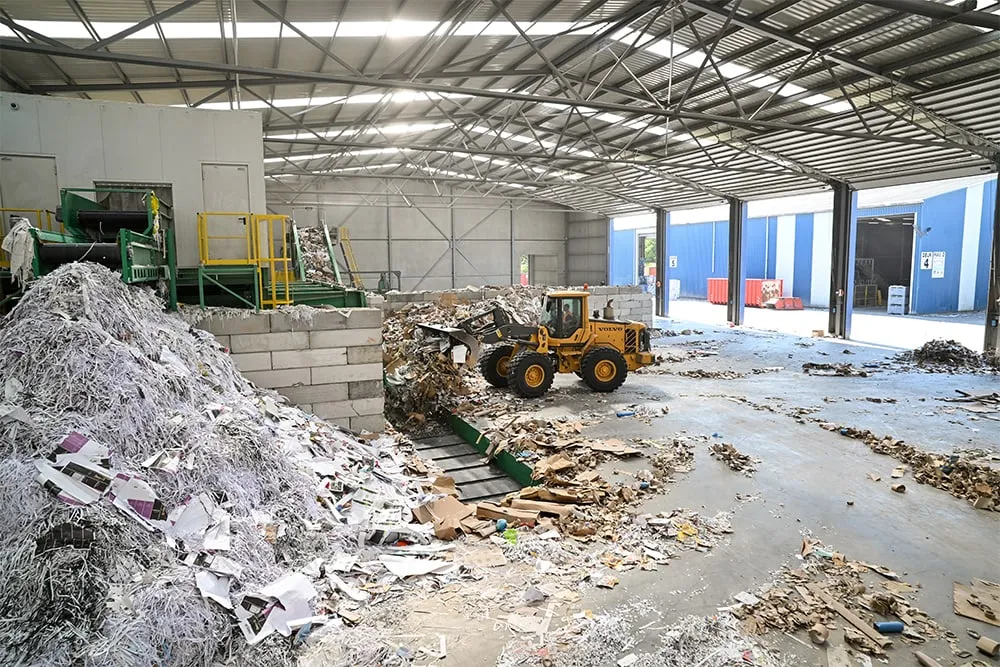
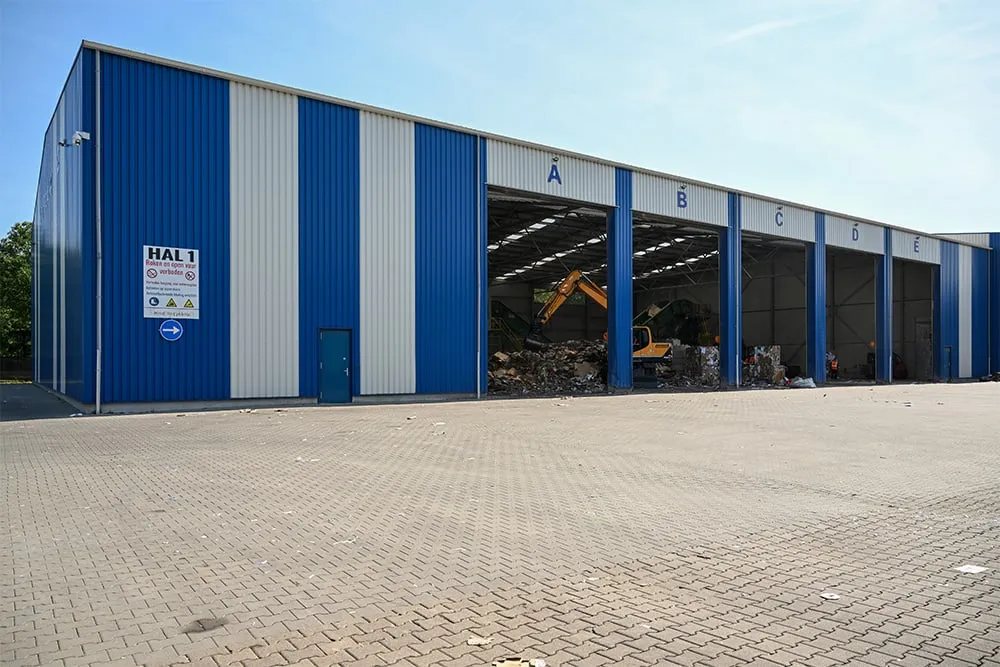
“So we’re constantly looking for new opportunities to grow as an organisation and a business,” says Kuijer. “And, above all, to make companies aware that in many cases they can operate more sustainably. For example, we set up a separate collection stream for EPS. Previously, it went into waste containers and was incinerated. We collect it from our customers, such as installation companies, white goods companies and contractors, then sort and shred it and turn it into briquettes, which the insulation industry uses as a raw material for new insulation products.” Kuijer believes there is still room for growth in the company’s core business. “We’ve been collecting waste paper and cardboard since we were founded. We collect it from SMEs, industry and printing companies. We then process and sort it at our site in Hengelo, and bale it for use as a raw material by paper mills.” Knol Recycling handles almost everything in-house. “We have our own containers in a wide range of sizes for collecting residual waste streams, from 1,000 l containers to large compactor containers. We also operate seventeen of our own lorries. We’re therefore as little dependent on third parties as possible, which allows us to maintain control over waste streams. Finally, through our sister company Reisswolf, we also provide archive and data destruction services.”
Question about this story? Ask your question
Keep following this
Get an email when a new story is published. No account needed.
- ThemeMaking use of textiles and other waste streams
- SubjectRecycling company in the spotlight