Recycling company in the spotlight
First fully fledged recycling plant for PIR insulation boards
Text and images Unilin
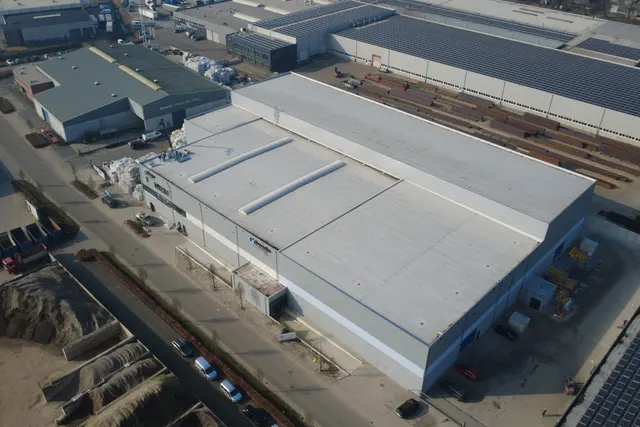
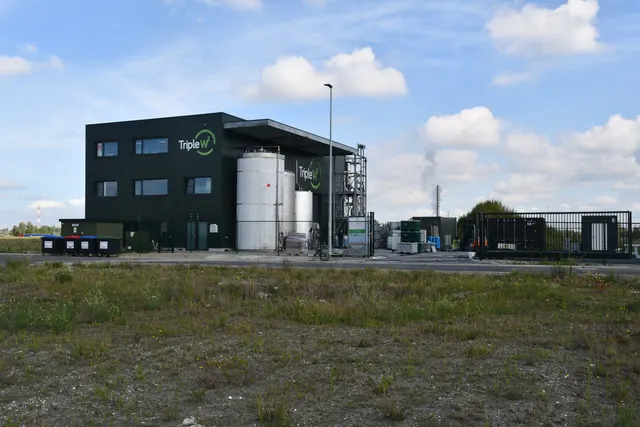
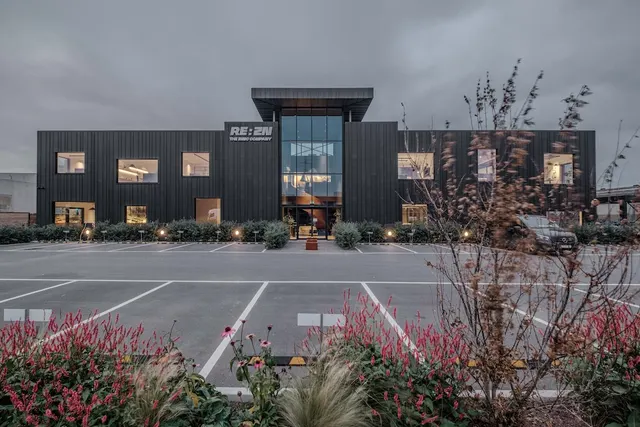
Unilin has opened the first fully fledged recycling plant for PIR insulation boards in Desselgem. With this state-of-the-art facility, Unilin Insulation is the first insulation manufacturer able to chemically recycle not only its own production waste, but also post-industrial PIR insulation boards into new PIR insulation boards. With in-house R&D and an investment of 8 million euros, Unilin is taking an important step towards making PIR insulation boards circular and reducing its carbon footprint.
Unilin produces PIR insulation boards for walls and floors, as well as flat and pitched roofs. PIR is produced by chemically reacting two key components, polyol and MDI. PIR has a higher thermal insulation value than conventional materials such as mineral wool (glass wool/stone wool), XPS or EPS. The lightweight boards are easy to install, can be walked on and deliver high insulation performance at a lower thickness thanks to their low lambda value. PIR insulation also has a long service life. Unlike other insulation products, its insulation value barely decreases after 50 years.
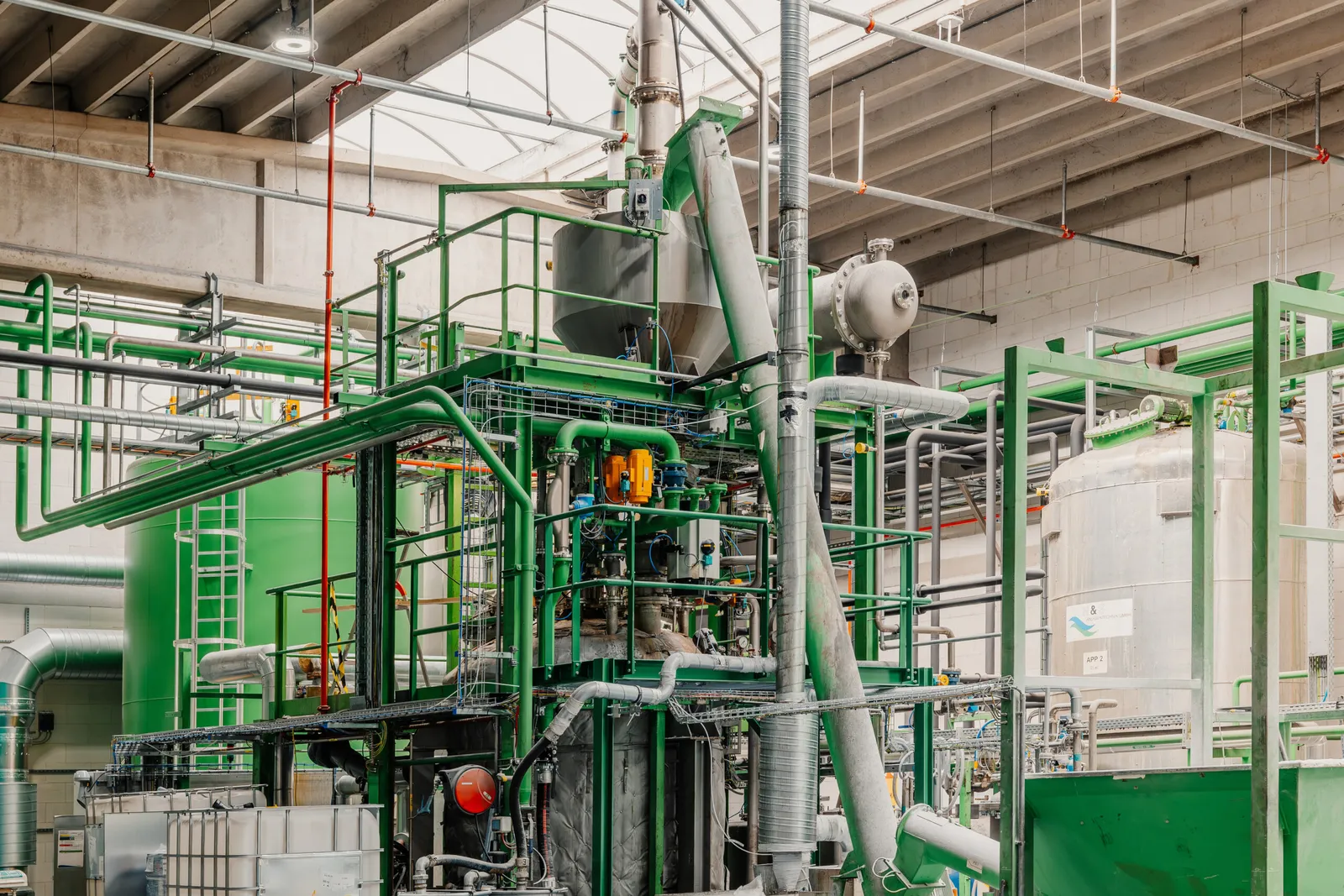
In-house developed recycling process
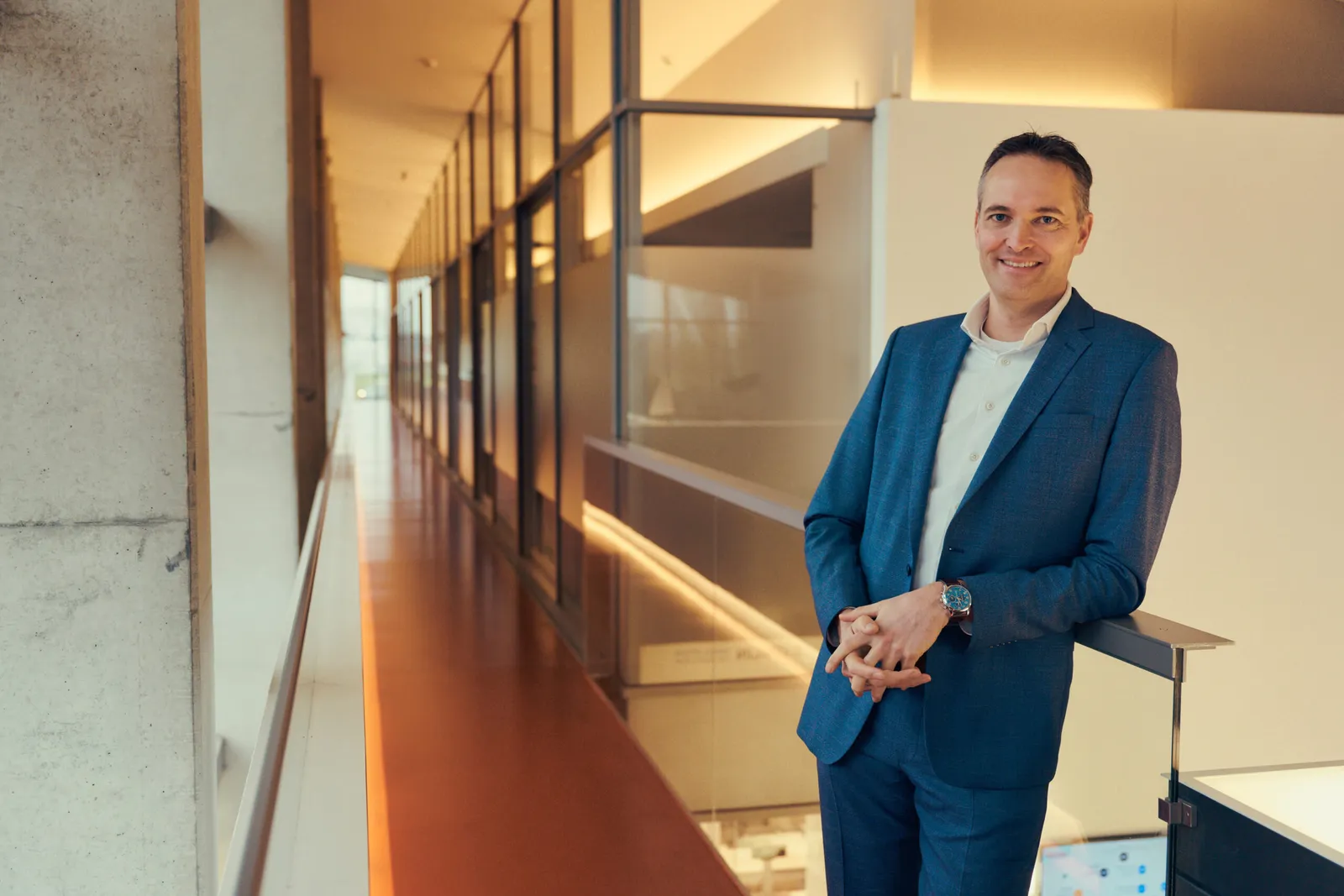
Circularity is nevertheless a challenge for PIR insulation boards. Unilin was already able to mechanically recycle PIR board waste. In 2024, Rezillo was launched, a moisture-resistant building board made from mechanically recycled PIR board waste. With its latest investment, Unilin is going a step further: through chemical recycling of PIR board waste, the company can now also produce raw materials for new PIR insulation boards. From PIR insulation board to PIR insulation board. “Some insulation manufacturers were already using PUR or PIR waste from other applications, such as sandwich panels, in the production of new PIR boards. Recycling PIR insulation boards into new PIR insulation boards was not yet possible. We have now cracked that code through our own R&D. A major milestone,” says Jeroen De Temmerman, President Unilin Insulation.
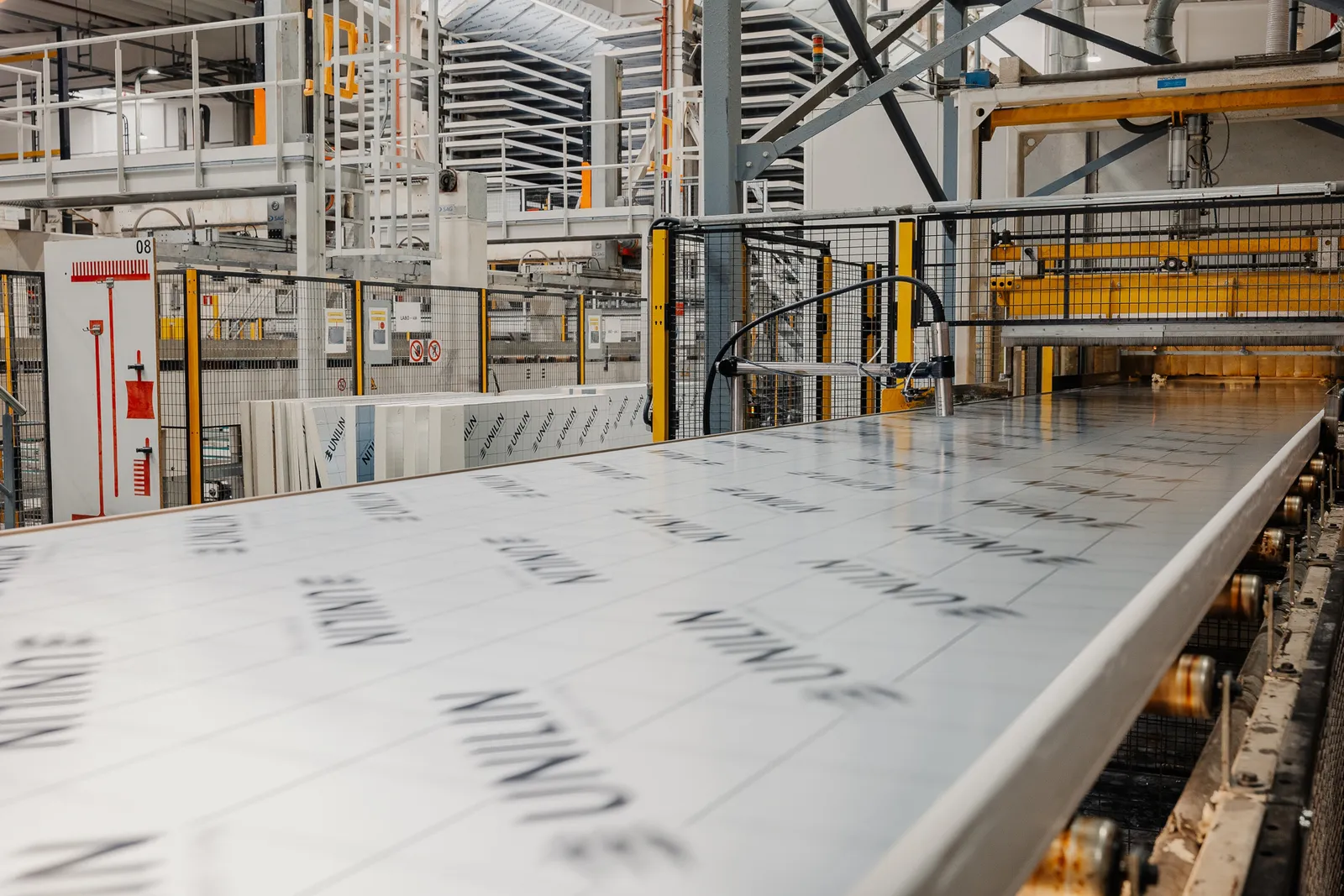
Three steps
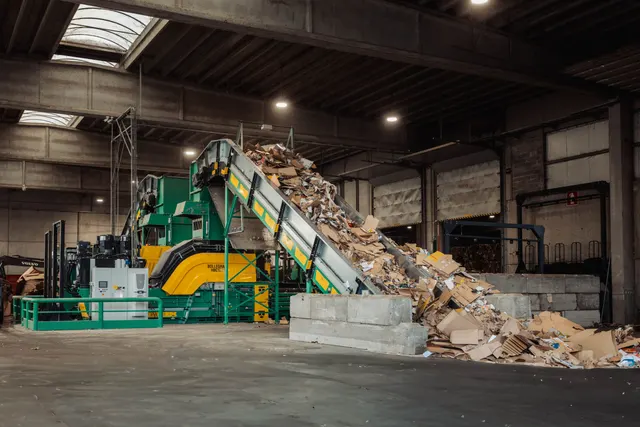
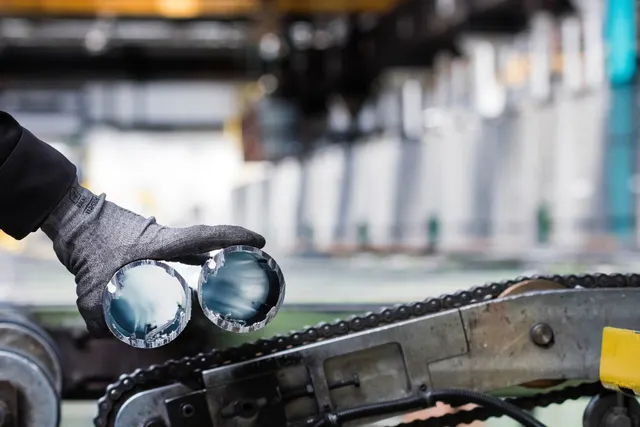
The recycling process consists of three steps: shredding, filtering and chemical recycling. In the first step, the PIR insulation boards are broken up and shredded into small pieces. The second step uses an in-house developed process, including air classification, to separate the PIR particles from the paper or aluminium facings of the boards. The pure PIR is then fed into a reactor. Through glycolysis, the reactor separates the components of PIR, including polyol. The recycled polyol can then be added back into the standard production process. New PIR insulation boards can be made by reacting the recycled polyol with MDI. With this new investment, Unilin can meet up to 50% of its polyol consumption with polyol produced in-house.
Further scaling up recycling capacity
This recycling process marks an important step forward in making PIR insulation circular. Unilin plans to further scale up recycling capacity within its insulation operations. De Temmerman says: “The capacity of the PIR insulation board recycling plant in Desselgem will be built up gradually. First, it will process internal board waste, followed by post-industrial waste from construction sites. Based on experience in Desselgem, Unilin will then consider building an additional recycling plant in the UK over the course of 2026. Studies are under way. We are also continuing to invest in research into additional recycling technologies so that we can recycle the MDI components as well as the polyols.”
Take-back through the Recover programme
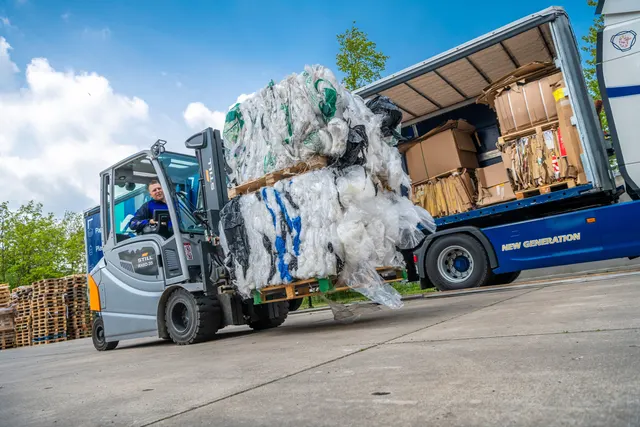
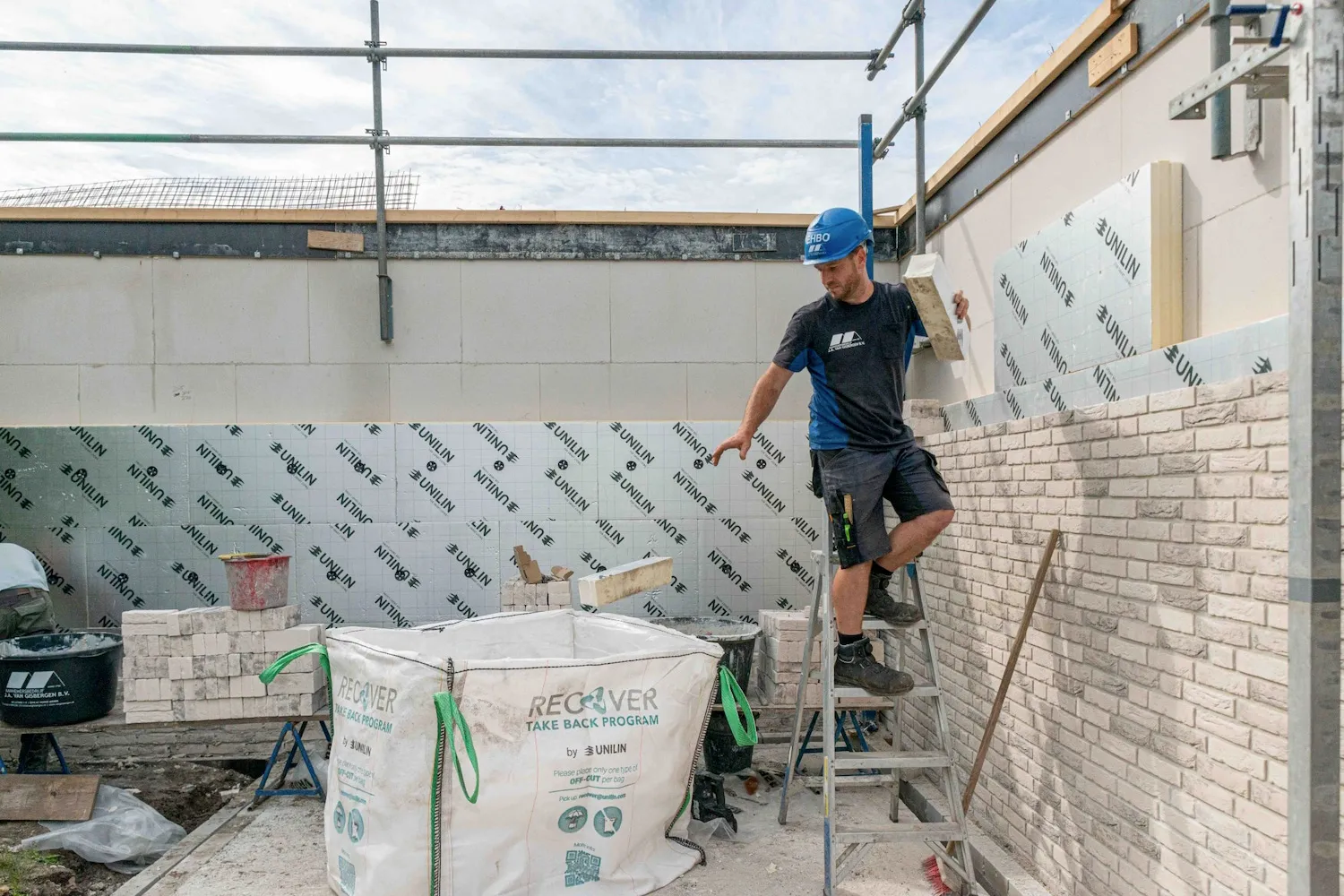
Over the past year, Unilin has also worked through its Unilin Recover programme on a take-back model to collect PIR waste from construction sites in collaboration with the construction sector and return it to its own production sites. This Recover programme is the crucial link in supplying the recycling plant with post-industrial PIR board waste.
Question about this story? Ask your question
Keep following this
Get an email when a new story is published. No account needed.
- SubjectRecycling company in the spotlight