Recycling company in the spotlight
Embracing sustainability through local processing and insight
Text Ferdi den BakkerImage Schenk Recycling
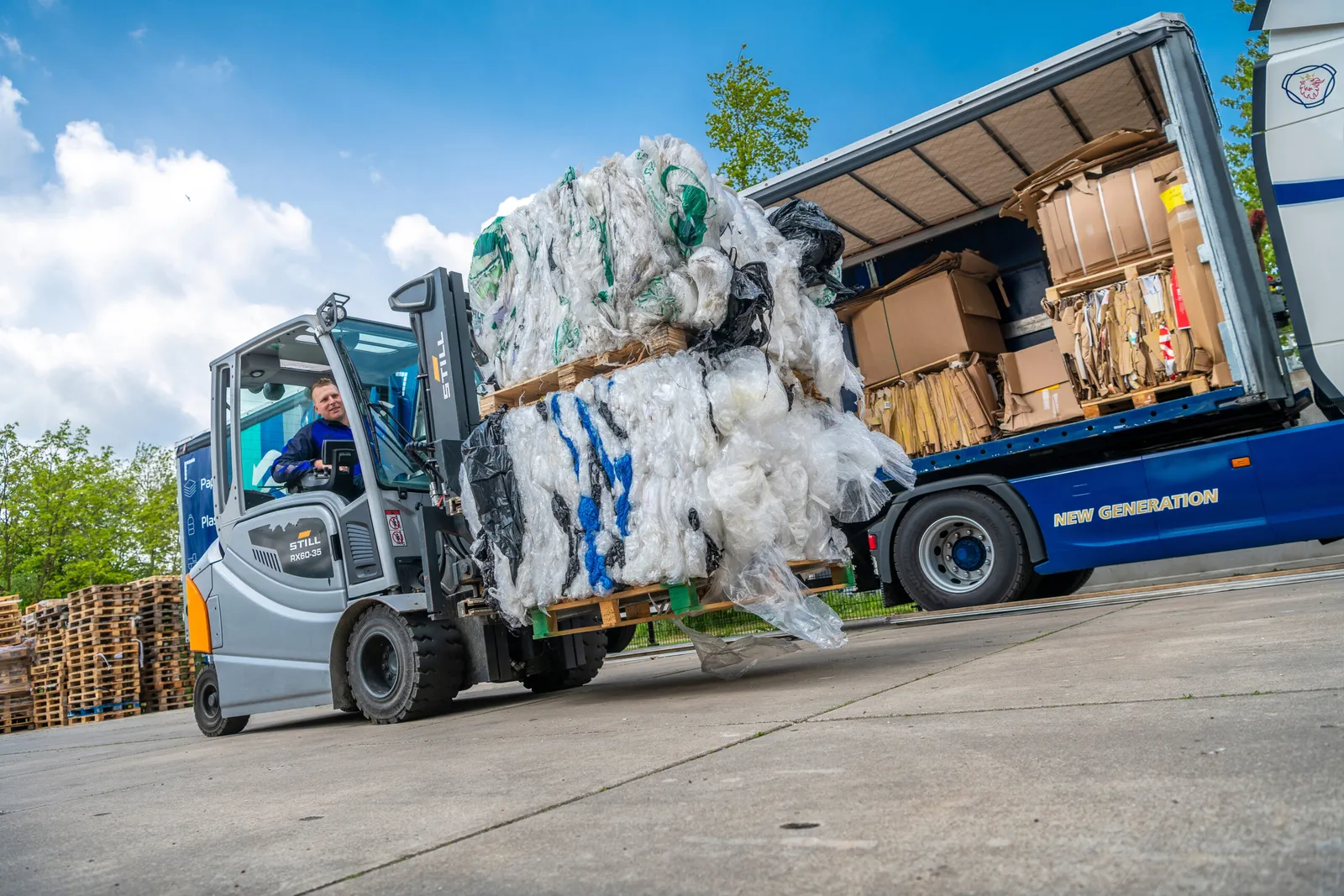
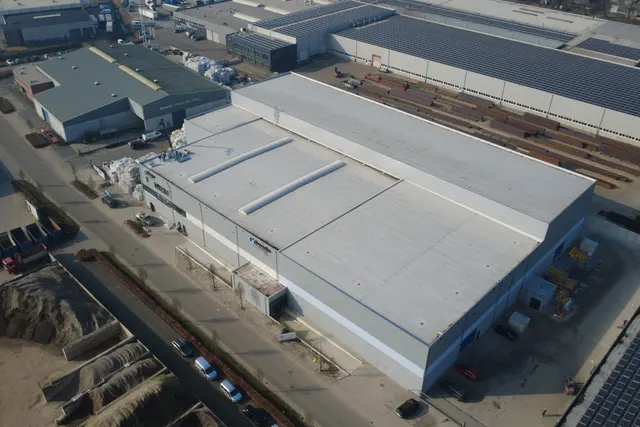
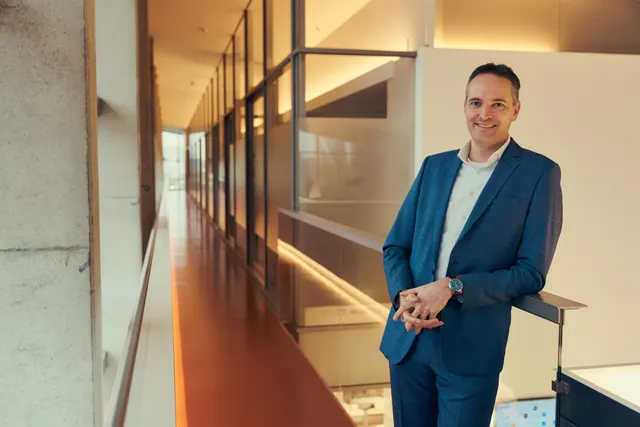
The biggest challenge for Schenk Recycling in Almere? “Finding staff, because we are a growing business.” The recycling company is now led by the fourth generation of the Schenk family. Product marketing manager Daan Grootegoed, a member of the management team: “Clarity and the ability to act quickly are important. The organisation is nice and flat, and we always try to handle waste streams in a single transport movement.”
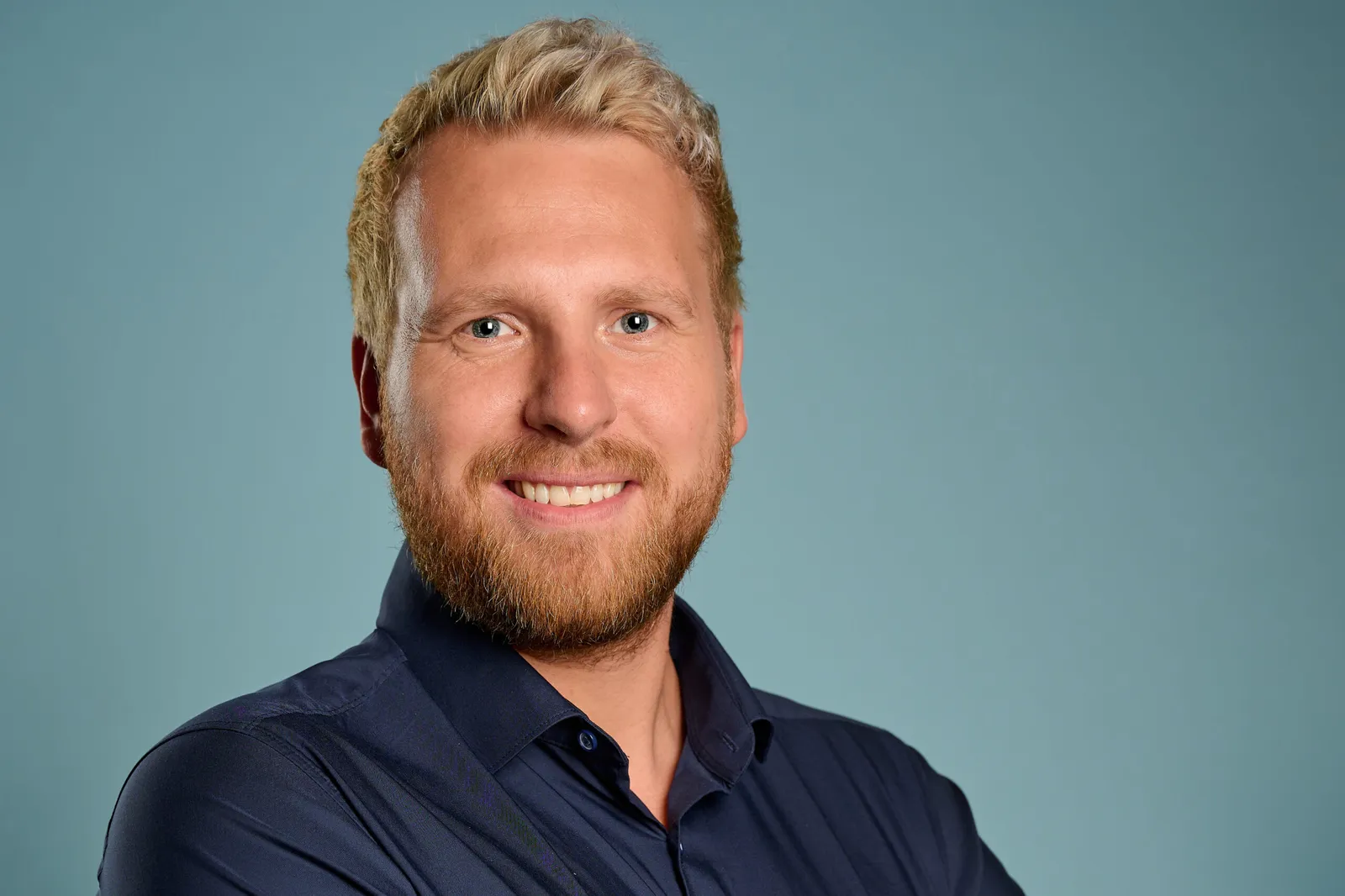
Schenk Recycling is above all a family business, says the only member of the management team who is not part of the family. He did, however, live opposite the Schenk family as a child. “That’s how I got involved too. The sons, the fourth generation, took over the business a few years ago. Their father and mother are still active part-time, though.”
Volumes have increased enormously
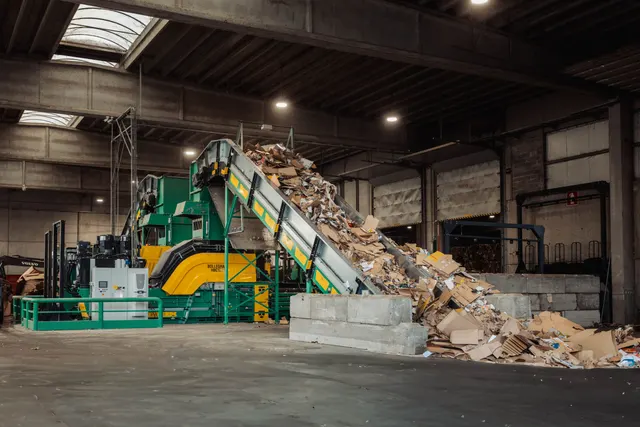
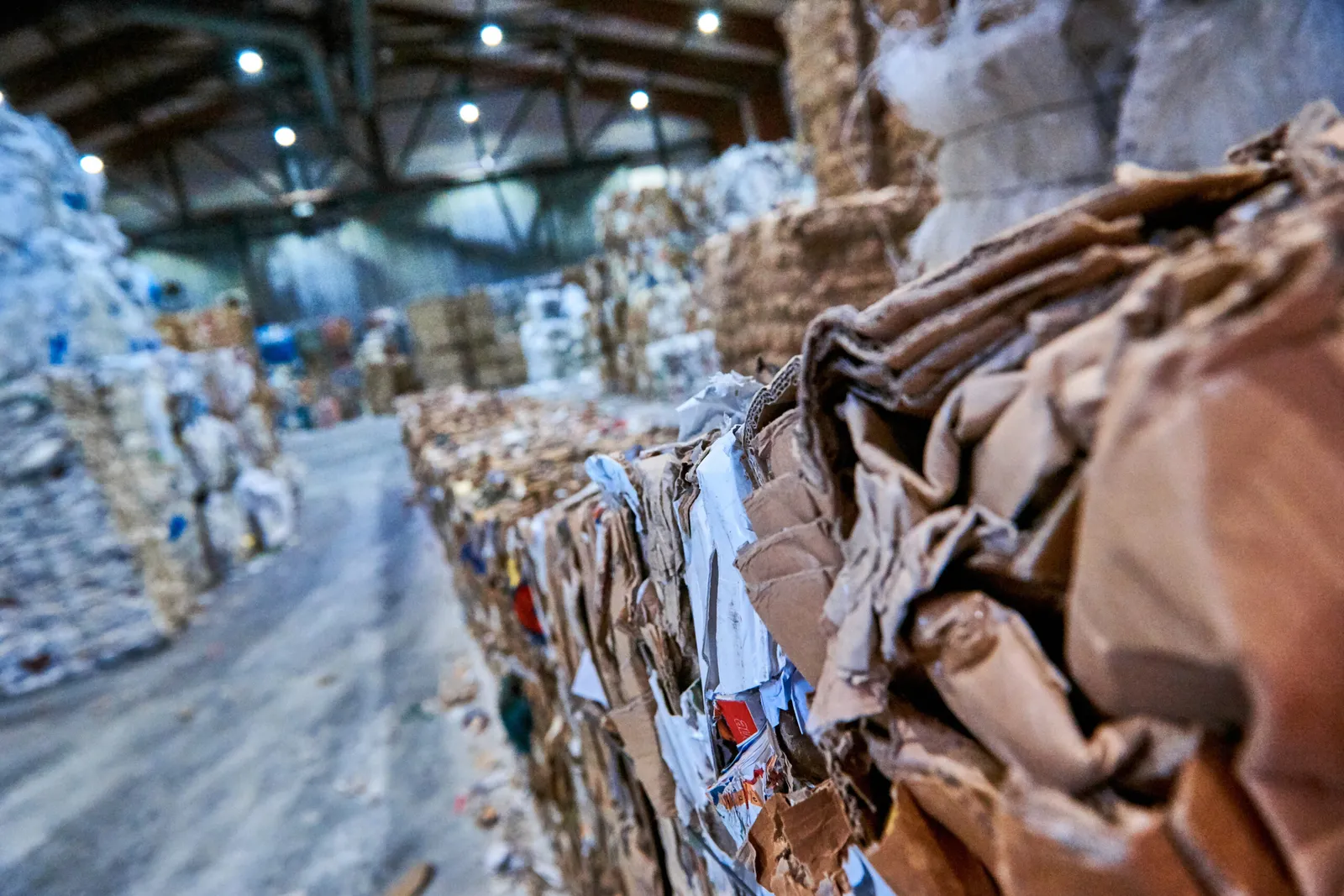
Over 15 years, the company has grown from 4 to 22 employees. “Volumes have increased enormously in recent years. The biggest change has been in the number of our own customers we serve, as well as private individuals with metal waste. Ten years ago, we didn’t provide services for as many of our own customers, and on average they were a little smaller too. Now we actively seek out customers.” What Schenk was already doing back then was preparing waste streams for recycling. “The company acts as a hub, processing waste streams. Three streams are central to this: metals, paper and plastics.”
Focus on industry and logistics service providers
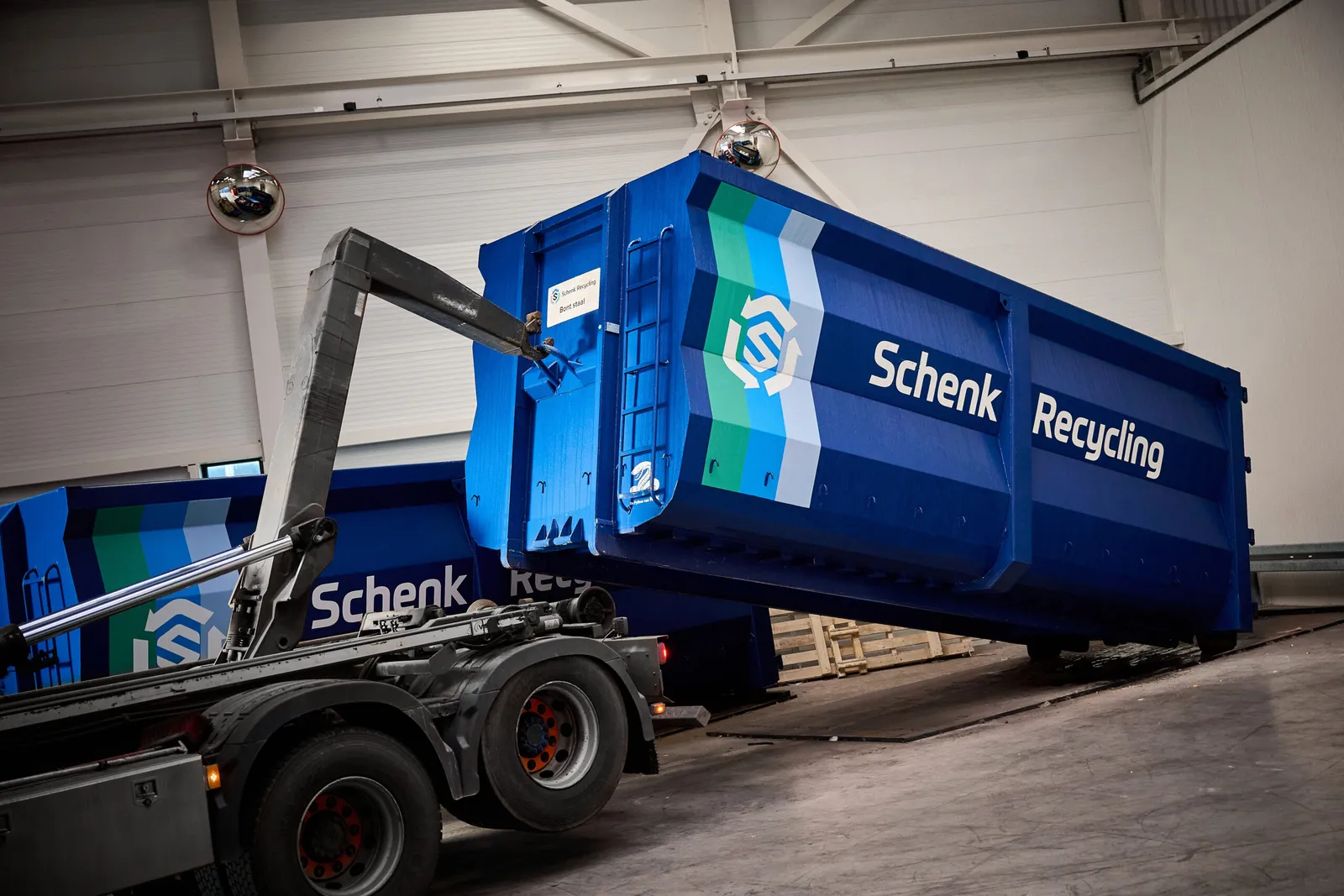
Schenk serves two main customer groups: businesses and private individuals. “We have quite a large number of business customers in logistics and manufacturing. We help these customers with their overall waste management. For these companies, such as logistics service providers, we also supply equipment such as a baler, a compactor container or other collection equipment. In addition to collection and processing, we report data. Larger customers are required to report, and this is an area that will continue to develop.” To gain better control over waste streams, it is important to know exactly what Schenk collects, which journeys have taken place during a month, and the associated weights of the waste streams. The company is implementing a new ERP system to provide even greater insight. “I always say: from waste stream to data stream.” In addition to its own customers, whom Grootegoed describes as source customers, the company also serves large waste collectors. “We process those streams so that they can be traded again and used as secondary raw materials.”
Processing streams locally
Grootegoed believes much of the company’s growth in recent years is down to its flat organisation. “When a problem arises, we respond to it very quickly. Customers can quickly get through to the right person. It also helps that we process streams locally. Almere is our home, and we have grown alongside the city. I also think we’ll grow in Lelystad in the coming years.” Local processing makes the streams more sustainable. The same goes for the focus on handling streams in a single transport movement. “Thanks to this approach and the combinations we try to make, costs are often lower too.” Technology, such as automated tracking systems, a new ERP system and other forms of automation, can improve things further. “That makes it easier to make forecasts, but … ultimately, this business also depends on people getting their hands dirty. That is a major challenge. It isn’t always easy to find someone who enjoys managing a process day to day and isn’t afraid to get their hands dirty. Still, that doesn’t hold us back. There’s little more enjoyable than taking on challenges. Our employees see that too. No employee has ever left because they weren’t happy here.”
Question about this story? Ask your question
Keep following this
Get an email when a new story is published. No account needed.
- SubjectRecycling company in the spotlight