Recycling company in the spotlight
Lactic acid from organic waste
Text and images Valérie Couplez
0.7 kg fewer CO2 emissions for every kg of lactic acid
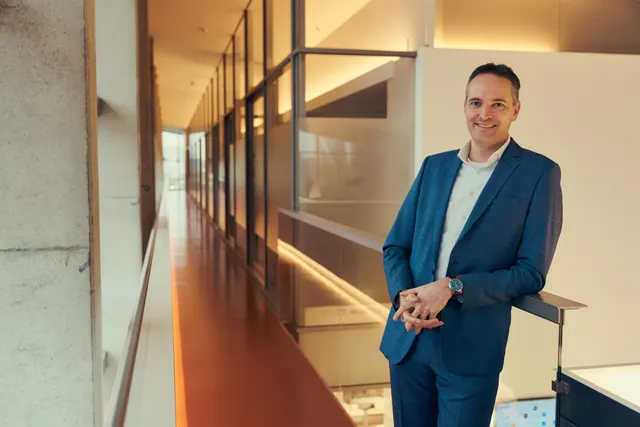
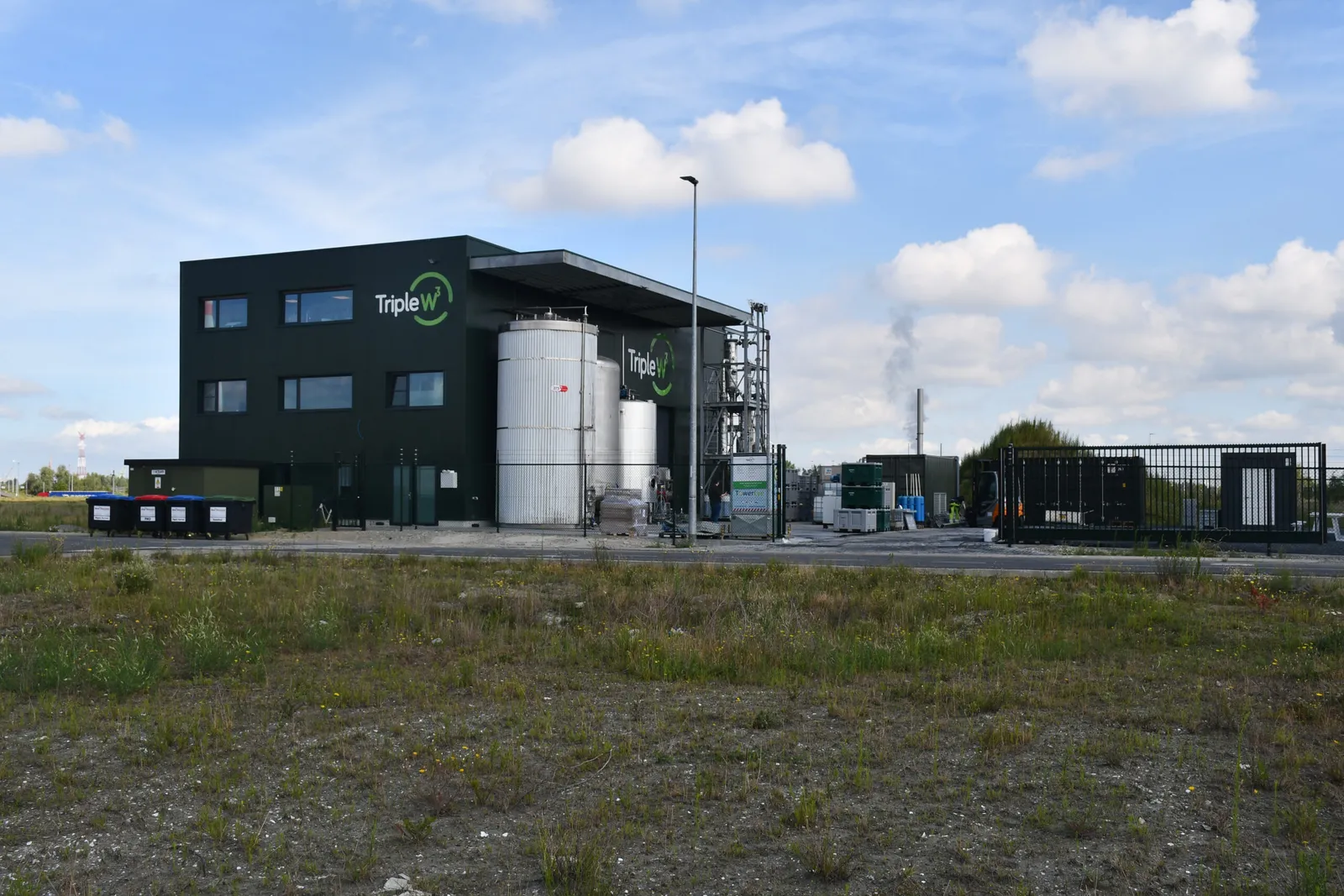
Extracting lactic acid from waste streams was long seen as the holy grail. After all, anyone who succeeds can turn a waste stream into a high-value building block for household and cosmetic products, or even bioplastics. For Tal Shapira, it is a mission he has been working on since 2015. Today, his company TripleW is the first occupant of the Next Gen District. There, he is proving on an industrial scale that it can be done. And this is only the beginning of his dream. Plans are already in place to build an even larger production unit, which is due to scale up production to 300 tonnes per day in 2027.
“It took me and my team about ten years to get the process right,” Shapira recalls. “We started by experimenting with waste from our own kitchen, until we had a proof of concept. I then toured Europe with it, eventually arriving at the Bio Base Europe Pilot Plant in Ghent. It’s a playground for taking a process from lab scale to industrial level.” This in turn led, via the European Waste2Func project, to a demo plant at Group Op De Beeck’s site in Kallo. “It was the first of its kind anywhere in the world, in an industrial setting and on an industrial scale. That was also where we first commercialised the process. Ecover made a cleaning product using lactic acid from our facilities, Circulac.”
10-tonne-a-day demonstration plant
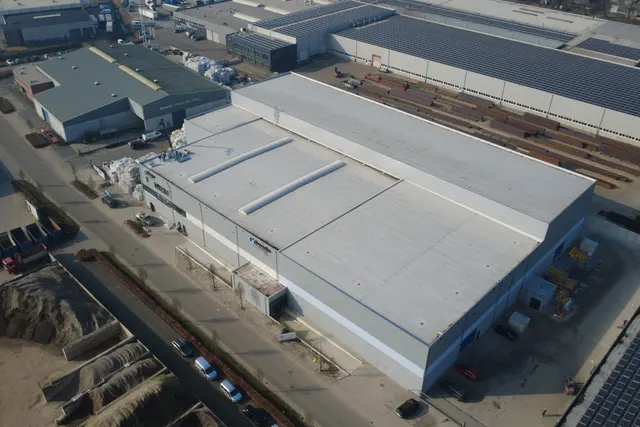
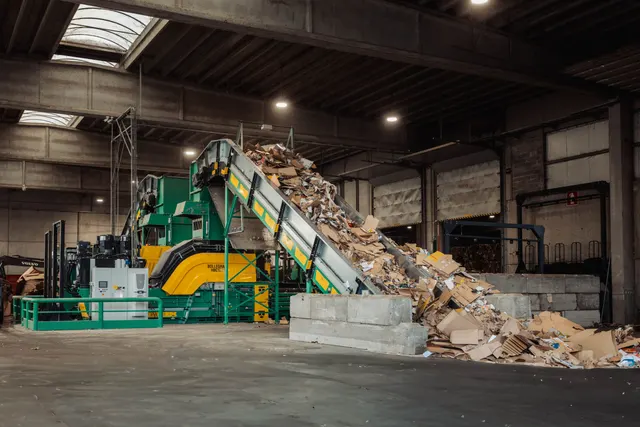
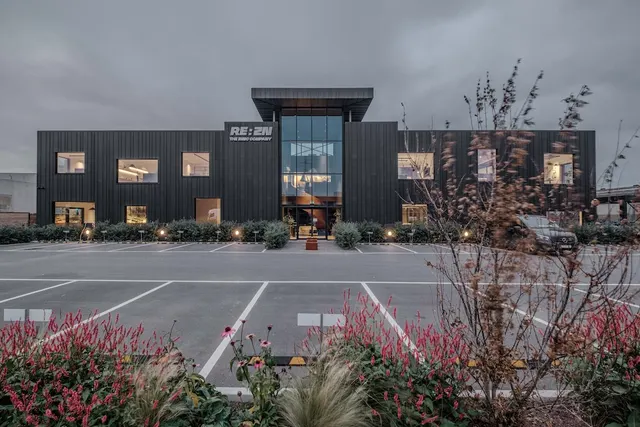
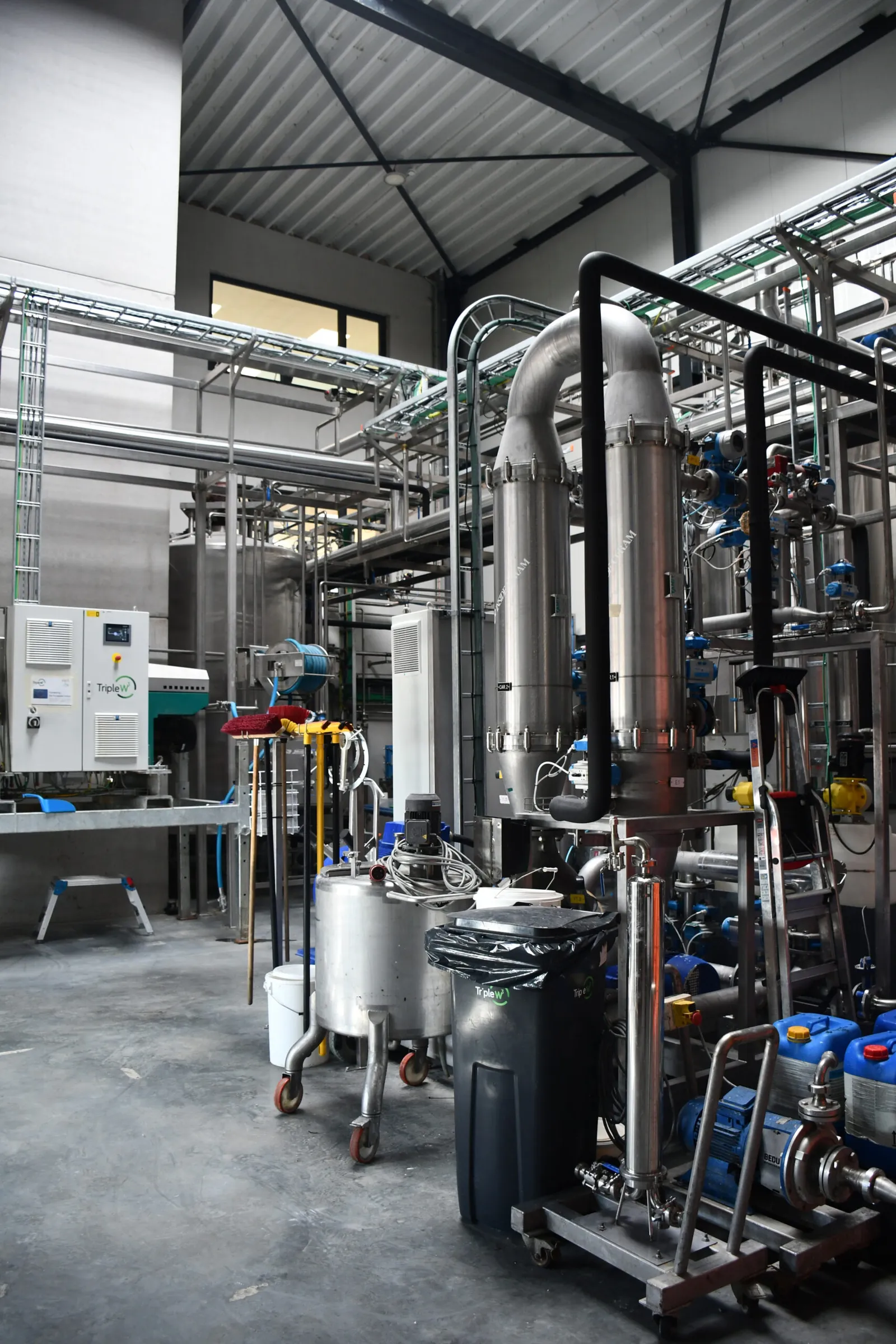
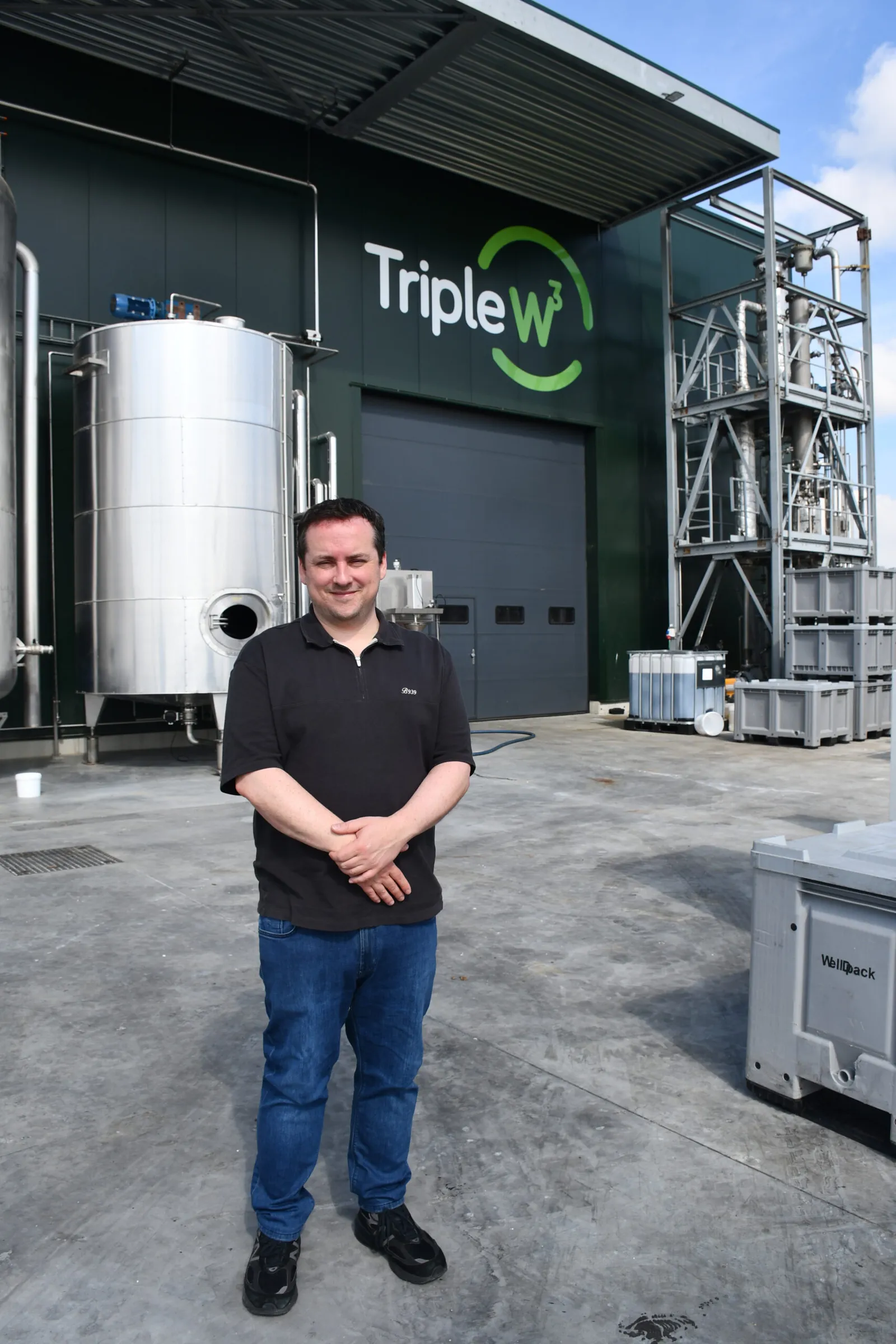
Since April this year, TripleW, whose name stands for the triple win of less food waste, fewer CO2 emissions and more lactic acid, has set up on the other bank of the Scheldt. More specifically, in the Next Gen District, a circular economy hotspot in the Port of Antwerp. “It was time to stand on our own two feet. We owe a lot to the synergies with Group Op De Beeck, but we didn’t have room to expand there.” The site on Innovatiestraat not only makes it possible to increase production to 10 tonnes per day, but also to go further and make finished products. Shapira says: “The heart of our process has two parts: fermentation, where we add our own micro-organisms to organic waste and convert it into raw materials, and purification, which turns it into high-quality lactic acid. Our R&D centre in Israel is still working continuously to fine-tune these processes. But here at the plant, we are also looking beyond that to the end applications and how we can add even more value for customers by working with other building blocks.”
Avoiding 0.7 kg of CO2 emissions
And what does that ultimately deliver? “For every kg of lactic acid produced by TripleW, we avoid 0.7 kg of CO2 emissions. It’s important to keep production costs under control. Customers are looking for more sustainable alternatives, but your price still has to be competitive. Even so, science always comes first for us. With every decision we make, we try to choose the most sustainable path. Ultimately, that will become a business driver. It has to,” says Shapira with conviction. By scaling up further, he aims to achieve both goals: lower production costs and greater decarbonisation.
Further plans
He shows us a vacant plot a little further on. “That’s where our flagship is due to be built: a plant with a capacity of 300 tonnes per day, operating 24/7. We have already secured buyers for three-quarters of its output. Now we just need to finalise the financing,” he adds. The current facility will be retained as an R&D unit for testing new ideas. And what next? “We’ve learned that the technology is highly scalable, but it only makes sense if you don’t have to arrange transport over hundreds of kilometres. Once we’ve got production here in Antwerp fully under our belt, we want to roll it out at other sites in Europe and then in the United States.
Question about this story? Ask your question
Keep following this
Get an email when a new story is published. No account needed.
- SubjectRecycling company in the spotlight