The highlights of the PPWR
Text Valérie CouplezImage iStock
The PPWR is the Packaging and Packaging Waste Regulation. This EU legislation will replace the EU Packaging Directive. In autumn, the European Council is expected to vote on the agreement in principle currently on the table. DS Smith, a provider of sustainable packaging solutions, discusses the importance of this regulation, its objectives and the differences between the existing rules and those newly proposed.
The European Commission proposed revising the PPWD in 2022, having concluded that it was not effectively addressing the growth in packaging waste or reducing the environmental impact of packaging. The Commission therefore proposed a regulation on packaging and packaging waste that is more ambitious than the previously adopted directive. The PPWR will have a significant impact on how we design, consume and dispose of packaging in the EU. This new regulation will bring far-reaching changes to the EU packaging landscape. Most packaging categories will be affected in some way by the measures in the PPWR, so all businesses need to prepare for what lies ahead.
What are the main objectives of the new Regulation?
The Regulation aims to reduce the environmental impact of packaging. It also aims to harmonise packaging rules across the EU, thereby facilitating the free movement of goods in the following ways:
- Reduce and prevent packaging waste. The PPWR aims to reduce the amount of packaging waste generated in the EU. It also seeks to restrict the types of packaging that can be used, while encouraging reusable and refillable packaging solutions.
- Promote high-quality recycling. The PPWR aims to make all packaging on the EU market recyclable in an economically viable way by 2030.
- Harmonise rules across the EU. EU-wide rules on labelling, empty space and mandatory recycled content should create a level playing field across the EU, with the same rules applying to everyone.
Waste reduction
EU countries must reduce the volume of packaging waste per capita by 5% by 2030, 10% by 2035 and 15% by 2040 (based on 2018 figures).
Labelling
Packaging must carry labels showing its material composition, EU-harmonised sorting instructions (also to be used on waste bins) and reuse instructions where applicable. Reusable packaging must carry a
QR code.
Reuse and refill
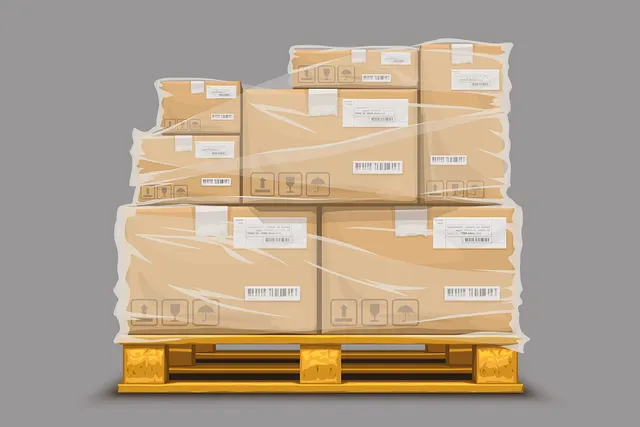
Targets have been set for the reuse and refill of different types of packaging (food and drink, grouped, transport and e-commerce packaging). Strapping and pallet stretch wrap are expected to be exempt from these targets, pending secondary legislation. From 1 January 2030:
- Only reusable packaging may be used for transport between different locations of the same company, or between different companies within the same EU country;
- At least 40% of other transport packaging (including e-commerce packaging) must be reusable in 2030. This must rise to at least 70% from 2040;
- At least 10% of grouped packaging (packaging that bundles several items together) must be reusable in 2030, rising to at least 25% from 2040;
- At least 10% of packaging for alcoholic and non-alcoholic drinks (excluding milk, wine and certain spirits) must be reusable from 2030. This must rise to at least 40% from 2040;
- Cardboard packaging is exempt from all recycling targets. The measures above therefore do not apply to cardboard.
Ban on certain packaging formats
From 1 January 2030, the following plastic packaging will be banned: shrink and bundling film used to group products; packaging for fresh fruit and vegetables weighing under 1.5 kg (with certain exceptions to be specified); and packaging for food and drinks consumed on the premises in the hospitality sector. Further bans will apply to individual sachets for sauces, jam, sugar … packaging for miniature cosmetics, toiletries and hygiene products, and very lightweight plastic bags.
Recyclable packaging
All packaging in the EU must be recyclable by 2030. In addition, all packaging must meet ‘designed for recycling’ criteria, which will be further defined in legislation. Extended producer responsibility fees will be based on recycling performance grades ranging from A to C.
Recycled content
The minimum recycled content required for plastic packaging from 2030 will increase as follows. The targets will rise further in 2040.
- 30% for contact-sensitive packaging made from PET;
- 10% for contact-sensitive packaging made from other plastic materials;
- 30% for single-use plastic drinks bottles;
- 35% for other plastic packaging.
Packaging minimisation
By 1 January 2030, packaging minimisation will become the norm. Grouped, transport and e-commerce packaging may have a maximum empty-space ratio of 50%. Packaging that misleads consumers into thinking a product is larger than it actually is will be banned (for example, double walls or false bottoms).
Compostable packaging
From three years after the Regulation enters into force, tea and coffee bags and capsules, as well as adhesive labels on fruit and vegetables, must be compostable.
Question about this story? Ask your question
Keep following this
Get an email when a new story is published. No account needed.
- ThemeMaking plastics and packaging circular
- SubjectPPWR