Sustainable solutions for transport packaging
Text VILImage iStock en VIL
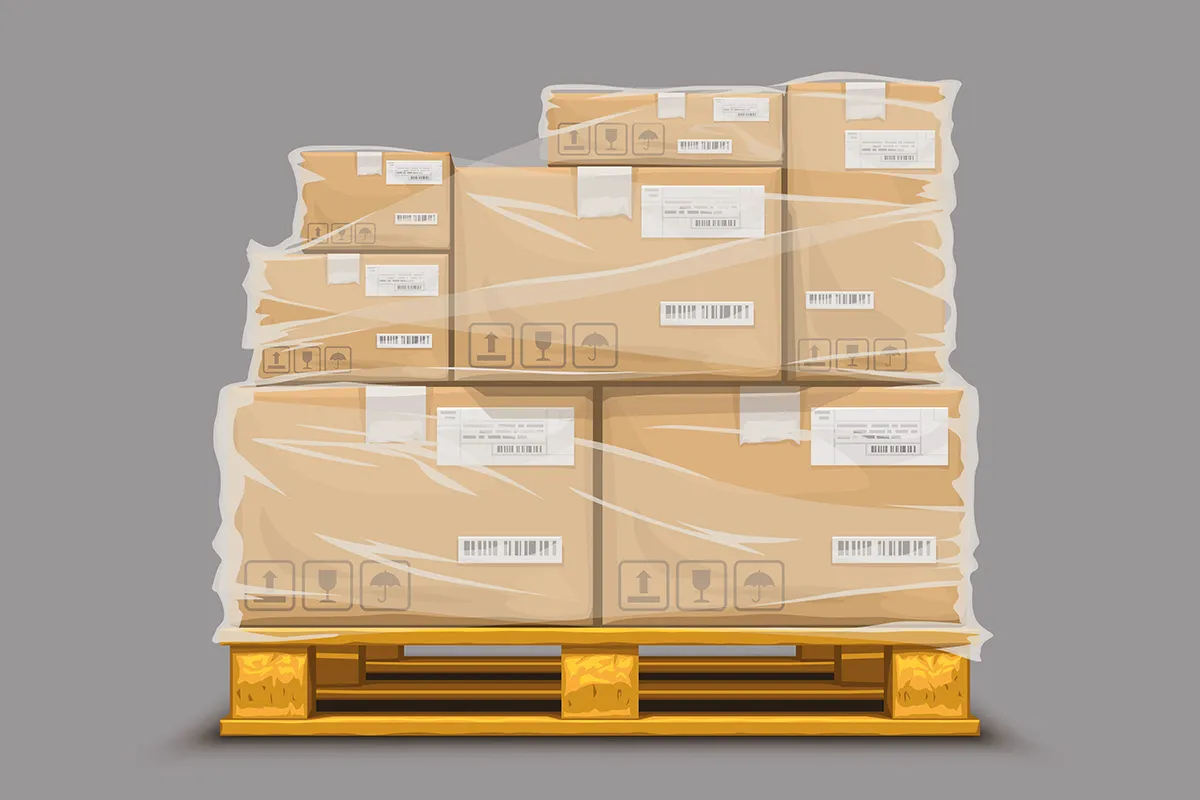
Many companies are looking for more sustainable packaging, either on their own initiative or in response to requirements from customers and the CSRD (Corporate Sustainability Reporting Directive). The new European Packaging and Packaging Waste Regulation (PPWR) also has far-reaching implications for shipping goods within Europe. Through the STRAP project, VIL aims to support companies in this search. For many businesses, the exact impact of the PPWR, for example, is still unclear, as is the feasibility of alternative solutions.
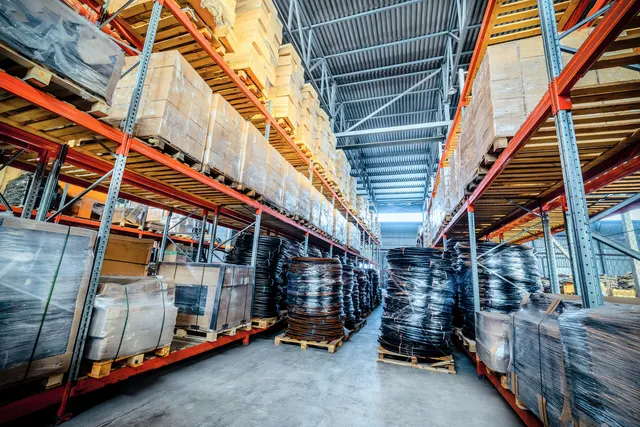
Transport packaging such as pallets, big bags and films plays a crucial role in the logistics chain. It protects goods and ensures efficient transport processes, but also generates significant waste streams. Through the new STRAP project, VIL (Flanders Institute for Logistics) is helping companies reduce packaging waste in line with the European Packaging and Packaging Waste Regulation (PPWR). This regulation imposes stricter requirements for reducing and reusing packaging. STRAP stands for LeSs TRAnsport Packaging. The initiative aims to help companies in the logistics sector develop and implement sustainable alternatives to single-use packaging without compromising on functionality or affordability. “This project offers companies a unique opportunity not only to comply with regulations, but also to take a leading role in sustainability initiatives across the logistics chain,” says Geert Verbelen, project manager at VIL.
Putting STRAP into practice
STRAP helps companies prepare for the new legislation and provides guidance on how to manage transport packaging effectively. The project includes:
- An overview of the legal framework and ESG objectives;
- An analysis of the current use of single-use packaging such as pallets, shrink film, straps and big bags;
- A ranking of the challenges and pain points involved in avoiding, reducing or reusing transport packaging;
- Finding and testing solutions, with at least two sustainable alternatives identified and tested for each application, both in the laboratory and in practice;
- Developing arguments and levers to persuade supply chain partners to make sustainable choices.
STRAP in practice
Giardino, a manufacturer of high-quality garden wire, is one of the STRAP participants. Managing director Edwin Lips says: “Our wire connects gardens, not the planet. Less packaging waste means greater responsibility, and that is what we are working towards together. Through STRAP, we hope to find practical, viable alternatives that will help us reduce our environmental footprint while complying with the new regulations.” Colruyt Group, one of Belgium’s leading retailers, is also taking part in STRAP. Bram Rimaux, Head of Supply Chain, explains: “Collaboration and standardisation in logistics projects help us tackle complex challenges more efficiently and achieve better results. Using reusable packaging, such as the Smartbox, also helps significantly reduce packaging waste, which aligns perfectly with our sustainability objectives.”
Project participants
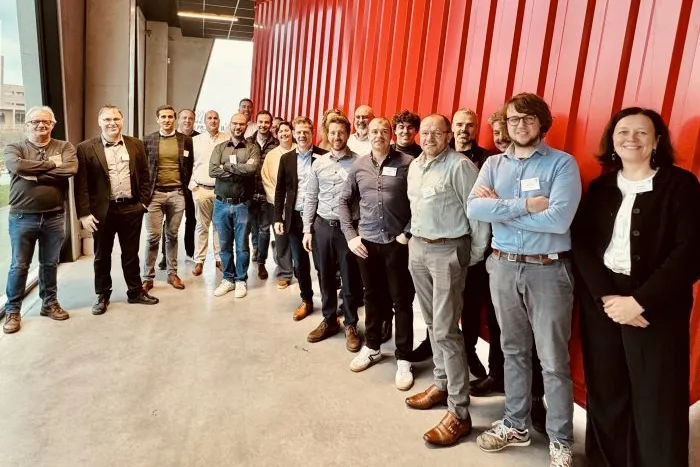
Participants in STRAP are Biscuiterie Thijs, Chep, Coca, Colruyt Group, Giardino, Katoen Natie, POM Limburg, Rotom, Scania, Topa Packaging, EVAL Europe, Twintag, Federal Mogul and Engels Logistics. VIL’s partners in the project are UHasselt and Valipac. The project is co-funded by VLAIO. It runs from December 2024 to February 2027.
Question about this story? Ask your question
Keep following this
Get an email when a new story is published. No account needed.
- ThemeMaking plastics and packaging circular
- SubjectPPWR