Corrugated cardboard, a sustainable packaging alternative
Text Valérie CouplezImage iStock
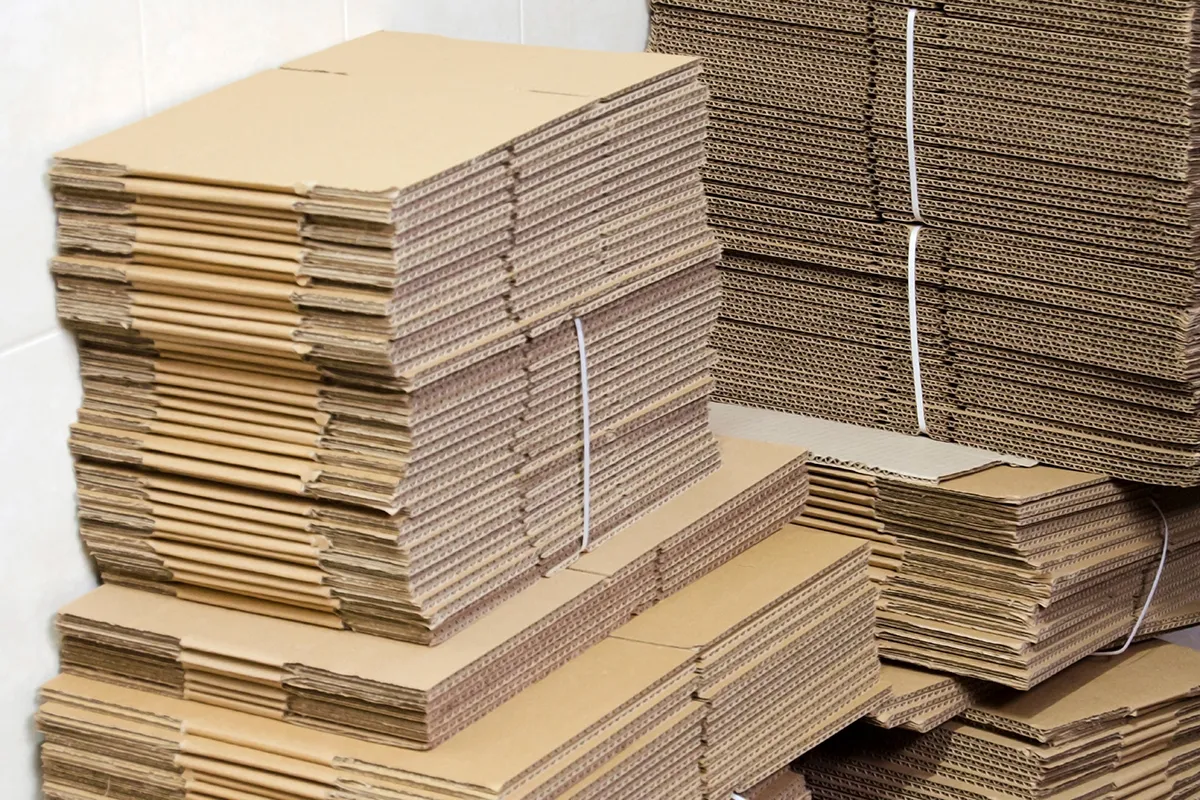
The new PPWR rules put the principles of reduce, reuse and recycle at the heart of packaging. They apply not only to plastics, which are explicitly in the spotlight, but to all packaging materials. Corrugated cardboard is the exception: thanks to its high recycling rate, it has secured exemptions from a number of targets. We spoke to VPK about why, and how it helps companies become more sustainable.
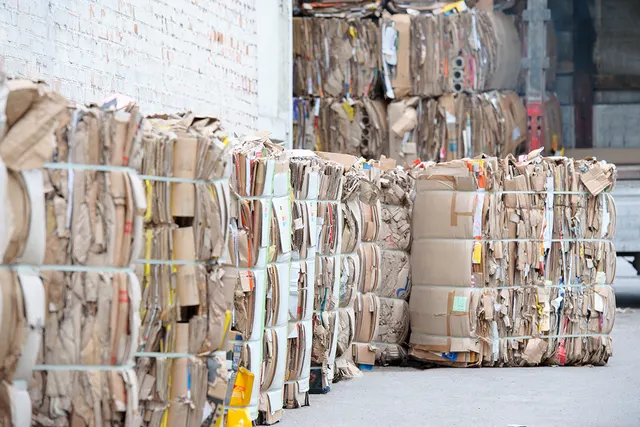
VPK remains a Belgian family business, but now operates in 21 countries and employs around 7,000 people. It processes around 1.4 million tonnes of recycled paper every year, using it to produce 2 billion m² of corrugated cardboard. The company followed the discussions leading up to the new PPWR rules closely. “The result is that corrugated cardboard has been given a somewhat special status. It is exempt from many of the obligations imposed on other material streams, such as plastics. And rightly so,” says Nikolaas Verhelst, product innovation partner at VPK. “Corrugated cardboard is a material with a high recycling rate, thanks to a long-standing recycling tradition. Today, 90% of products are recycled. The world would be a much better place if every material could boast that figure.”
Choosing the right material for the product
Should everyone then choose cardboard over other materials such as films? Verhelst leaves that question open. “Every material has its value and applications. The right choice depends closely on the product in question. What we really need to move away from is multi-material packaging. For example, combining a cardboard box with polystyrene inserts makes it difficult to find effective recycling solutions. If we can standardise more, we make things easier for everyone, from end users to recyclers.”
Packaging tailored to the product
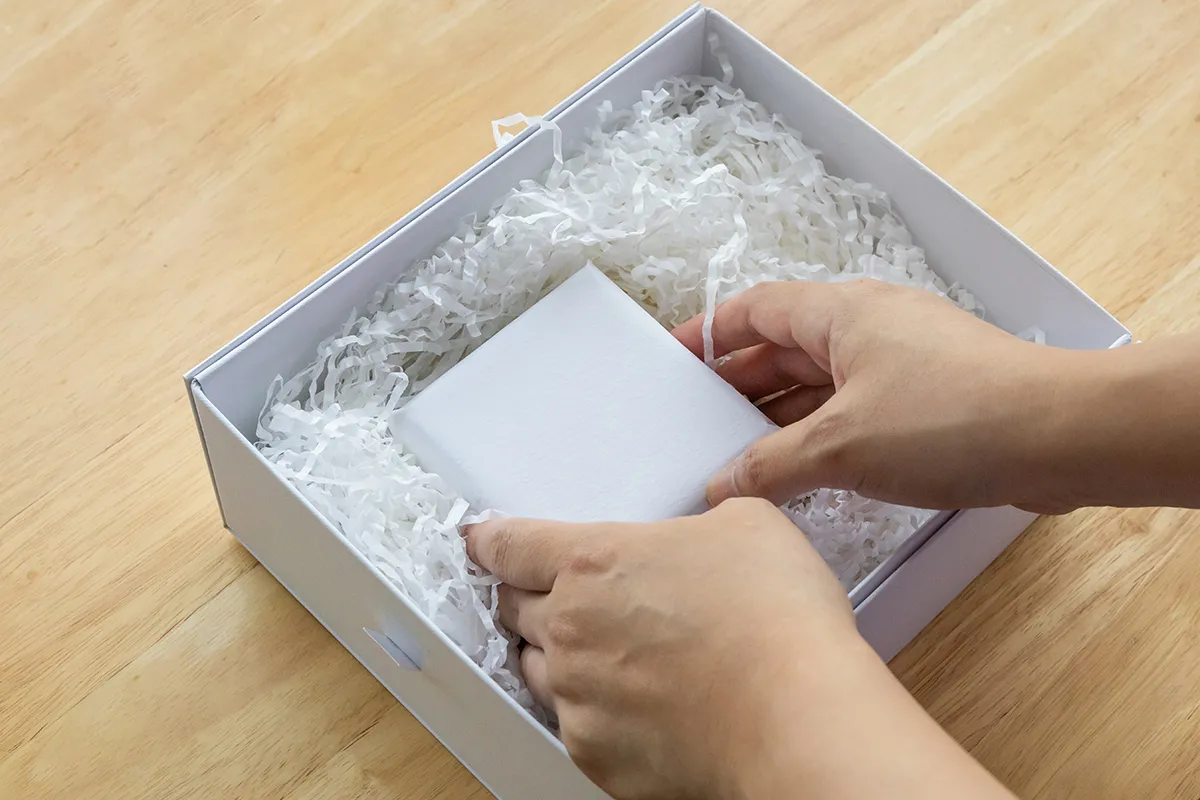
Although the new regulations will have little impact on VPK itself, the company is committed to helping its customers navigate the new requirements as effectively as possible. Verhelst says: “Companies are being asked to reduce their packaging. We have been helping them do that for years by supplying packaging tailored to their products. We don’t have a standard range: everything we make is produced to meet customers’ requirements and specifications.” This is not straightforward. “You always have to weigh material use against the primary function of the packaging: providing adequate protection. Food is a good example. Any gains from using less material are lost if the packaging is not strong enough and the product spoils as a result. It is a balancing act.”
Optimisation projects deliver substantial savings
Verhelst sees companies making a concerted effort in this area. “From multinationals to small and medium-sized enterprises, they are all looking for ways to make their packaging more sustainable. Often, packaging has become oversized over the years. We work with companies on optimisation projects to find the best possible packaging solution for their needs today. We look at the whole picture: the box concept, its shape and dimensions, the quality of the cardboard, the print on it … and how the logistics processes behind it, inbound and outbound, are organised. These projects can generate huge savings. In the past, savings were measured in financial terms; now, reduced material use and therefore lower CO2 emissions are an additional driver.” E-commerce companies still have a long way to go to meet the targets for empty space. The limit is set at a maximum of 50%. “The impact will be significant.”
Reuse less relevant for corrugated cardboard
Another route companies are currently exploring is reuse. But this is less relevant for corrugated cardboard. “Reuse accounts for only a tiny share of our sector, partly because recycling processes have developed so significantly over the years. Initiatives do exist, but they are sporadic and often confined to niche markets. It is also far from straightforward. You need to establish a viable reverse logistics system. In addition, your packaging will have to be made heavier to withstand reuse, which in turn means using more material. We are therefore pleased that Europe is not explicitly pushing corrugated cardboard in this direction. Recycling is the more appropriate route,” Verhelst concludes.
Question about this story? Ask your question
Keep following this
Get an email when a new story is published. No account needed.
- ThemeMaking plastics and packaging circular
- SubjectPPWR