Glass ready for the PPWR
Text Valérie CouplezImage FEVE
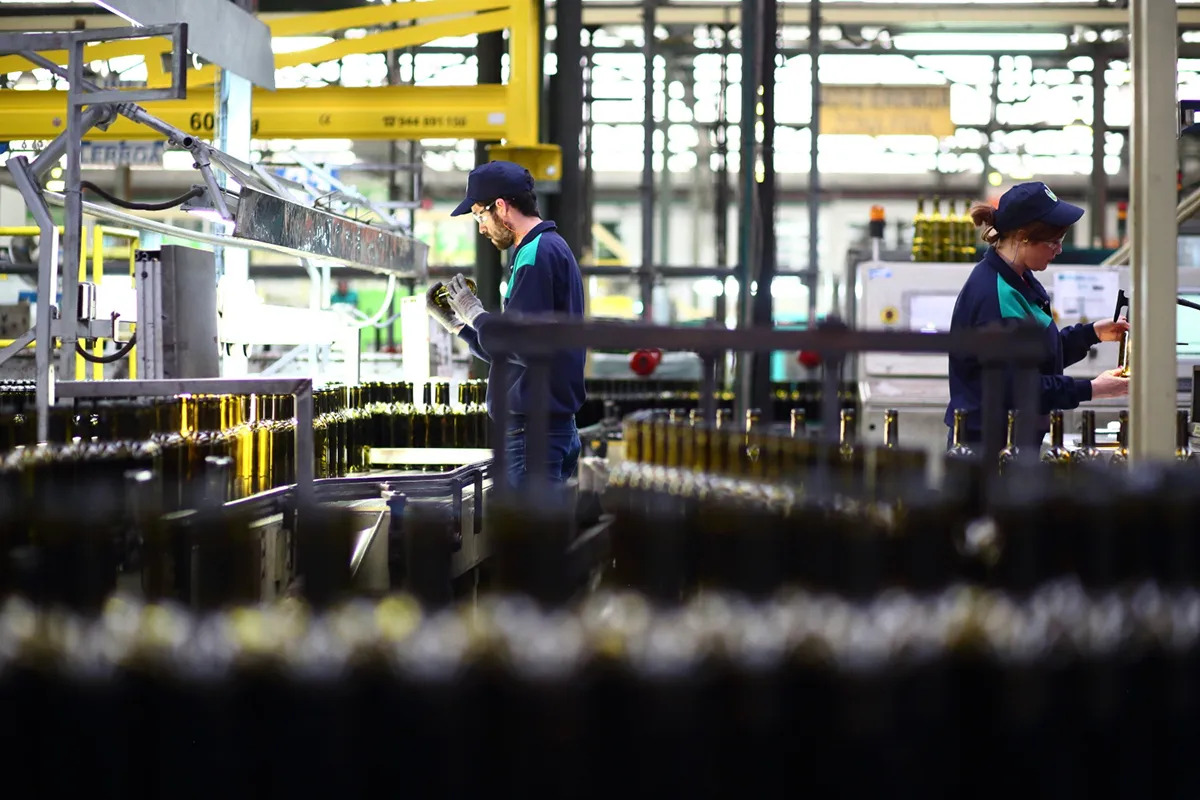
It would be fair to say that the PPWR has been a long time in the making. FEVE has been reporting on the progress made and the proposals on the table since 2022. The fact that the latest, final version still underwent a number of changes was met with applause within the European federation of glass packaging manufacturers.
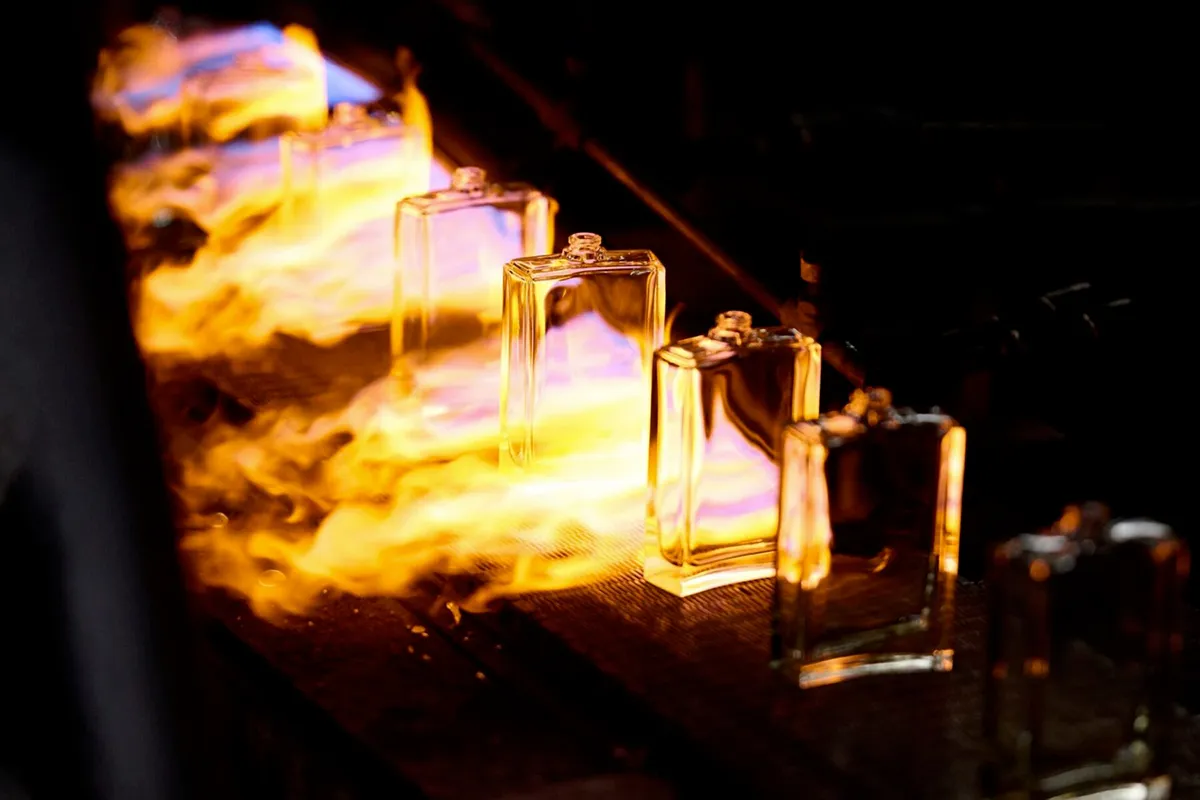
When the first signs of agreement emerged on a new set of rules for packaging and packaging waste, FEVE had already praised Europe’s ambition to take a more sustainable approach to its packaging and packaging waste. “We believe our industry has an authentic circular model that is perfectly aligned with Europe’s ambition to build a circular economy. We are proud to work with a material that is fully reusable and infinitely recyclable, while also having the properties needed to preserve products safely,” FEVE said. FEVE itself aims to be carbon neutral by 2050. 80% of the industry’s direct emissions are related to the burning of natural gas, mainly for furnaces. It is therefore seeking access to affordable, low-carbon energy.
Glass, a sustainable choice
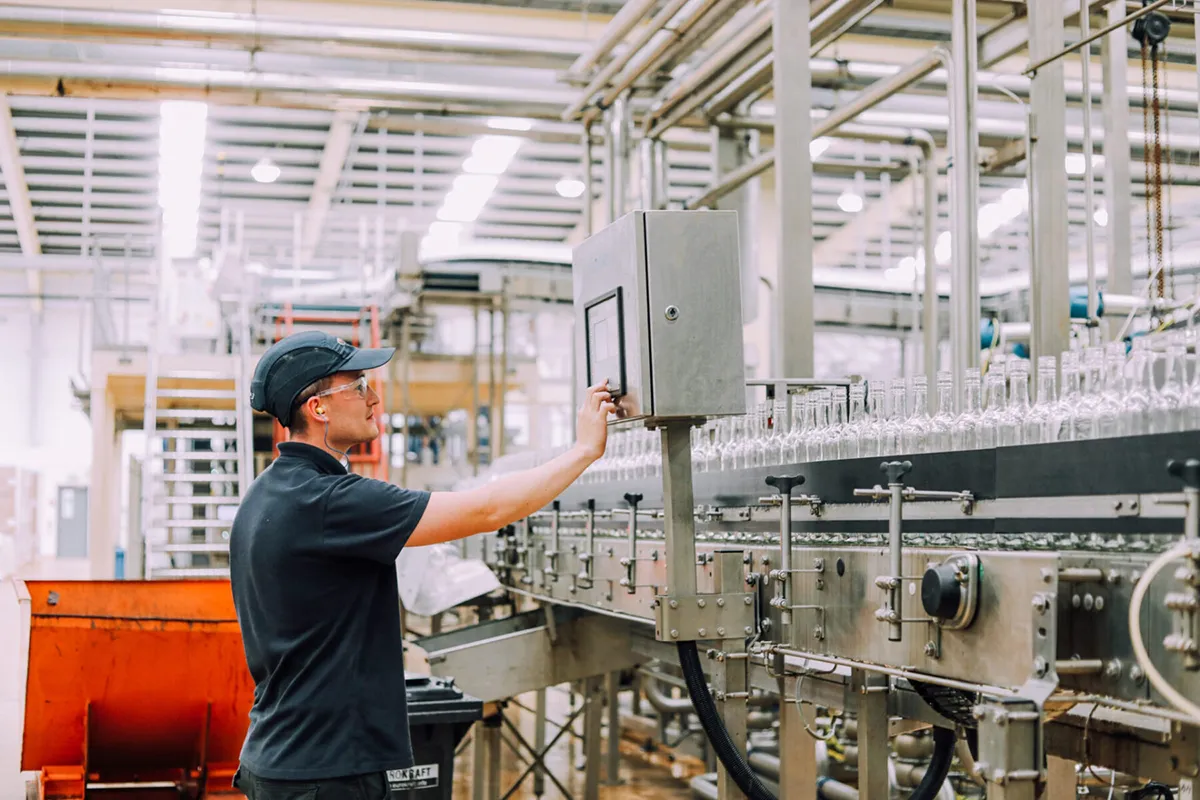
In response to the latest version, FEVE praised the PPWR for addressing the shortcomings of the original proposal. “We welcome the ambition to make the packaging sector a key player in the European circular economy. The most effective strategy for reducing packaging waste, in our view, is to switch to materials that can be reused and recycled infinitely in a closed loop. The focus should be on materials that pose a major waste challenge. We are pleased that Europe recognises that switching from heavier but inherently circular materials such as glass to lighter packaging materials that are harder to recycle or reuse is not a sustainable approach to waste reduction.
Protecting distinctive character
Packaging is an integral part of a product and, through its design, helps consumers recognise brands and make informed choices. “Unique and creative packaging shapes are a point of contact for consumers on shop shelves. We welcome the fact that the rules on packaging minimisation enable manufacturers to reduce the weight and volume of their packaging while taking account of its shape and the need to protect design rights. However, we are concerned about specific provisions that could affect the continued validity and distinctiveness of trademarks and designs.”
Greater recognition for closed loops
Nevertheless, FEVE is broadly satisfied with the new set of rules, although there is of course room for improvement. “We commend the legislative decision that all packaging must be recyclable, with the introduction of performance grades for recyclability, a positive step. The approval of ‘high-quality recycling’ and the recognition that not all recycling processes produce high-quality raw materials are significant steps forward. However, it is disappointing that the regulation does not recognise closed loops as an essential strategy for ensuring that a greater proportion of packaging placed on the market is made from recycled materials, thereby maintaining a continuous loop.
Monitoring secondary legislation
As the PPWR implementation phase progresses, FEVE will closely monitor the development of secondary legislation. “We are ready to contribute actively to ensuring that these detailed measures support both environmental objectives and the practical needs of the packaging industry. Glass remains an excellent choice for packaging because it is healthy, reusable and infinitely recyclable. Combined with our commitment to decarbonisation, glass will remain a crucial partner for brands, consumers and consumers in achieving the ambitious targets set out in the Packaging and Packaging Waste Regulation.”
Question about this story? Ask your question
Keep following this
Get an email when a new story is published. No account needed.
- ThemeMaking plastics and packaging circular
- SubjectPPWR