Saving more wood from incineration
Technology naturally plays a crucial role in recovering as much waste wood as possible for reuse. The plant operated by Bardoel marks a (provisional) high point in this evolution. The company achieves a recycling rate of 84%, putting it well above the market average. Maximising the recycling of waste wood is a step towards a circular economy, yet Bardoel faces stiff competition for waste wood from alternatives lower down the Lansink Ladder. What is going on?
Bardoel is no newcomer to wood processing. The company, based in Oostnieuwkerke, has been recycling wood for fifty years. Initially, it collected and processed sawdust and wood shavings from the woodworking industry. But the decline of Belgium’s furniture industry and the possible consequences of Brexit led managing director Stijn Herman to give serious thought to the company’s future. In 2015, he opted decisively for a new direction: the focus would henceforth be on recycling waste wood. “Our contacts with Unilin had taught us that quality is the deciding factor. That applies to waste wood too. It determines the dividing line between what can be reused and what is only suitable for incineration with energy recovery. By cleaning the wood as thoroughly as possible, we wanted to create as much value as we could.”
Recycling rate of 84%
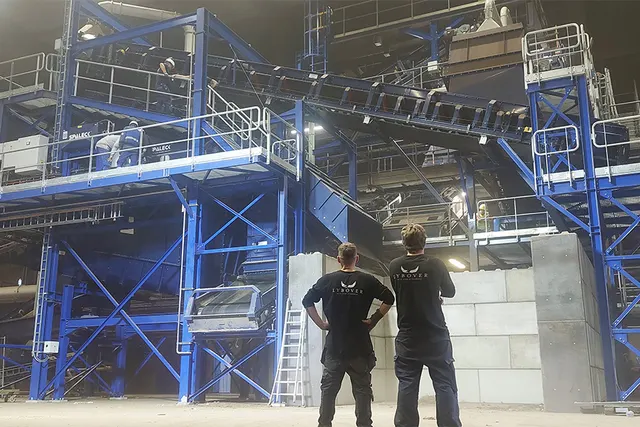
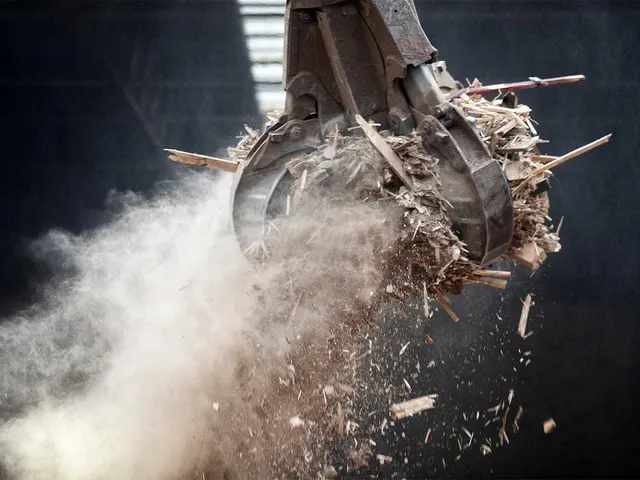
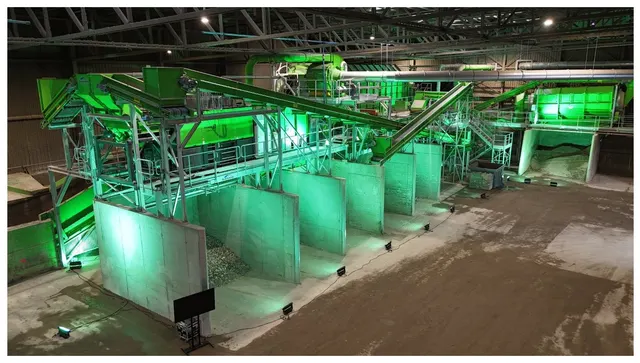
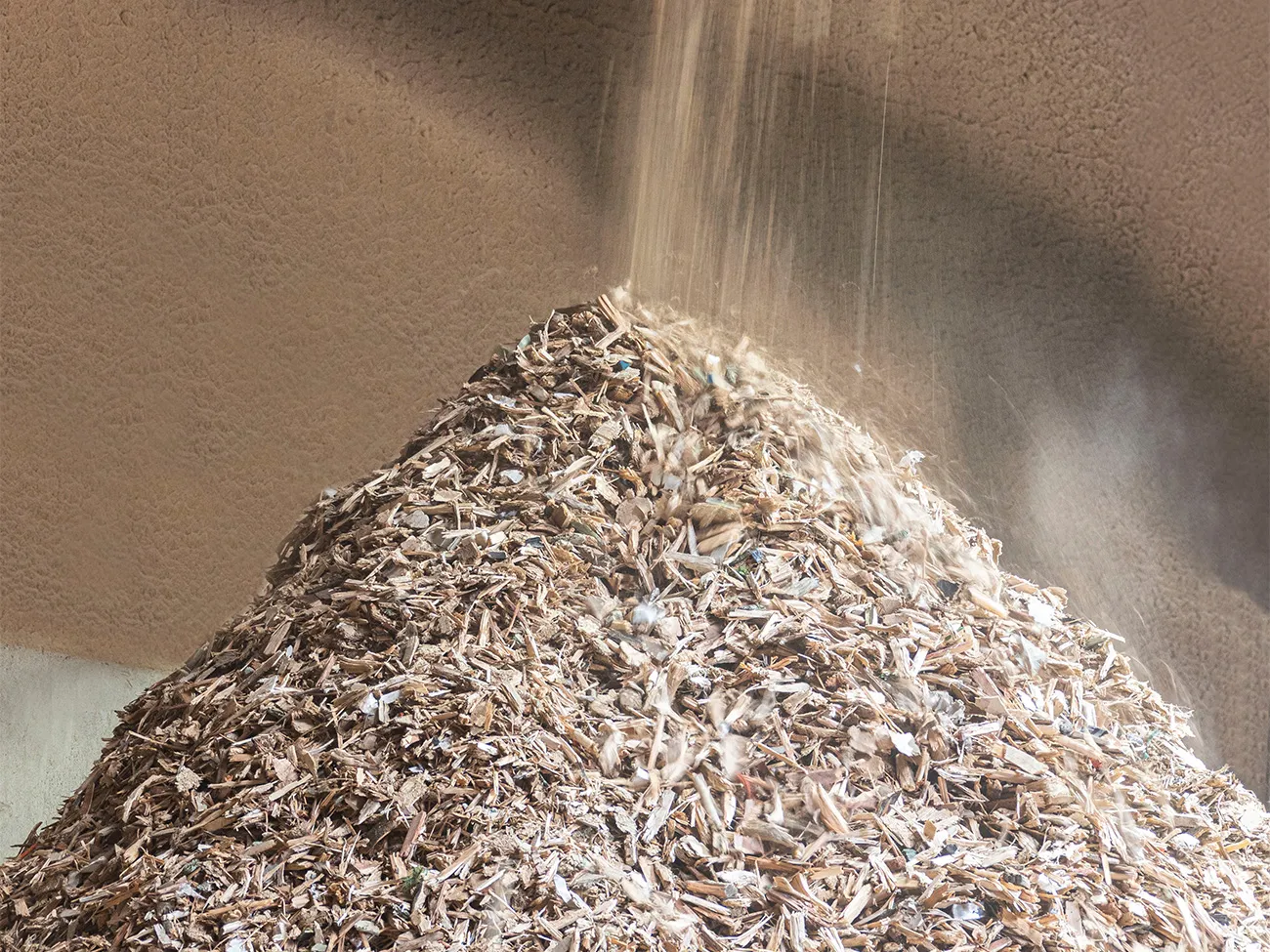
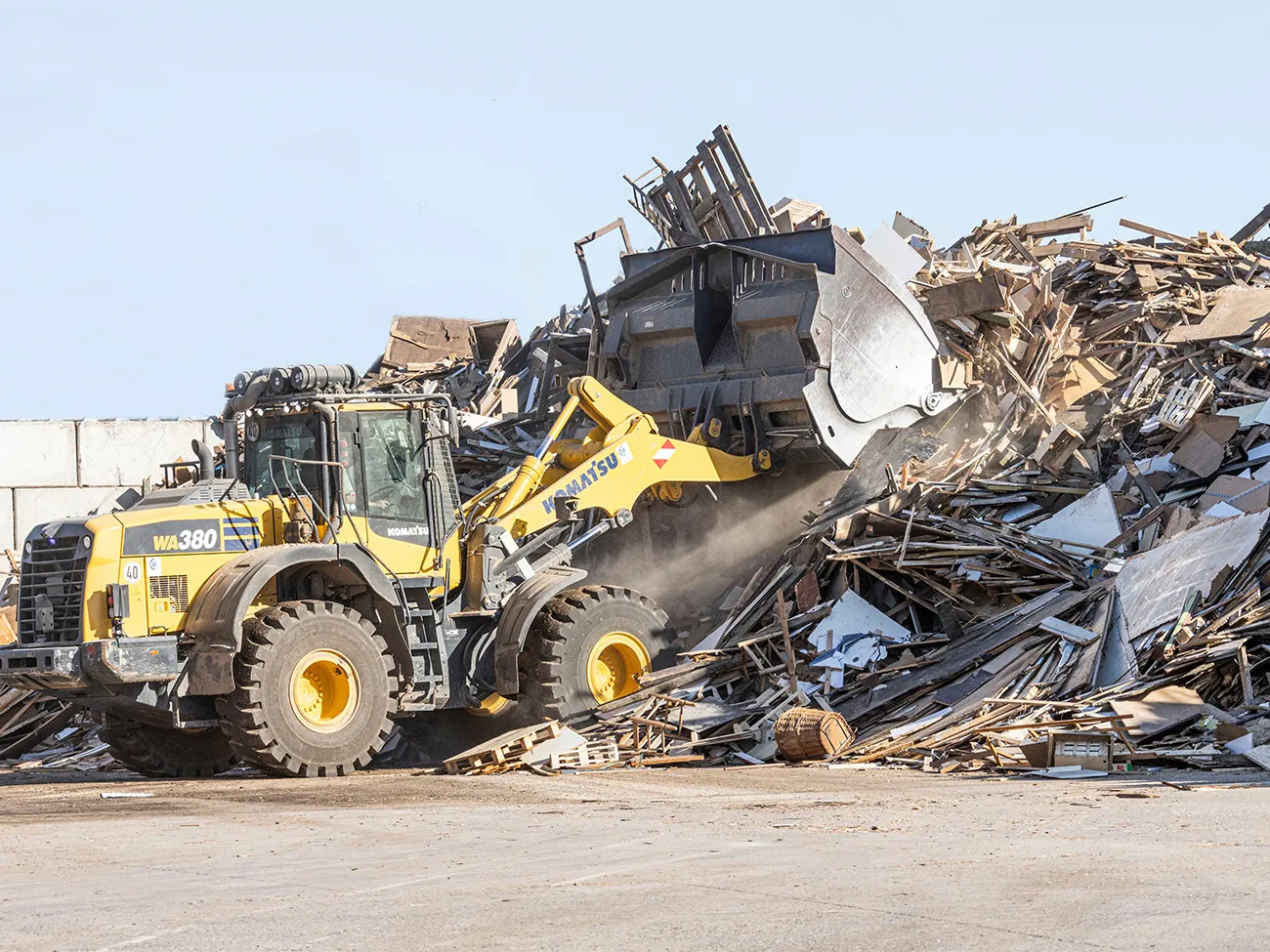
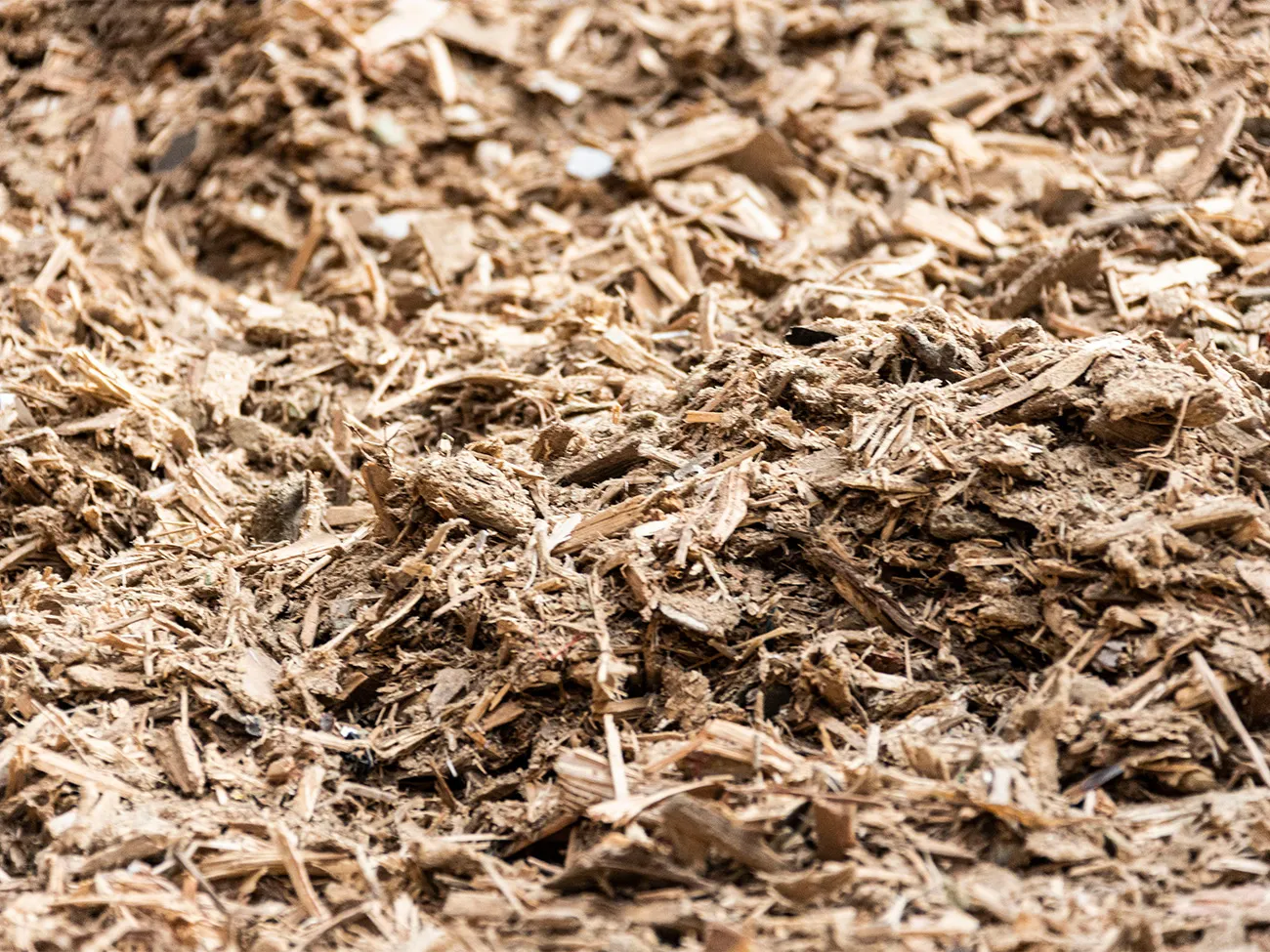
It is a story of ambition and patience. To realise his plans, Herman had to develop his own machinery and technology that went beyond what the market had to offer. “Building our line took about five years and cost five million euros. The starting point is to keep the material as large as possible and only granulate it later. More cracking than crushing, in fact. Only then do we remove the contaminants. The know-how involved relates to optical sorting techniques, but we also had to teach the machines what is recyclable.” Bardoel no longer worked with fine wood, but instead processed pieces of wood from recycling centres and businesses. A varied mix of so-called solid wood, boards, MDF and more, which is cleaned on the line in Oostnieuwkerke and separated into different fractions. “Today, the plant is fully operational and, through continuous improvement, we achieve a recycling rate of 84%. That figure is not plucked out of thin air. We had it monitored and certified by an independent body for a full year. We believed in our capabilities and wanted to prove them to the market in black and white. We can recover and valorise far more from this waste stream than our competitors,” says Thomas Loyson, responsible for Wood Procurement at Bardoel.
Competition for waste wood
The line may be slower than the conventional alternatives on the market, processing 25 tonnes per hour rather than 80 tonnes per hour, but it can achieve maximum separation. Herman says: “That is what we should be striving for in the market if we want to move towards a circular society, as Europe and Flanders are asking us to do. That is also why we invested so heavily: we believe we can make a difference in the world.” Despite the environmental benefits Bardoel can offer, it is facing increasingly stiff competition. “Wood is traditionally divided into so-called A-grade wood, which can be recycled, and so-called B-grade wood, which is too contaminated and can only be incinerated with energy recovery. But the regulations do not specify exactly where the dividing line lies. Too much wood is currently going to incineration. We are proving that much more wood can be recycled, but it is becoming increasingly difficult to secure waste wood. We no longer have enough to run our line every day, because the arrival of new wood-fired incineration plants has created an imbalance in the market. We are licensed to process 70,000 tonnes of waste wood, but in 2021 we could no longer secure even 60,000 tonnes, and the wood-fired incinerators have not even started up yet,” Loyson says.
Better regulation needed
Herman compares the situation with that of residual waste in the past. “It was only when the tax on incineration plants was increased that we all started paying more attention to sorting and separate collection. Wood-fired incineration plants now benefit from green electricity certificates. The opposite of higher taxes, in other words. And of course they are an important final link in the chain, because there is still material that cannot be reused. Incinerating it sustainably can recover green heat. We certainly welcome that. But it is a shame that less wood is now available for recycling and reuse. This needs to change through sound, clear legislation and new economic rules that provide greater incentives for recycling than for incineration.” For example, Loyson argues that the recycling rate of materials should be taken into account in public tenders. “Some intermunicipal associations are already taking this kind of initiative. That is clearly a step in the right direction.” Discussions are also under way with OVAM to establish clearly defined regulations for waste wood.
Turning environmental ambitions into action
Herman believes it is time to turn our environmental ambitions into action and make the right choices. “I believe I have done that with my company. Our technology is also available to third parties that want to put the circular economy first. Together with Unilin, we have the largest waste wood processor in Flanders on board. Our ability to recycle so much is thanks to their expertise in turning waste wood into new particleboard. What they do is remarkable. The material we recover does not even need to cross a border. We can close the loop here at home. Surely the whole chain should be doing everything it can to make that happen?”
Question about this story? Ask your question
Companies in this story

Keep following this
Get an email when a new story is published. No account needed.
- ThemeCircular construction and demolition
- SubjectWood waste
- CompanyOVAM