Optimising a green power plant
Text and images Lybover
Tackling problems at source
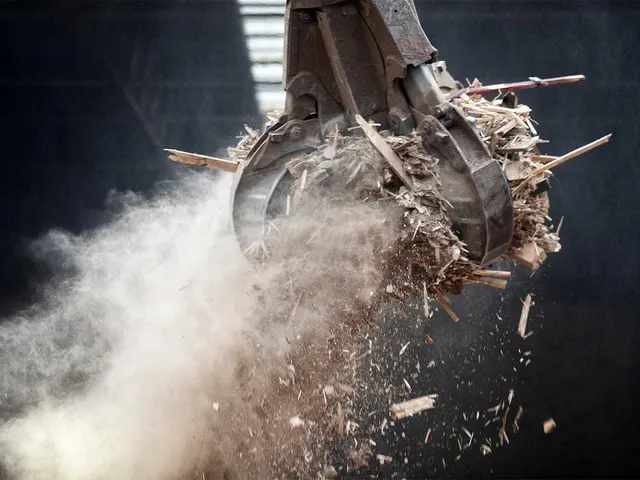
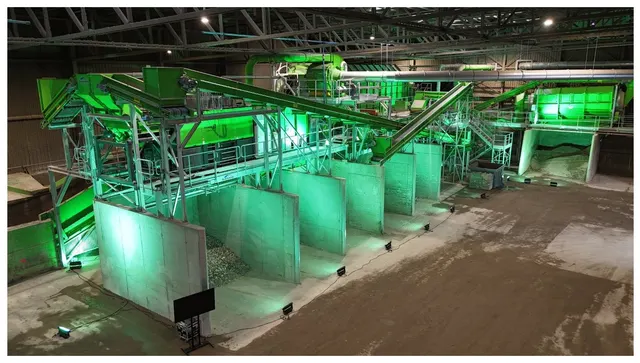
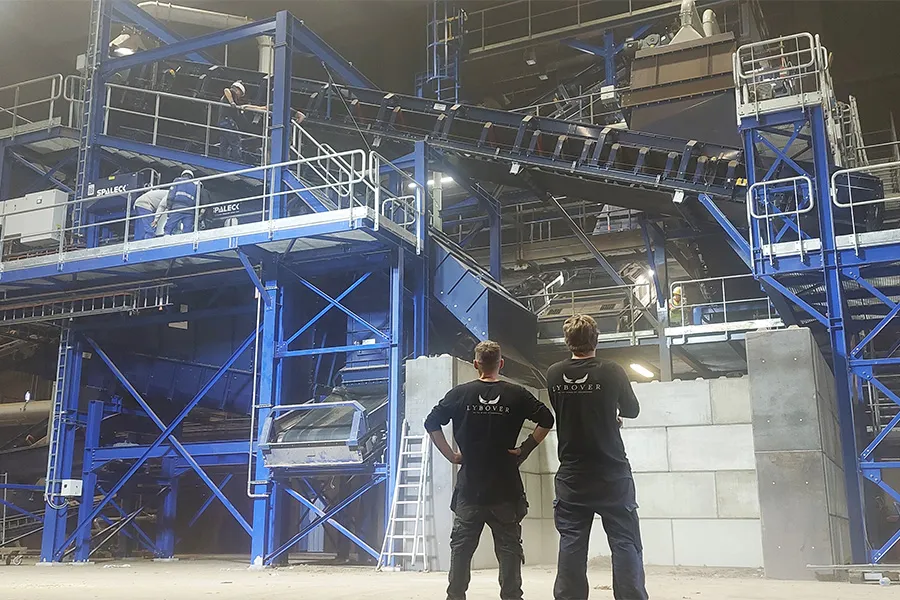
The composition of non-recyclable waste wood can vary considerably today. This posed a challenge for A&S Energie, which produces green energy from waste wood. The energy company called in Lybover to optimise the feed and processing operations at its green power plant in Oostrozebeke. Four Lybover units joined forces to develop and implement a new concept for the existing installation. A complex project, but one well suited to Lybover.
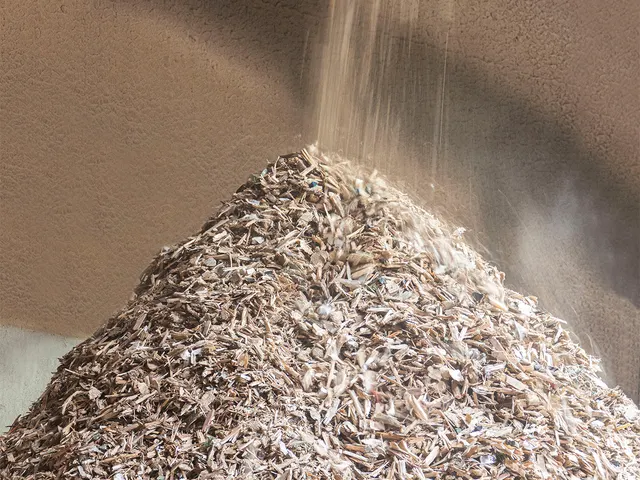
At its green power plant in Oostrozebeke, A&S Energie processes non-recyclable waste wood into green electricity for 55,000 households in and around the municipality. The company uses state-of-the-art technology to process biomass, meeting the strictest standards. “The green power plant in Oostrozebeke runs 24/7, for more than 8,000 hours a year. If feed and processing are inefficient and the plant is brought to a standstill by an unplanned shutdown, it costs A&S Energie money,” says Lars Van Volsem, Sales Engineer Projects at Lybover RECYCLING. The biomass supplied, in this case non-recyclable waste wood, comes in a range of particle sizes. Too much fine material and dust cause wear further down the line, while oversized pieces can cause blockages. In future, A&S Energie also wants to process more fractions that are less well defined.
The solution, the test and the trust
Van Volsem: “At the heart of our proposed solution was a 3D combi screen from our German partner Spaleck. The new screen can solve both the wear and blockage problems caused by the fine fraction in one go: it removes both fine dust and oversized pieces from the process.” To convince A&S Energie, Lybover took the energy company to Germany. “There, we carried out a test using material from A&S Energie. This gave the customer the chance to get to know the product and see for themselves the actual particle size distribution of the biomass. It was a real eye-opener, and gave us the trust we needed to get started on the optimisation.”
Improving biomass feed and processing
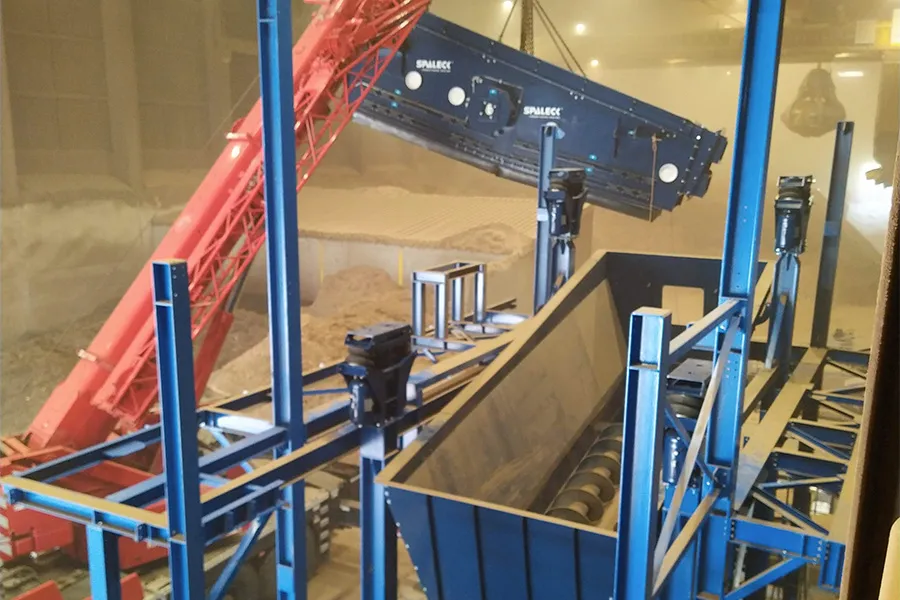
The existing set-up consisted of two redundant feed lines that carried the waste wood on conveyor belts to a main line and a secondary line. There was also a line for transporting briquettes, which was no longer in use. The new screen was one part of the solution, as other upgrades to the existing installation were also needed. “The complexity lay in integrating the new screen into the existing process,” Van Volsem explains. “This required extending the existing belts and diverter gates, and adding new conveying systems, including an additional conveyor belt, a moving floor and a screw conveyor. These were fitted with ceramic, wear-resistant lining to A&S standards. The disused briquette line was brought back to life and now carries away the fines. This makes optimum use of the existing set-up and minimises the impact on logistics. Additional pipework and transition pieces ensure efficient dust extraction.”
3D scanning provides a clear picture
Developing a concept is one thing, but how do you convince the customer that it can be seamlessly integrated into its existing green power plant? Thierry Sabbe, Teamleader Projects Lybover AIR: “3D scanning makes everything very visual, which was necessary given the compact layout. We also enabled A&S Energie employees to walk through the installation in virtual reality. They could virtually visit every access hatch and check how accessible it was.”
Thorough preparation, short delivery time
Sabbe is convinced that meticulous preparation enabled Lybover to complete the optimisation of the green power plant within a very short timeframe. “We had to work around a two-week production shutdown. That meant working shifts for us.” Van Volsem adds: “The tight deadline was a challenge, as was the limited space in the installation, and other maintenance work was taking place at the same time. It was a pretty stressful situation. But we are used to complex projects. And because we had already completed the full preparatory phase, the customer trusted that the conversion would go smoothly.”
One-stop shop: four units join forces
Another factor that worked in Lybover’s and the customer’s favour was that this was an all-in project involving close collaboration between four Lybover business units: RECYCLING, AIR, BULK and INSTALLATION. Lybover RECYCLING took the lead and came up with a concept for integrating the screen. Sabbe worked with the other units on the engineering. Lybover AIR was responsible for dust extraction, reusing an existing filter for the purpose. Lybover BULK supplied the conveyor belts and other mechanical conveying solutions. Lybover INSTALLATION’s fitters handled the on-site assembly. Lybover is now back at the Oostrozebeke site. “The casings of the two elevators that fill the day bins, each around 35 m high, were also renewed during a two-week production shutdown. This presented another major scheduling challenge. And perhaps the strongest endorsement of all: A&S Energie is looking at whether it can apply the improvements made at its Oostrozebeke facility at its other sites.
Question about this story? Ask your question
Keep following this
Get an email when a new story is published. No account needed.
- ThemeCircular construction and demolition
- SubjectWood waste