Construction & demolition waste
Rely on recognised experts to guide you through environmental legislation
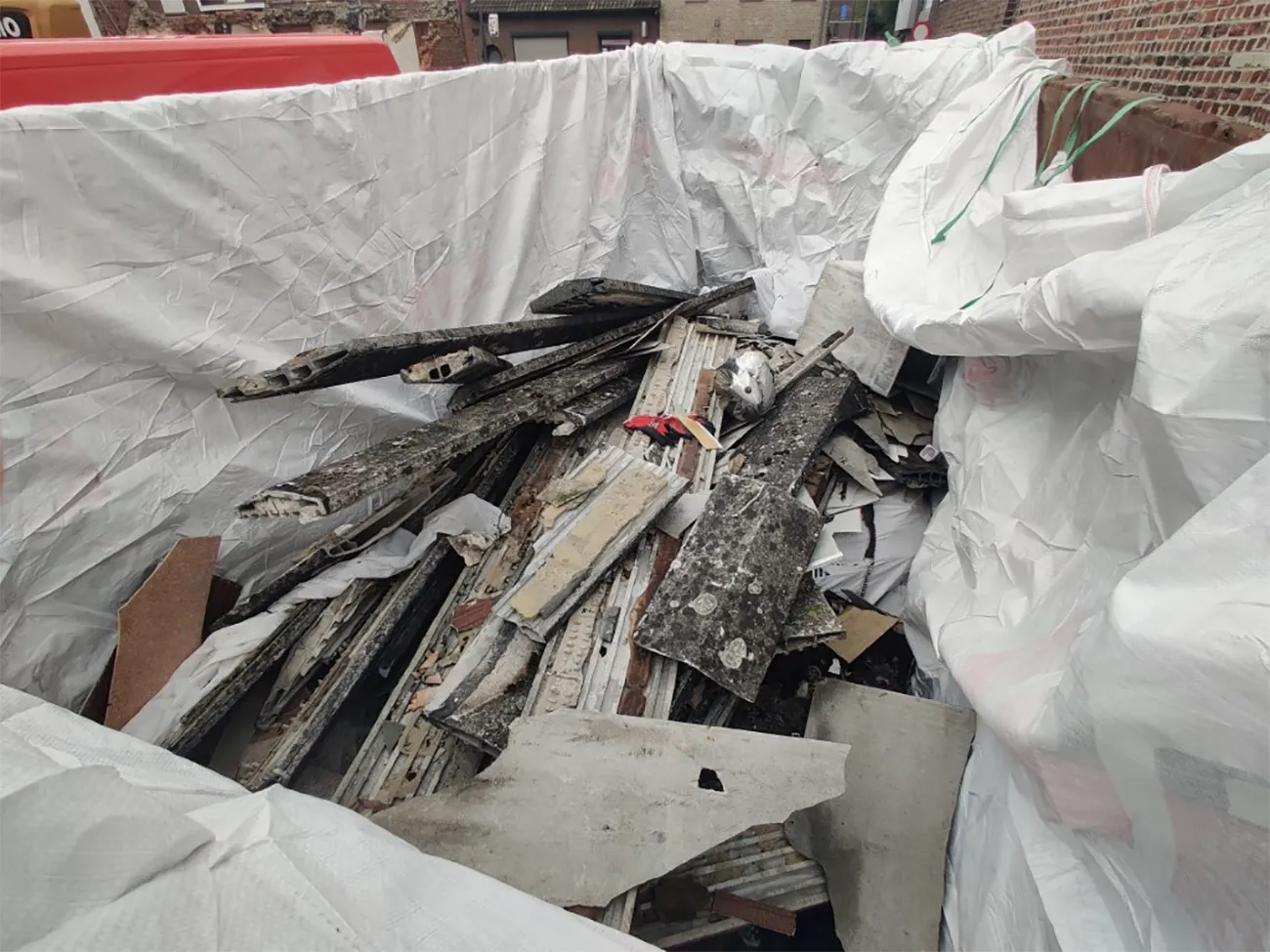
Profex, part of United Experts, is a consultancy that advises businesses, SMEs and industry across three key areas of expertise: the environment, soil and energy. In this article, Seppe Van der Stoelen, an expert in the asbestos and demolition waste department, discusses the issue of asbestos in the context of the revised environmental legislation due to come into force in Flanders from November 2022, and the revival of the demolition sector.
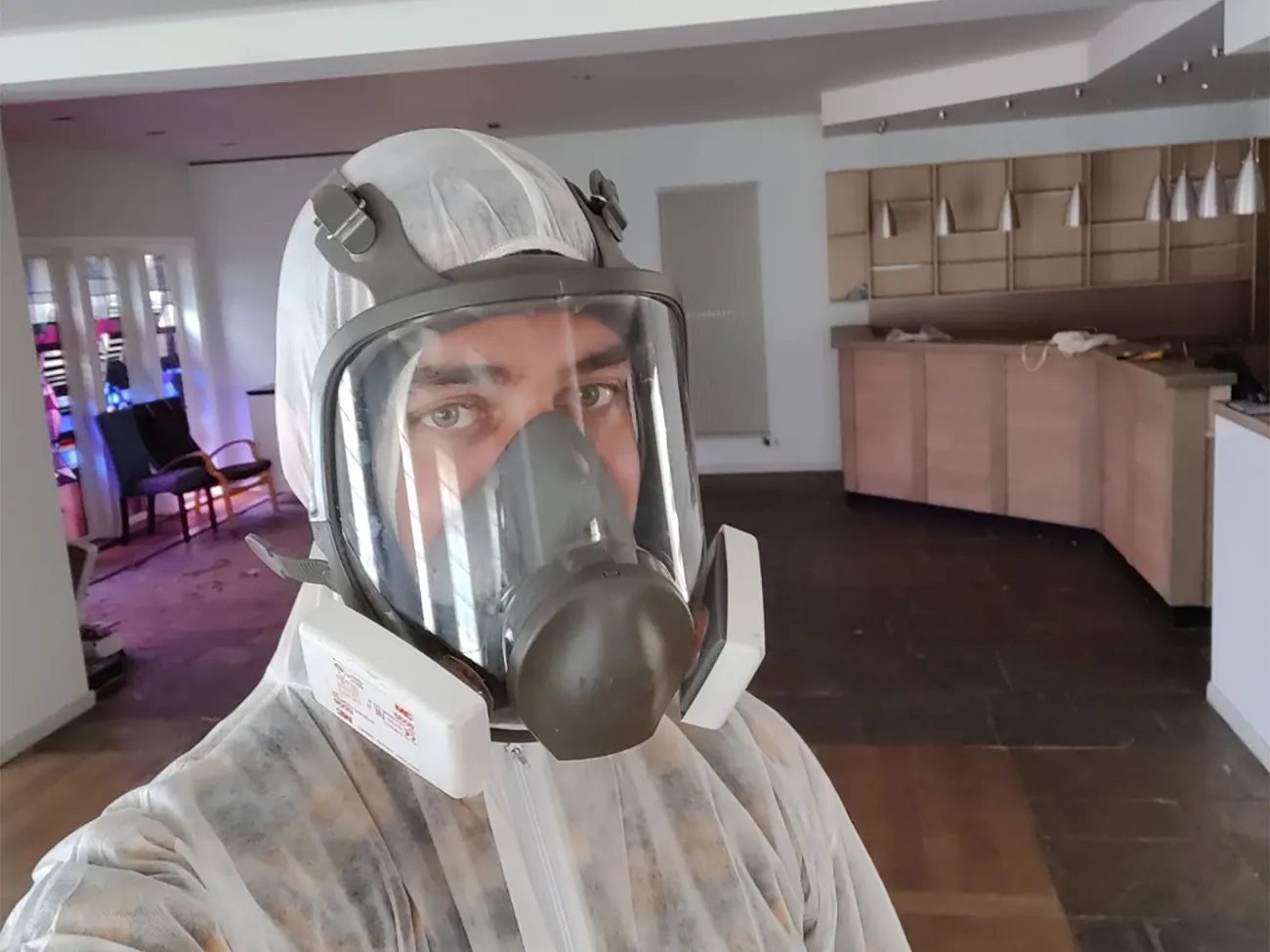
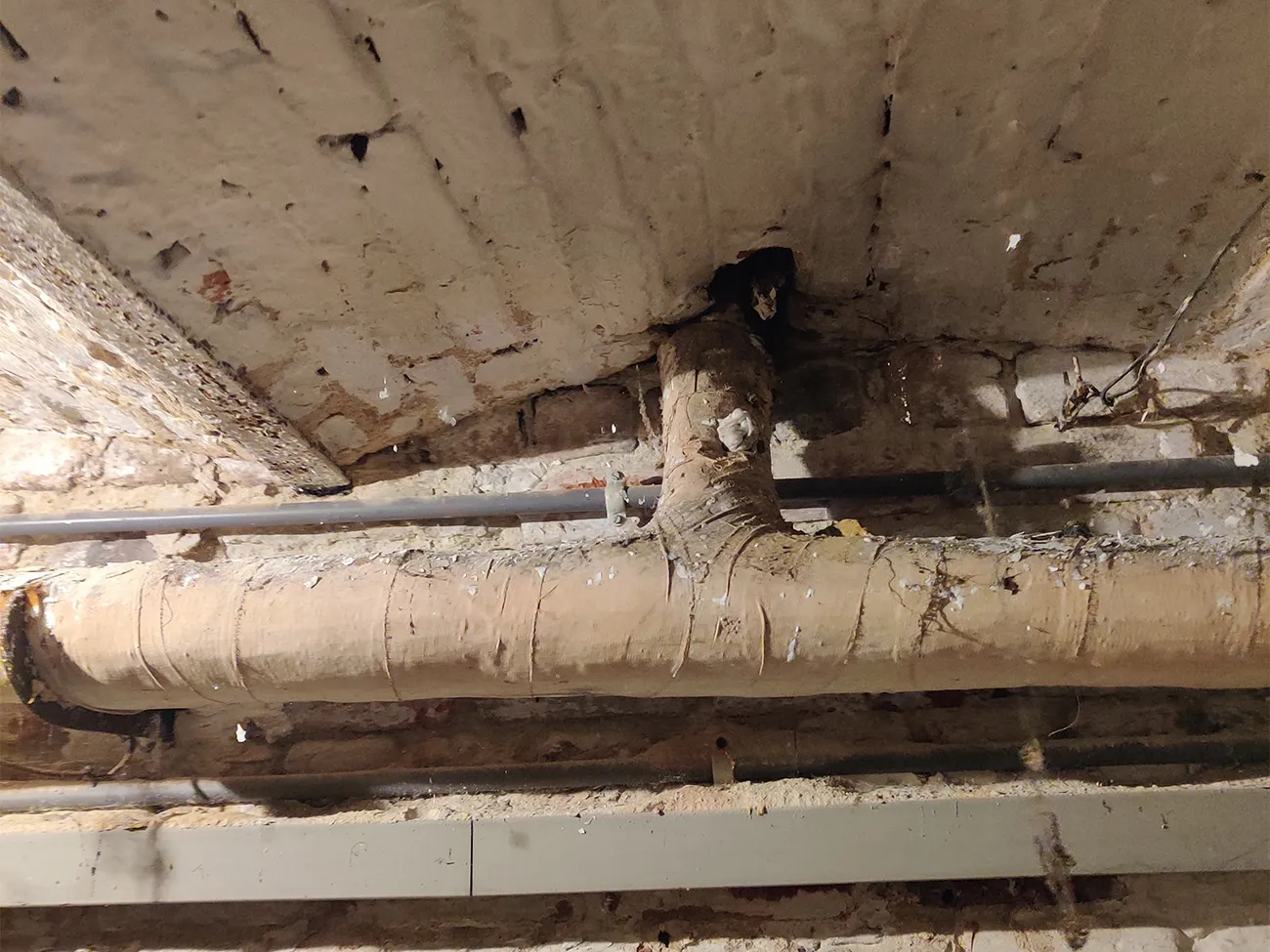
It is widely known that asbestos is harmful to health. Where asbestos is present, we therefore want to protect ourselves from the dangers it poses. It is identified through an asbestos survey carried out by a qualified and certified asbestos expert. The presence, location, condition and risks of asbestos-containing materials are recorded in the asbestos certificate. This certificate is the result of a properly conducted asbestos survey.
When is it mandatory?
In Flanders, an asbestos survey is mandatory in three cases:
- Under the ‘Codex inventory’, employers must protect employees from the risks posed by asbestos-containing applications, in accordance with the CODEX on wellbeing at work.
- For demolition, renovation and dismantling works, a destructive asbestos survey must be available to support selective demolition. The survey is often included in the demolition follow-up plan.
- From 23 November 2022, an asbestos certificate must be included in every sale dossier for an accessible structure built before 2001.
“The intention is to include the asbestos inventory in the future ‘Woningpas’. The Flemish Government aims for every building owner to have an asbestos certificate by 2032 and for homes in Flanders to be completely asbestos-free by 2040. We are talking about a potential 2.5 million homes,” Van der Stoelen explains.
The demolition follow-up plan
In Flanders, a demolition follow-up plan must be included with the environmental permit for the demolition of non-residential buildings with a volume of more than 1,000 m³, residential buildings with a volume of more than 5,000 m³, and infrastructure works with a volume of more than 250 m³. The plan includes a destructive asbestos survey. “In short, an asbestos survey followed by a follow-up plan provides a complete inventory of the building to be demolished or renovated,” Van der Stoelen summarises.
The demolition management process
For large projects where a demolition follow-up plan is mandatory and the building volume is >1,000 m³, the plan must be submitted to the demolition management organisation, tracimat vzw. This organisation checks the plan and monitors the demolition work through inspection reports and weighbridge tickets. At the end of the process, a demolition certificate is issued. This certificate proves that the demolition work was carried out in accordance with the rules. What is the basis for issuing this certificate? “The demolition expert visits the site during or just after asbestos removal and completes a checklist indicating whether the work is being carried out correctly and selectively. This checklist forms part of the preliminary inspection report. The report is required to obtain processing authorisation and remove the rubble. Once the work has been completed and all materials removed, the weighbridge tickets and other administrative documents must be submitted. The preliminary report is then supplemented to produce a final report. This final report is required to obtain the demolition certificate,” Van der Stoelen explains.
Practical implications
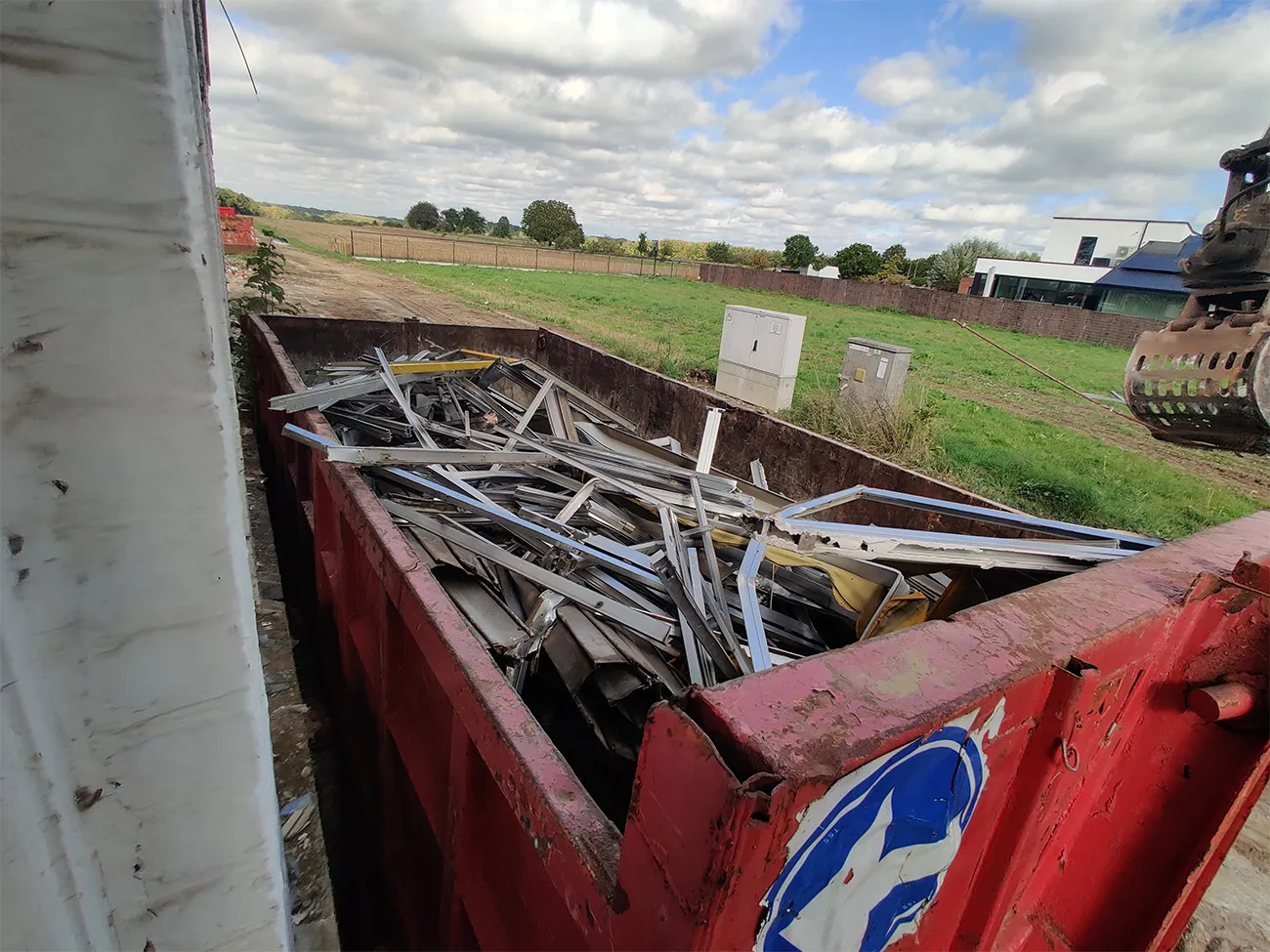
The entire procedure, comprising the asbestos certificate, demolition follow-up plan and demolition management process, makes it possible to remove hazardous waste such as asbestos before demolition work begins. In addition, the demolition follow-up plan allows clean fractions of rubble to be taken directly from the site to an authorised processor, such as a recycling centre or crushing facility. If a site is managed by Tracimat, the rubble can be taken to a crushing facility as a low environmental risk profile (LMRP), which is more cost-effective for the demolition contractor. Since all uninspected dossiers/sites are considered non-selective and their rubble must be removed as a high environmental risk profile (HMRP), removal costs will inevitably rise significantly. “As recognised demolition experts, we can assist demolition contractors with drawing up the demolition follow-up plan and guide them through the entire process. Our knowledge of materials and experience in demolition work make us the ideal partner for preparing a well-substantiated demolition follow-up plan. We ensure that demolition work can be carried out without a worry,” concludes Van der Stoelen.
Question about this story? Ask your question
Companies in this story

Keep following this
Get an email when a new story is published. No account needed.
- ThemeCircular construction and demolition
- SubjectConstruction & demolition waste
- CompanyProfex
- CompanyUnited Experts Group