Construction & demolition waste
Urban mining: more than a buzzword
Text Els GoethalsImage VSOR
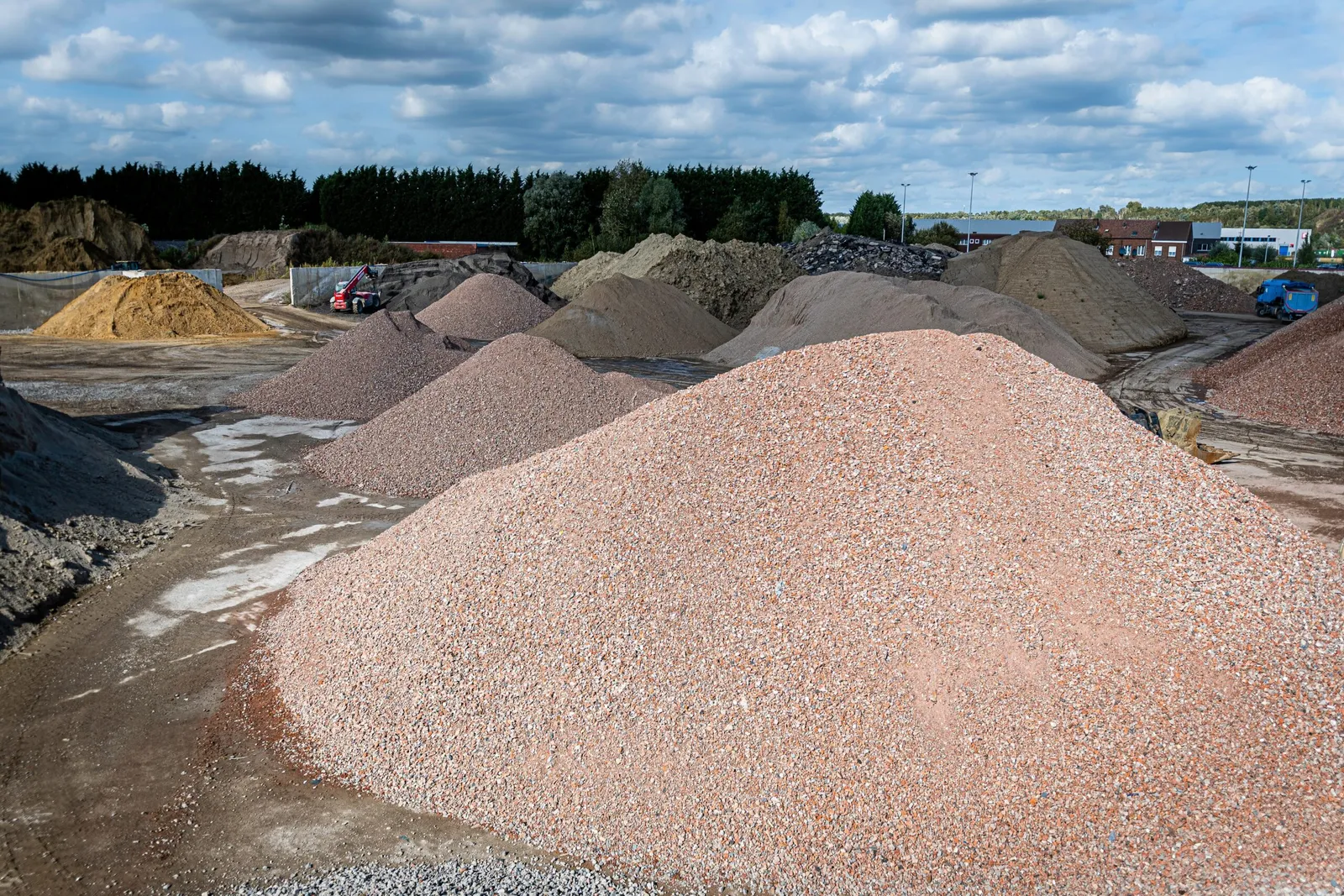
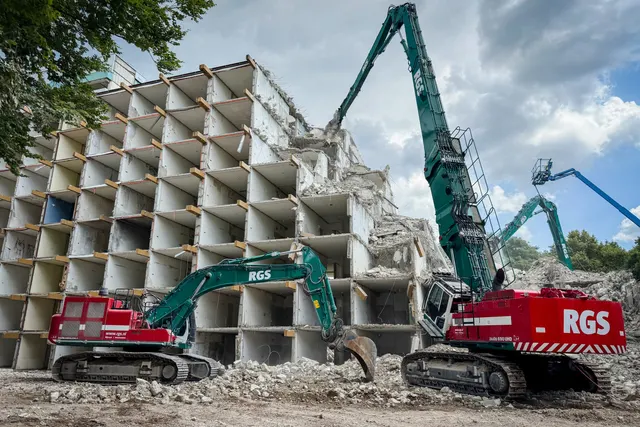
All the signs point to selective demolition remaining the defining trend of the future. After all, in the circular construction economy, we make the most efficient possible use of raw materials, materials and waste streams. VSOR welcomes this development, but also points out that demolition, dismantling and recycling companies face challenges as well as opportunities.
VSOR vzw is a dynamic association that represents the interests of companies active in demolition, dismantling and recycling, as well as other affiliated members. “So it makes sense that, as an association, we pay close attention to contentious issues and support our members in dealing with them,” says VSOR director Dino Henderickx. “The separate collection of construction and demolition waste, as set out in Vlarema 9, is a hot topic in the sector. With the stricter provisions that have been in force since December 2023, OVAM aims to prevent the waste of recyclable materials. In practice, however, the sector faces a great many difficulties and obstacles. For some waste streams, for example, there are few or no outlets. It is good when regulations encourage professionalisation, but not when they create problems that cannot be solved. We all share the same goal, namely to bring the circular construction economy one step closer. It is just that our views on how to achieve this can sometimes be difficult to reconcile.”
‘Carbon capture’: a promising technology
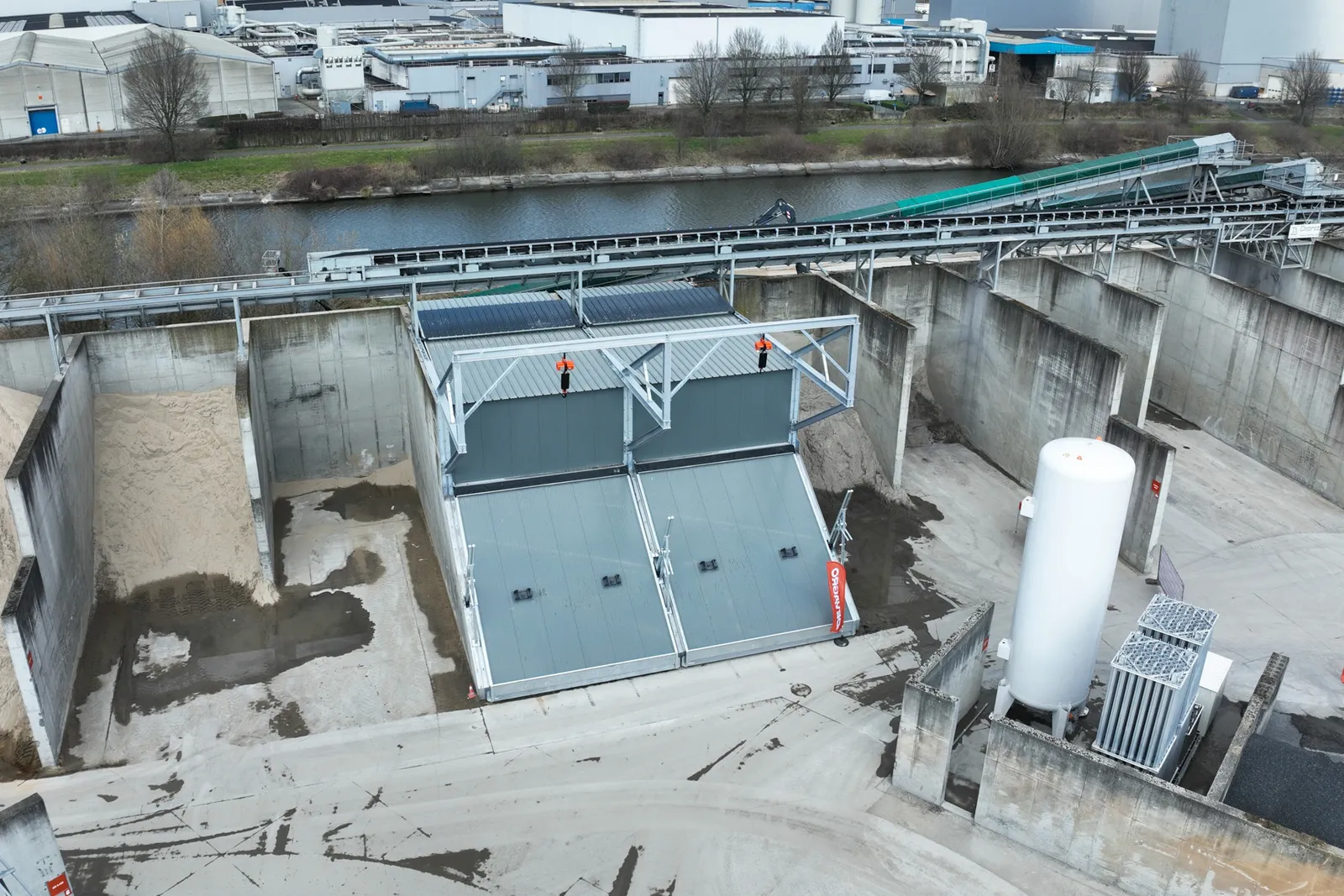
Raw materials are finite, so it is crucial to use them thoughtfully. Innovation plays a key role in this. “One promising technology in circular construction is CO2 storage through ‘carbon capture’, where, for example, recycled concrete aggregates help reduce emissions from the concrete industry. Devagro, a concrete and recycling company and one of our members, is playing a pioneering role in this initiative,” Henderickx explains.
Dismantling is the new demolition
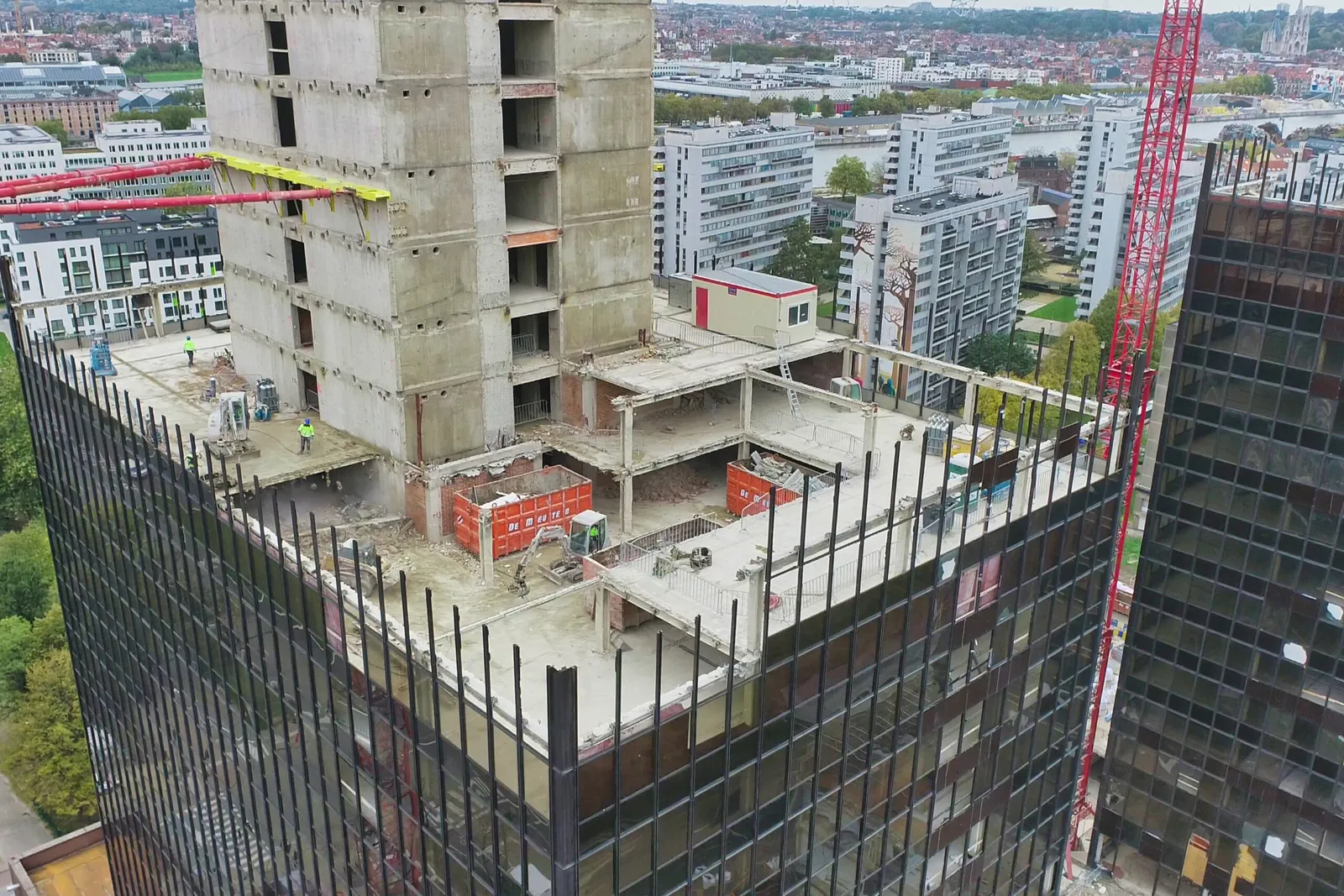
Is the future of the circular construction economy unfolding before our eyes, or is there still a long way to go? Is ‘urban mining’ a buzzword or the ultimate innovation? Henderickx says: “Reusing materials is not enough to qualify as ‘urban mining’. There must also be a systematic approach to actively recovering and processing valuable raw materials from the demolition or dismantling of existing buildings. This requires attention to the quality, durability and economic viability of reuse. The sector is already taking steps in this direction, but the road ahead is still full of challenges. Consider the specialist expertise needed for dismantling, the structural quality of materials intended for reuse, and the question of temporary storage facilities. The challenge is to make the necessary effort at every stage. That calls for an integrated approach, which is only possible if this new vision of the construction economy is embraced across the sector. Bridges need to be built to achieve that. At VSOR, we are happy to take the lead in initiating partnerships, and are also glad to accept invitations from other federations.”
Ecology versus economics
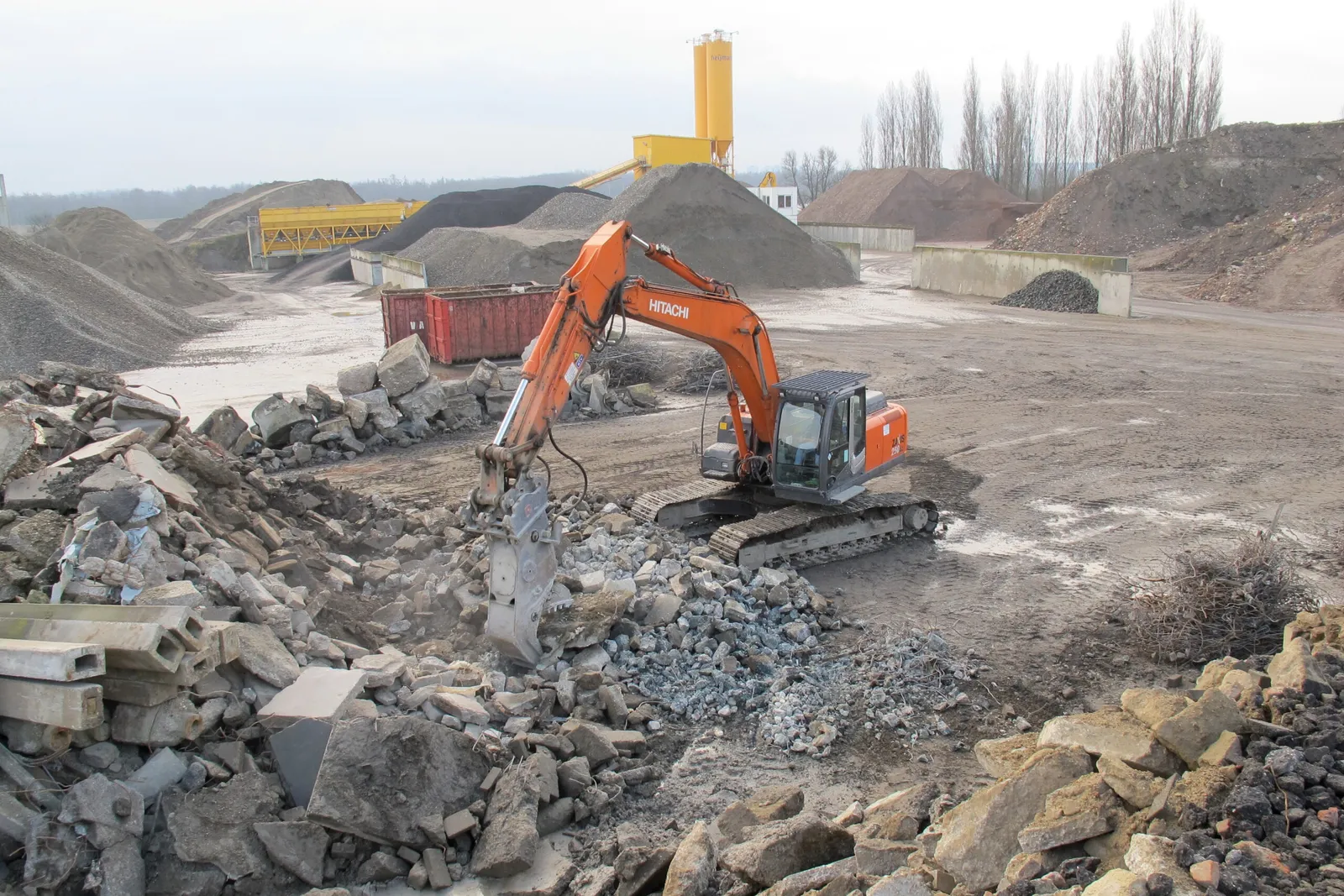
“Although we at VSOR are fans and even advocates of the circular construction economy, it must be not only environmentally responsible but also economically viable,” Henderickx concludes. “Legislation and standards are needed to enable and encourage the reuse of materials. That is simply a fact, but when you compare the regulations with what happens in practice, they are currently miles apart. VSOR works on this every day too, building bridges and talking to the authorities. We recently took decision-makers out to a site to show them what happens in practice. We also need to keep viable business models in mind for our companies, otherwise they risk going bankrupt and hundreds of jobs will be at stake. Ultimately, that would put the entire circular economy agenda under pressure. What would we have achieved then?”
Een zakelijke vraag aan VSOR vzw? Get in touch
Companies in this story

Keep following this
Get an email when a new story is published. No account needed.
- ThemeCircular construction and demolition
- SubjectConstruction & demolition waste
- CompanyVSOR vzw
- CompanyOVAM