Construction & demolition waste
Lifespan and circularity in construction: a vision for the future
Text and images COPRO
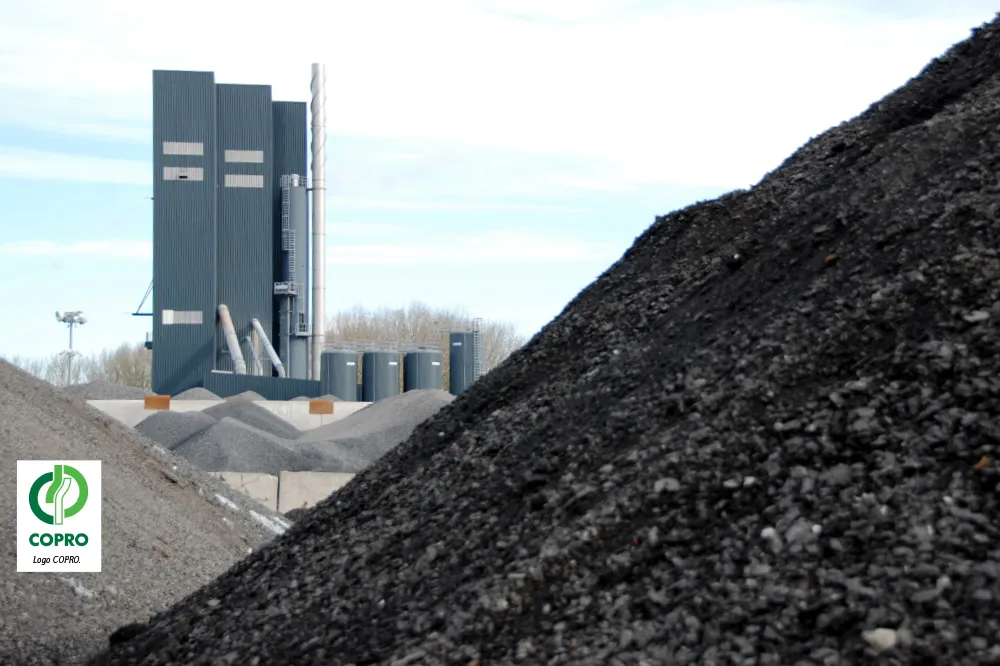
In 2024, COPRO reaches an important milestone: the certification body celebrates its 40th anniversary. Four decades of quality assurance and innovation have transformed COPRO into an indispensable link in the construction sector. In response to society’s new challenges, COPRO is focusing on a sustainable future, with a strong emphasis on circularity and environmental impact. COPRO plays an important role in this at Belgian level, as an impartial body and a unifying force for consistency across the country.
COPRO was established 40 years ago with a clear mission: to guarantee and improve the quality of construction materials and processes. Contractors and the government came together to work towards improving quality in the construction sector. “Since then, we have worked to fulfil this mission through an independent, expert and innovative approach. Over the years, COPRO has successfully adapted to the changing needs and expectations of the construction sector, government and society,” says CEO Dirk Van Loo. Combining quality with sustainability is now one of the sector’s biggest challenges. “Our aim is to make the construction sector’s sustainability cycle as circular as possible, without compromising on quality. And we take a broader view than just the product level. One example is the shift from product certification to execution certification,” Van Loo continues. “With system certification schemes such as the CO2 Performance Ladder, the NTMB care system and the NIWE Label, we go a step further. We encourage contractors, companies and local authorities to take steps to embed sustainability and circularity in their projects for the long term.”
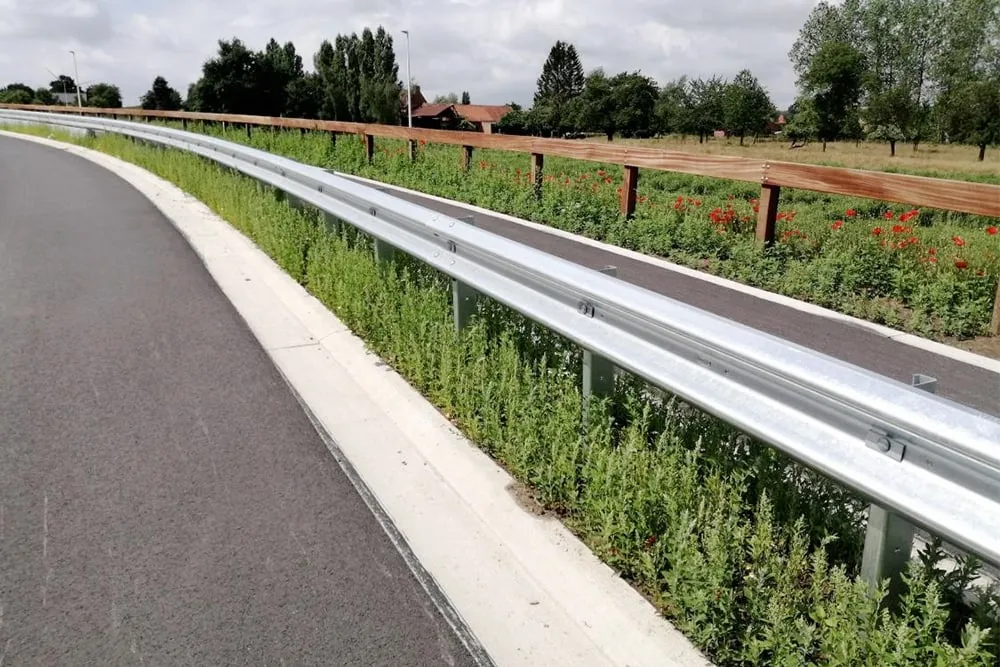
Asphalt and recycling: steady growth in the share of recycled material
Five years ago, mixes produced with reclaimed asphalt accounted for 57% of total asphalt production by tonnage. This represents a clear win-win-win for the environment, contractors and customers. By 2023, the figure had risen to 66% of total asphalt mix tonnage produced using reclaimed asphalt. Jordy Van Dam, Certification Manager for reclaimed asphalt in bituminous mixes, highlights how the use of recycled asphalt has evolved. “For private-sector projects, the share is even higher, at 74%. On average, recipes that include reclaimed asphalt contain around 50% recycled asphalt.” Although recycling is not compulsory, contractors are nevertheless making the most of it. The sharp rise in raw material prices in recent years has made reclaimed asphalt a welcome new source of material, with economic benefits that should not be underestimated. Another sustainable alternative is ‘green asphalt’ (AVT), which is also certified by COPRO. AVT mixes are subject to the same quality requirements as traditional asphalt mixes. In October 2023, an innovative platform was also launched to manage the structured removal of tar-containing asphalt. Called Digitar, the platform is available via MyCOPRO. It supports the entire process, from certification through to thermal cleaning.
Environmental impact and the CO2 Performance Ladder
“The world of circular construction materials offers a wide range of opportunities to make the construction sector more sustainable and reduce its overall environmental impact. We are therefore continuing to raise awareness among different stakeholders and share knowledge, helping to bring about a practical shift towards circularity,” says Van Loo. One practical example is COPRO’s role as Belgium’s certification body for the CO2 Performance Ladder. This certification scheme encourages companies to reduce CO2 emissions from their operations and take effective measures to minimise their environmental impact. Following a pilot phase to evaluate the scheme, regional authorities and other clients are increasingly making the CO2 Performance Ladder a tendering requirement, with an award advantage. “It was recently decided that, from 1 January 2025, the Performance Ladder will become a mandatory requirement for infrastructure projects in Flanders worth more than €5 million. It will then be phased in for smaller projects, until it applies to projects worth more than €1 million from 2027. The ultimate aim is to make all public works more CO2-neutral, and we expect contractors to make an effort to achieve this too,” concludes Kim De Jonghe, Sustainability Manager at COPRO.
COPRO is therefore keeping a close eye on the new challenges facing a sustainable society, with a strong focus on circularity and environmental impact.
Question about this story? Ask your question
Companies in this story
Keep following this
Get an email when a new story is published. No account needed.
- ThemeCircular business under changing regulations
- SubjectConstruction & demolition waste
- CompanyCopro