“All very motivating and exciting”
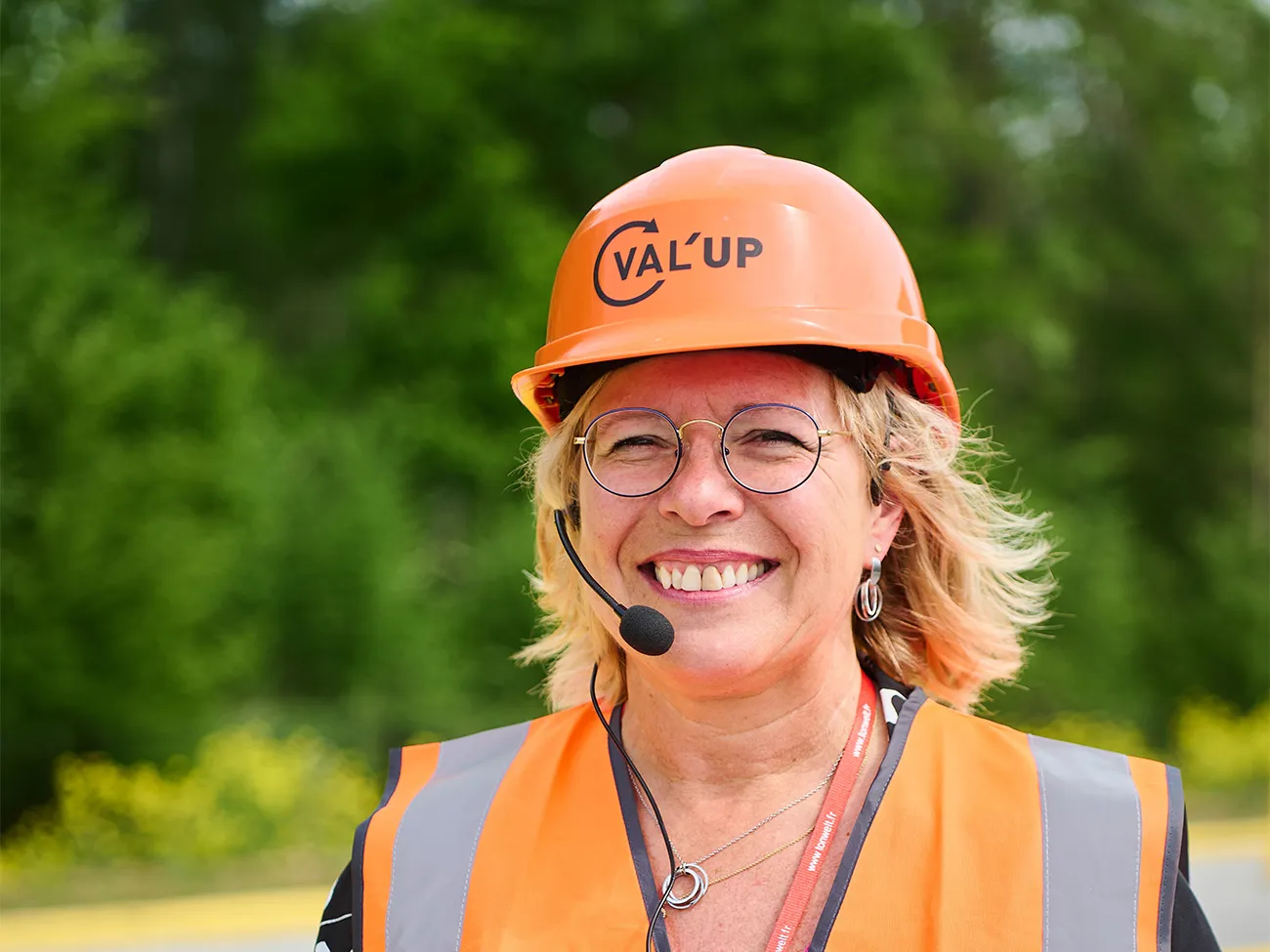
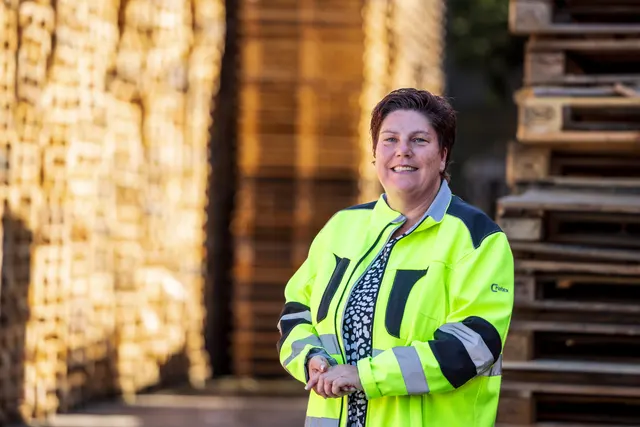
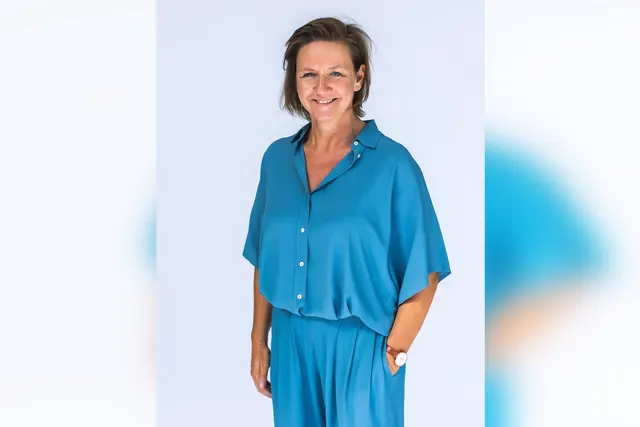
The recycling sector is still seen too much as a man’s world. Nothing could be further from the truth. More and more women are finding jobs and a place in the world of waste collection and processing. And we are pleased to introduce them to you in detail. In every issue, we hear from a woman in the sector about her job and what makes it so rewarding. This time, the floor goes to Nathalie Halbot, director of Val’UP.
Val’Up is the new sorting centre in Ghlin. Nathalie joined the project in May 2021. She oversaw its construction, set up the organisation and has been responsible for its management since operations began. For her, it is the culmination of a career spanning more than thirty years in the waste sector. A career that began somewhat by chance. “Armed with a university degree in chemistry, I went to work in the laboratories of a waste oil processing company. I wasn’t an engineer and had no particular technical skills. But I was hooked straight away. I learnt a lot along the way. This was essential, because the waste industry is constantly changing, as is the legislation, which forces you to look for solutions and new treatment methods … All very motivating and exciting.”
A sector becoming more accessible
Although the waste sector remains an engineering world with many male employees, the gender balance is slowly but surely changing. The distinctions between traditionally male and female jobs are fading. “The sector is also shedding its less appealing image. Techniques are becoming increasingly sophisticated, automation is everywhere and environmental awareness is growing. My children are very proud that their mother has an environmentally friendly job. Young people care about protecting our planet and its resources,” Nathalie explains.
Keeping up the awareness-raising
Does this mean everything is perfect? “I don’t think the recycling sector is (yet) sufficiently recognised in education, even though a few specialist courses are already available. And there is still a lot of work to do in educating consumers. The centre here in Ghlin sorts blue bags. But does the average person know what happens to the blue bags they put out at their door? What happens to them? How is the material reused? It’s a mystery. Sorting is good, but it isn’t enough. That’s why I organise factory visits to help schools and associations understand the different stages of sorting and the challenges involved, with the aim of providing better information.”
Question about this story? Ask your question
Keep following this
Get an email when a new story is published. No account needed.
- SubjectWoman in the spotlight