“There are opportunities”
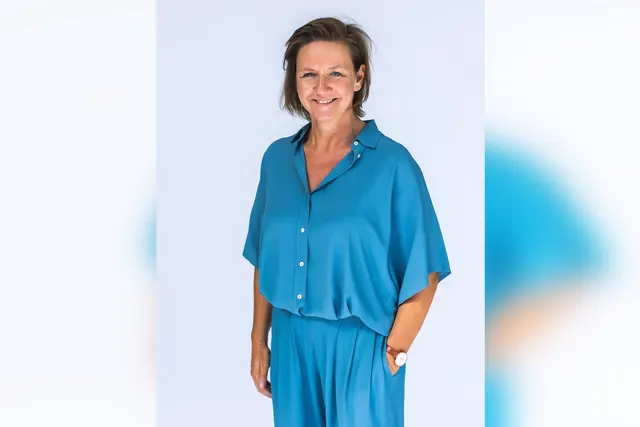
Text Ferdi den BakkerImage Diana de Graaf
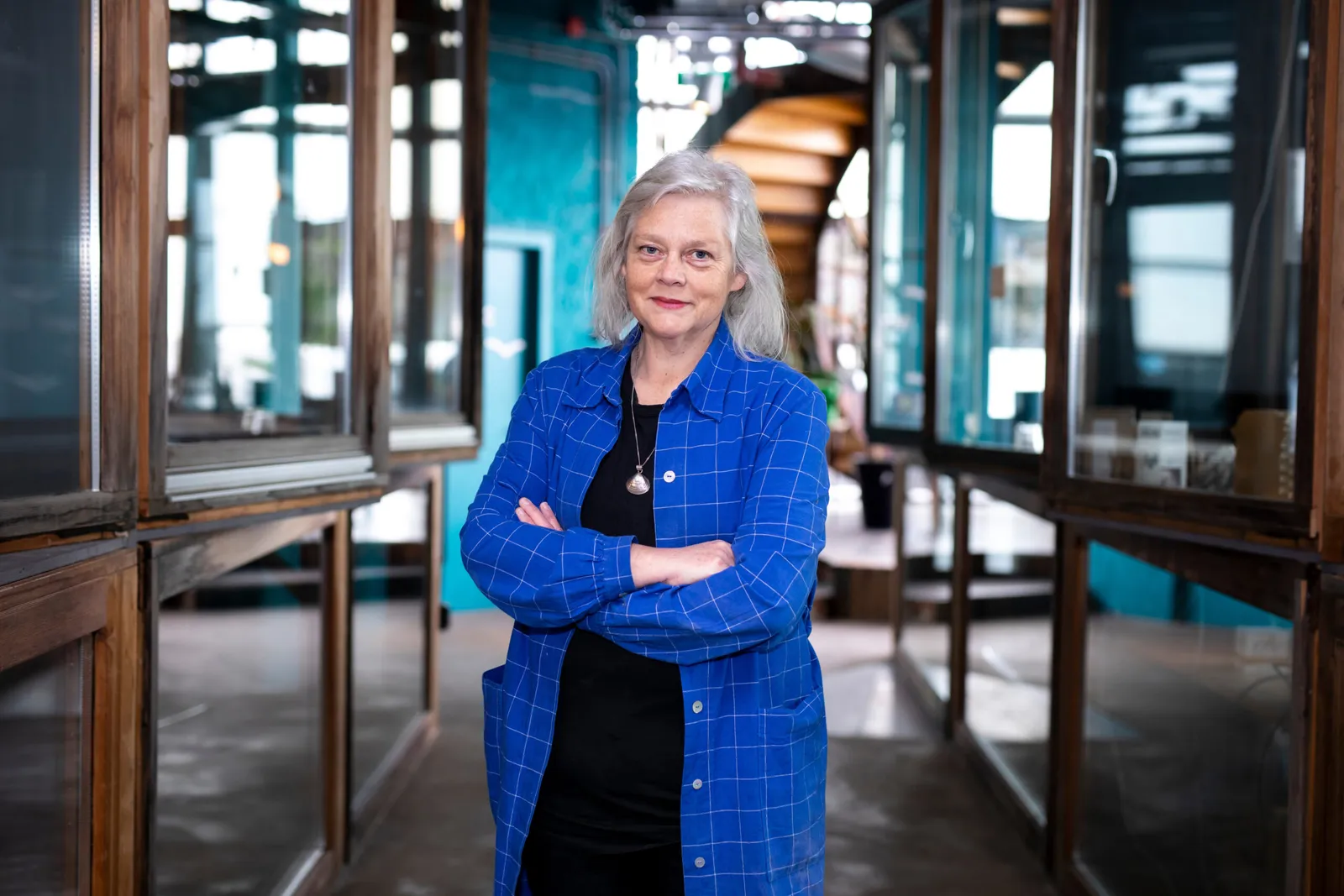
The recycling sector is still too often seen as a man’s world. Nothing could be further from the truth. More and more women are finding jobs and a place in the world of waste collection and processing. And we’re delighted to introduce them to you in detail. In each edition, we hear from a woman in the sector about her job and what makes it so rewarding. Diana de Graaf, director of Stichting Circulaire Maakindustrie, feels right at home in the circular economy.
De Graaf is fully convinced of the need to give circularity a greater role in industry, but she sees that many companies are struggling with it. “That is one of the reasons why trade associations FME and Metaalunie asked me to devote my energy to this implementation programme. Federatie NRK has since joined as well.”
Plenty of attention, less action
With a university degree in industrial design, she is well equipped to tackle the challenges companies face in the field of circularity. “In industry too, which is still something of a male stronghold. Although you do see more women when it comes to sustainability. And I’ve been in the sector for so long that I no longer notice when I’m sometimes the only woman.” Through the foundation, she aims to provide businesses with as many good examples of circular practices as possible. “They can help get things moving. There are some great examples, and there are frontrunners too. At the same time, many companies are wondering what they should do about circularity and how they can put it into practice.”
“Plenty of opportunities”
Although circularity is still often not a priority, De Graaf sees the world changing. “There are opportunities. A machine worth €1 million may officially be written off after six years, but it could still be worth €200,000 or €300,000. It is not easy to prove that to the bank. If you manage to do so, you can do more with the rest. Tools have been developed for this, and we share them. It would also help if governments made current legislation, which is often inflexible, better suited to circular solutions.” She also hopes for more collaboration across the value chain. “Companies need one another. If you want to get to work on sustainability, you simply cannot stay within the confines of your own company.”
Question about this story? Ask your question
Keep following this
Get an email when a new story is published. No account needed.
- SubjectWoman in the spotlight