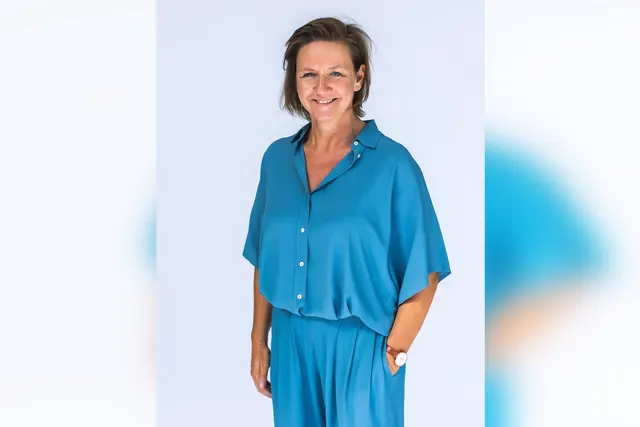
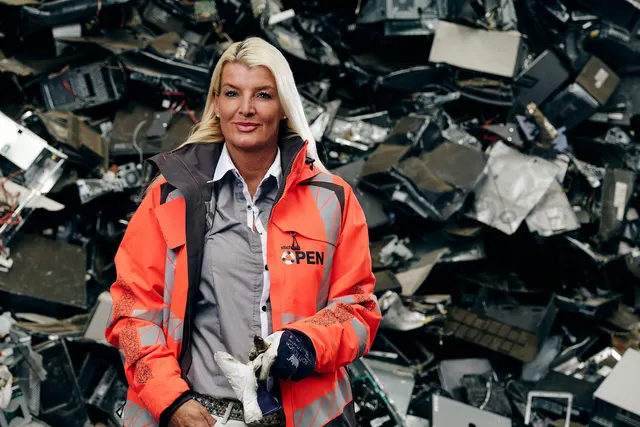
“Working out what is needed to set change in motion”
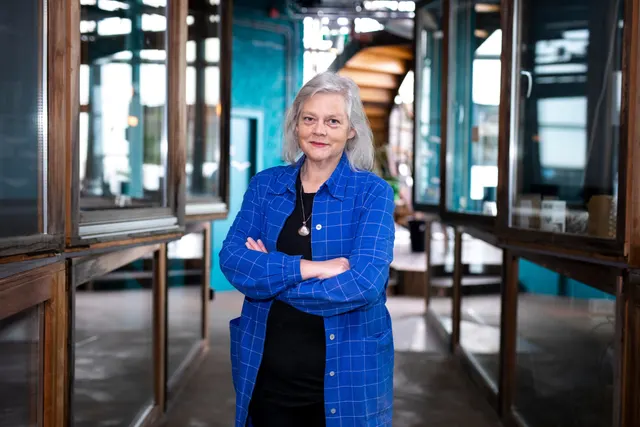
Text Ferdi den BakkerImage Marieke Brouwer
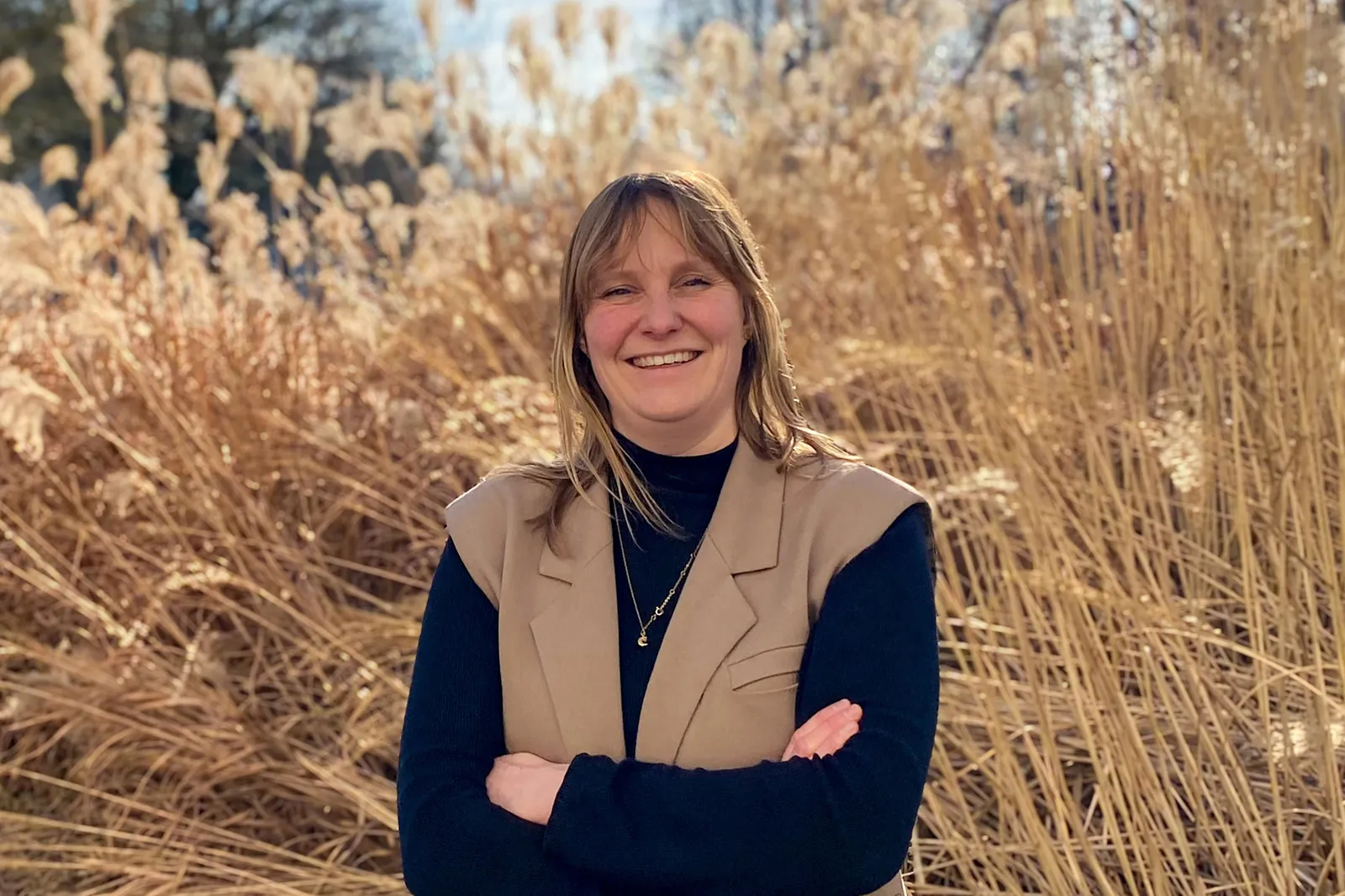
The recycling sector is still too often seen as a man’s world. Nothing could be further from the truth. More and more women are finding jobs and a place in the world of waste collection and processing. And we are pleased to introduce them to you in detail. In each edition, we hear from a woman in the sector about her job and what makes it so rewarding. In this edition, we hear from Marieke Brouwer, researcher in Sustainable Products & Systems at Wageningen University & Research.
Her focus is on how companies can design sustainable products that also fit into sustainable supply chains. She also explores how organisations can be encouraged to make this transition. Her research focuses on short-lived products, such as packaging, textiles and disposable items. The sector seems to be in turmoil. “I can certainly see that recycling companies are facing difficulties. Alongside significant market developments, there are still many barriers. For the past twelve years, I have focused mainly on mapping how things work, where they could be improved and what impact making a change would have.”
Growing maturity
“What I really like is seeing recycling systems become more mature. A discussion about what to do with beverage cartons led to the collection of plastic packaging, metal packaging and cartons. Collection, sorting and recycling systems are becoming more mature. So now, we talk not only about the quantities recycled, but also about the quality of the material streams, for example, how to prevent contamination during collection.” New raw materials also need to be accommodated. “There is a shift towards bio-based raw materials and less use of fossil-based plastics. The waste mix will change. It is up to my colleagues and me to work out what works. That allows us to predict in advance which solutions are likely to succeed and what their impact will be.”
Systems thinking
One thing Brouwer would like to see as these recycling chains develop further is producers preventing microplastics from entering the environment. “When designing products, you should already be considering how the items can fit into a sustainable chain. In my view, too many companies still pay too little attention to designing products that are easier or better to recycle. That is also how I like to approach this subject: as a systems thinker. I look at the whole picture and how everything fits together.”
Marieke Brouwer
Question about this story? Ask your question
Keep following this
Get an email when a new story is published. No account needed.
- SubjectWoman in the spotlight