Recycling company in the spotlight
Tackling PFAS contamination with industrial hemp
Text C-Biotech en DEME Environmental
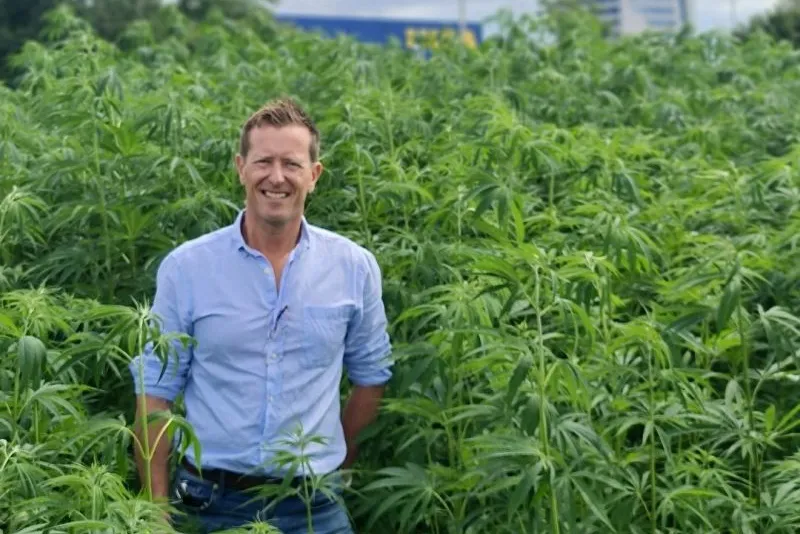
On World Soil Day, DEME Environmental and C-Biotech announced the launch of Fytolutions, a new joint venture tackling PFAS contamination with an innovative solution based on industrial hemp.
PFAS (synthetic per- and polyfluoroalkyl substances) are global pollutants found in hundreds of everyday products, including cosmetics, non-stick pans and fire-fighting foam. DEME Environmental specialises in cleaning up and remediating contaminated soil and breathing new life into polluted sites. Through these activities, the company contributes to a healthy living environment and the circular economy. C-Biotech, part of the family-owned Cordeel Group, develops building materials that have a positive environmental impact.
Low-level PFAS contamination
Dirk Ponnet, managing director of DEME Environmental, explains: “DEME is a leader in the use of sustainable soil remediation techniques. We often work on historically contaminated sites, including some of Europe’s worst hotspots. Techniques include excavating the material and then treating it using various specialised soil remediation methods. However, sites with only low levels of PFAS contamination may not be suitable for this approach.”

Holistic approach
Phytoremediation is a proven green technology for soil remediation, taking a holistic approach that harnesses the power of living plants to remove hazardous substances from soil. “Certain plants can absorb and break down harmful substances as their roots take up water and nutrients. Nature cleans nature!”, says Frederik Verstraete, founder and CEO of C-Biotech. “Industrial hemp not only grows remarkably quickly, reaching up to 4 m in just 90 days, but also absorbs significant amounts of CO2 during its growth cycle. Both companies recognise the scale of the global PFAS problem and the challenges it presents, and believe the new company is the perfect way to join forces and shorten remediation times at sites where these ‘forever chemicals’ are present.”
Successful study
Following a successful feasibility study in Zwijndrecht, Fytolutions will initially focus on Belgium and Luxembourg. Its activities may then be expanded to other countries. DEME Environmental’s team of experts will identify PFAS-contaminated sites. The new joint venture will then develop a bespoke solution for each site. This may combine phytoremediation with traditional remediation.
Capturing CO2
After harvesting, the contaminated and uncontaminated parts of the hemp plants are carefully separated. The PFAS-containing leaves will be disposed of responsibly. Satellites will be used to measure CO2 absorption accurately. One hectare of hemp is estimated to capture around 15 tonnes of CO2. Ponnet emphasises: “Western Europe has thousands of sites with low to moderate PFAS contamination. This is a highly cost-effective solution and complements DEME’s other remediation techniques.” Collaboration will be key to finding solutions for these sites. “Together, we are committed to a clean planet!”, Verstraete concludes.
Question about this story? Ask your question
Keep following this
Get an email when a new story is published. No account needed.
- ThemeSafe and clean processing
- SubjectRecycling company in the spotlight