The hard figures [Issue 3-2024]
Text Valérie CouplezImage Bebat
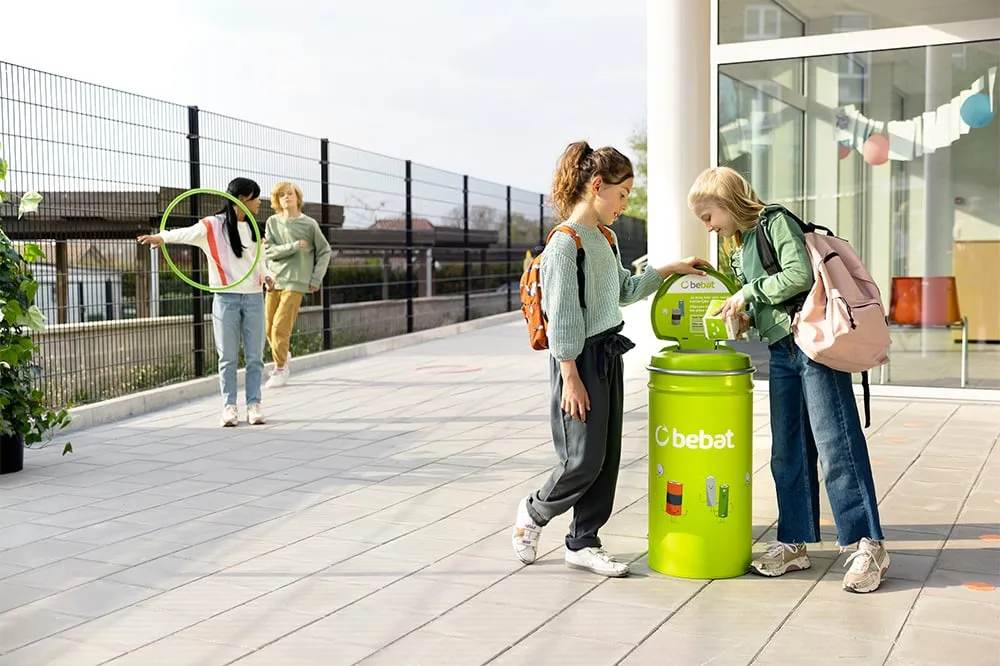
The saying goes that measuring is knowing. That is why RecyclePro is once again bringing you figures on the waste sector in every 2024 edition. It is up to you to draw insights from them that can optimise your production process or increase your returns. Bebat collected 3,907 tonnes of batteries in 2023, up 5% on the previous year's result. Who can we thank for that? Schoolchildren. Hopefully, what is learnt young is remembered when older, so that fewer batteries end up in the wrong waste streams, with the familiar consequences.
In Belgium, 268.6 million batteries were placed on the market in 2023. That is 3% more than in 2022, an increase of 587 tonnes. Built-in batteries accounted for 35% of the total. Looking at battery types, the increase was mainly in rechargeable lithium batteries (+36%), lead batteries (+4%) and alkaline batteries (+2%). Nickel-cadmium (-16%), zinc-carbon (-14%) and nickel-metal hydride (-9%) saw the most notable declines. The weight of e-bike batteries (-10%) and ESS batteries (-24%) placed on the market also fell.
Schools collect more
The quantity of batteries collected rose by 5% in 2023 to 3,907 tonnes. Most came from Flanders, with 2,527 tonnes. The increase was mainly due to higher collection volumes at schools, although businesses (34%), recycling centres (28%) and retail (19%) remain the main collection channels. Schools took part in Bebat campaigns on a large scale, with prizes including recycled benches and play equipment made from Bebat's own discarded plastic collection drums. More than 100 playgrounds were made more sustainable as a result.
Collection rate comfortably exceeds European targets
The result was a collection rate of 60.3%, an increase of 1.3%. The higher number of portable batteries collected (+186 tonnes) was particularly significant. Bebat points out, however, that the number of rechargeable lithium batteries placed on the market has grown sharply in recent years. These batteries have a much longer lifespan than the current three-year reference period used to calculate the collection rate. Even so, this report puts Belgium among the top performers in the European class. It is well above the European benchmark of 45%.
Question about this story? Ask your question
Companies in this story
Keep following this
Get an email when a new story is published. No account needed.
- ThemeCircular processing of electronics and batteries
- SubjectHard numbers
- CompanyBebat vzw