The hard facts
Text Valérie CouplezImage iStock
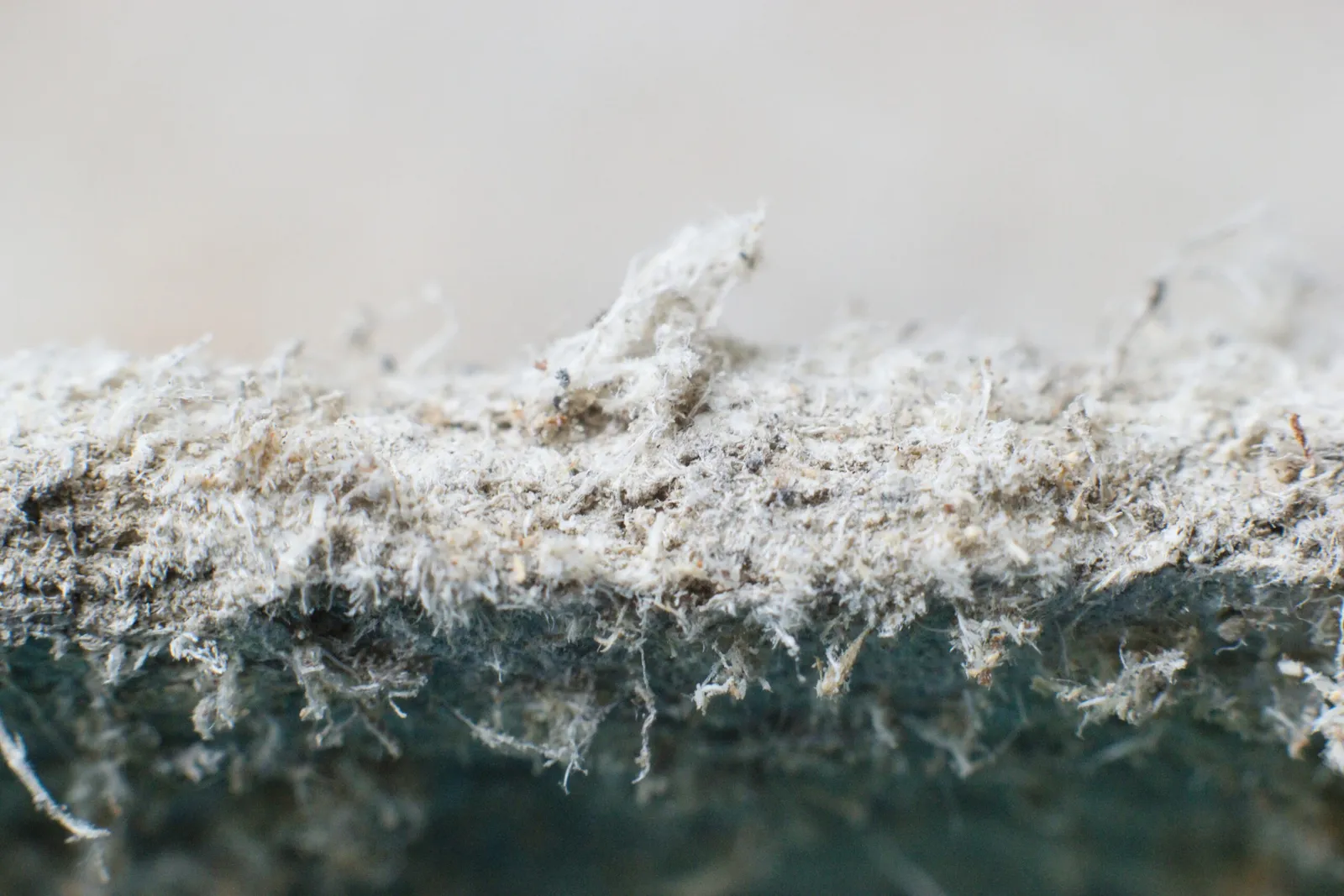
As the saying goes, if you can measure it, you can manage it. In every 2025 issue, RecyclePro is therefore bringing you figures from the waste sector. It is up to you to draw insights from them that can optimise your production process or increase your returns. In this issue, we look at what three years of asbestos certificates, 422,584 in total, have revealed in Flanders.
Just days before the third anniversary of the asbestos certificate, the total stood at 422,584. Using data from these certificates, OVAM estimated the amount of asbestos expected to remain in Flemish buildings. The previous estimate (2019) predated the introduction of the asbestos certificate and was based on samples and published data. Analysis of the certificates suggests that 3.18 million tonnes are still in circulation. The 2019 estimate proved particularly low for houses and flats. For schools and agricultural businesses, the analysis indicates that there is less asbestos than previously estimated: 35% and 57% less, respectively.
‘In just over 40% of the buildings surveyed, the certificate concludes that the building is not asbestos-safe’
Two-thirds in houses and flats
The most striking finding from the analysis is that two-thirds of the asbestos legacy is in houses and flats. More than 2 million owners of houses and flats still do not have an asbestos certificate, and are therefore unaware of where the asbestos risks are. A better understanding of the asbestos legacy will help inform the right policy choices in the coming years, as Flanders works towards becoming asbestos-safe by 2040. Support for private owners, such as affordable kerbside collection of asbestos cement, grants for asbestos roofs and local group purchases for asbestos certificates, therefore remains crucial in helping them make their homes asbestos-safe.
In more than half of buildings surveyed
One or more asbestos-containing materials were found in 59% of the buildings surveyed (built before 2001). In just over 40% of the buildings surveyed, the certificate concludes that the building is not asbestos-safe. The certificate indicates the condition of the various materials and what needs to be done to achieve an asbestos-safe situation. More than 80% of the asbestos legacy consists of various forms of asbestos cement, such as slates, corrugated sheets, pipes and panels. The most hazardous non-bonded asbestos-containing materials, however, fall into the other group: they generally contain much more asbestos but weigh less, because the binder is weaker or absent, allowing asbestos fibres to be released easily.
Question about this story? Ask your question
Companies in this story

Keep following this
Get an email when a new story is published. No account needed.
- ThemeSafe and clean processing
- SubjectHard numbers
- CompanyOVAM