The hard facts
Text Valérie CouplezImage iStock
The saying goes that measuring is knowing. That is why RecyclePro is once again bringing you figures on the waste sector in every 2025 issue. It is up to you to draw insights from them that can optimise your production process or increase your returns. This time, we take a closer look at Dutch waste treatment figures for 2023. They show how, collectively, we are composting more and incinerating less.
Around 60 million tonnes of waste are generated in the Netherlands each year. This waste is treated in various ways. Around 80% is recycled. In 2023, 1.6 million tonnes of organic household waste were composted, 6.8 million tonnes of waste were incinerated and 1.7 million tonnes of waste were landfilled (‘net’). A total of 2.8 million tonnes of soil and 3.0 million tonnes of dredged material were treated. These figures come from the report ‘Waste Treatment in the Netherlands, 2023 data’ by the Waste Registration Working Group.
Composting and anaerobic digestion
The amount of organic household waste treated rose by 6%. In total, 1.7 million tonnes of waste were treated at organic waste facilities in 2023. In addition to 1.6 million tonnes of organic household waste, this included green waste and swill (kitchen waste and food scraps from the hospitality sector). In 2023, 0.6 million tonnes of compost were supplied. Anaerobic digestion plants treated 0.4 million tonnes of organic household waste. In this process, biogas is produced before composting, and is used to generate energy.
Incineration
The total amount of residual waste incinerated at Dutch facilities in 2023 was 6.8 million tonnes. This was down 7% on 2022. Of this, 5.8 million tonnes came from the Netherlands, a decrease of 7% compared with the previous year. A further 1.1 million tonnes came from abroad, a decrease of 8%. Energy from Dutch facilities is supplied, among other uses, as heat to industry and greenhouses, and is used for district heating. The amount of energy produced fell by 7% in 2023.
Landfill
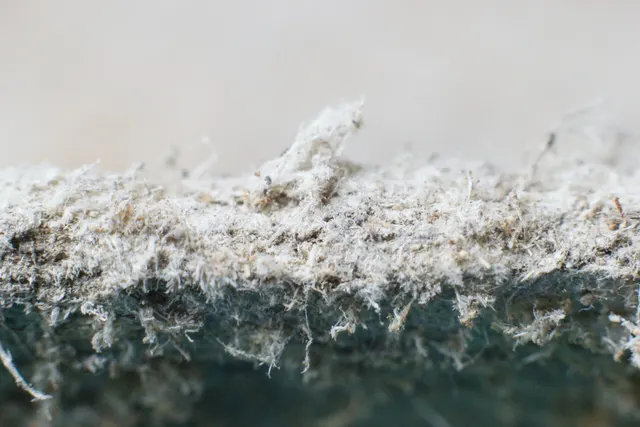
A total of 2.2 million tonnes of waste were sent to landfill in 2023. This was an increase of 7% compared with 2022. Of this, 1.7 million tonnes were actually landfilled (‘net landfilled’), a decrease of 5%. A further 0.5 million tonnes were used as construction material, as set out in the Soil Quality Decree. Compared with 2022, less commercial waste, construction and demolition waste, and asbestos were landfilled. More soil and residues from soil cleaning were landfilled.
Soil and dredged material
In 2023, 2.8 million tonnes of contaminated soil were treated by cleaning, immobilisation or landfilling. A further 47.8 million tonnes of soil were used directly, for example in noise barriers or road foundations. A total of 3.0 million tonnes of dredged material were treated, and 8.1 million tonnes were used directly on land or in aquatic environments.
Question about this story? Ask your question
Keep following this
Get an email when a new story is published. No account needed.
- SubjectHard numbers