The hard facts [Edition 5-2024]
Text Valérie CouplezImage Fattili

The cliché goes that what gets measured gets managed. That is why RecyclePro is once again presenting figures on the waste sector in every 2024 edition. It is up to you to draw insights from them that can optimise your production process or increase your returns. This time, we take a broader look and summarise the key findings and figures from Mario Draghi’s report relating to the recycling industry.
The EU generates around 2.5 billion tonnes of waste each year, but only 39% is recycled. Increasing this figure is essential if Europe is to meet its 2050 climate neutrality target. This presents recycling companies with opportunities to expand their operations and improve infrastructure in line with sustainability goals.
Call for investment
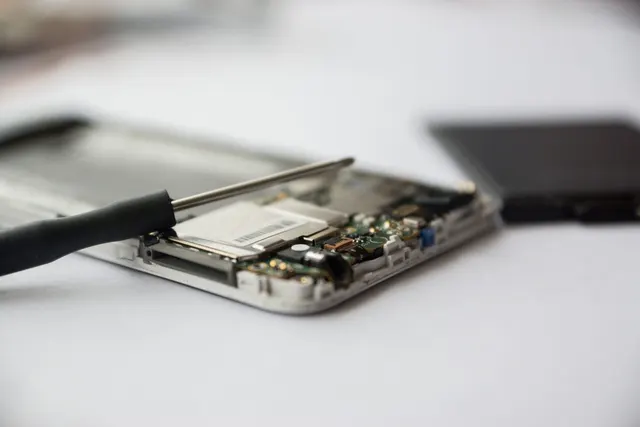
The report advocates public-private partnerships and calls for substantial investment in green technology, proposing a joint borrowing plan worth 800 billion euros to fund projects such as innovations in waste management and recycling. Recycling companies should make use of the 1 billion euros in Green Deal funding to develop advanced sorting technologies and improve material recovery. For example, improving the recycling of electronic waste could tap into a market of 12 million tonnes of electronic waste generated annually, of which less than 40% is currently recycled.
Focusing on innovation
Innovation is another key theme. Draghi highlights the use of new technologies such as AI and robotics in sorting facilities, which could reduce the 25% contamination rate in recyclable materials. In addition, innovations in chemical recycling can process previously unrecyclable materials such as mixed plastics, contributing to the EU’s target of reducing waste by 50% by 2030.
Strategic autonomy
Draghi also highlights the importance of strategic autonomy, reducing dependence on external supply chains for critical materials. Europe imports 98% of its rare earth metals from China, making domestic recovery through recycling vital. Recycling companies, particularly those focused on e-waste and batteries, can strengthen Europe’s independence in materials.
Keeping up with regulation
Finally, improved regulation that encourages higher recycling rates, such as extended producer responsibility (EPR) programmes, will increase demand for recycled materials. Companies must keep pace with these changing policies to ensure compliance and seize growth opportunities.
Question about this story? Ask your question
Keep following this
Get an email when a new story is published. No account needed.
- SubjectHard numbers