What are carmakers doing to make their interiors more sustainable?
Text Valérie CouplezImage BMW, Renault, Skoda en Volvo

The automotive industry wants to put the brakes on electrifying its product range, at least to some extent. But that does not mean it is unaware that sustainability considerations are playing a role for an increasing number of potential buyers. Carmakers are therefore actively looking for ways to incorporate recycled content into car interiors or use more sustainable alternatives. An overview.
That is no easy task. Caroline Liehr, colour and trim designer at Škoda, sums up the challenge: “There is growing interest in using recycled materials. But it remains a major challenge for materials designers, because we use more than just natural fibres, recycled polyester or polyethylene terephthalate (PET). We need to find a material that can be recycled at the end of its life cycle and does not compromise on durability, while still making the interior interesting.”
Innovative sustainable materials
The Škoda Elroq, unveiled at the 2024 Paris Motor Show, uses recycled plastic bottles and post-consumer clothing. These are used in its seat and upholstery fabrics. The textiles are made partly from recycled fabric. This is not clothing destined for second-hand shops, but damaged fabric that can no longer be used. It is shredded and spun again without using water or chemicals. Other materials used in the Elroq’s interior include recycled PET and regenerated nylon, for example from old fishing nets and fabric offcuts.
Hemp instead of traditional leather
Leather is also frequently used in car interiors to provide a luxurious and comfortable feel. It is durable, breathable, adaptable, stain-resistant and easy to clean, but has a large carbon footprint. Volkswagen is exploring alternatives to leather for its car interiors in collaboration with start-up Revoltech. The material could be used from 2028. It is made from 100% bio-based hemp and uses residues from the regional hemp industry. It can be produced in existing industrial plants and recycled or composted at the end of a vehicle’s life. Another VW Group brand, Audi, already uses sustainable materials in some models. The new Q5 Sportback features materials such as Cascade upholstery and Dinamica microfibre. Both are made predominantly from recycled polyester.
Concept car made from recycled and bio-based materials
BMW Group is focused on using resources more efficiently. This, in turn, will reduce cars’ environmental footprint. The BMW i Vision Circular concept illustrates this philosophy. The car is designed to use as few components and materials as possible. The concept car is made from 100% recycled or bio-based materials and is fully recyclable. Also within BMW Group, the all-electric MINI Cooper now has a fully animal-friendly, leather-free interior. The seat surfaces are made from knitted 100% recycled textiles. The dashboard and armrests are also made from knitted textiles, specifically recycled polyester yarn. Compared with cotton, this method uses around 98% less water. It also reduces CO2 emissions by around 80% compared with conventional polyester processing.

50% recycled content, almost 100% recyclable
Renault Group aims to achieve carbon neutrality in Europe by 2040 and worldwide by 2050. The Emblème concept car represents this approach. Unveiled at the Paris Motor Show, it uses 50% recycled materials. Almost all the materials used in the demonstrator can be recycled at the end of their life.
Interior made from shredded jeans
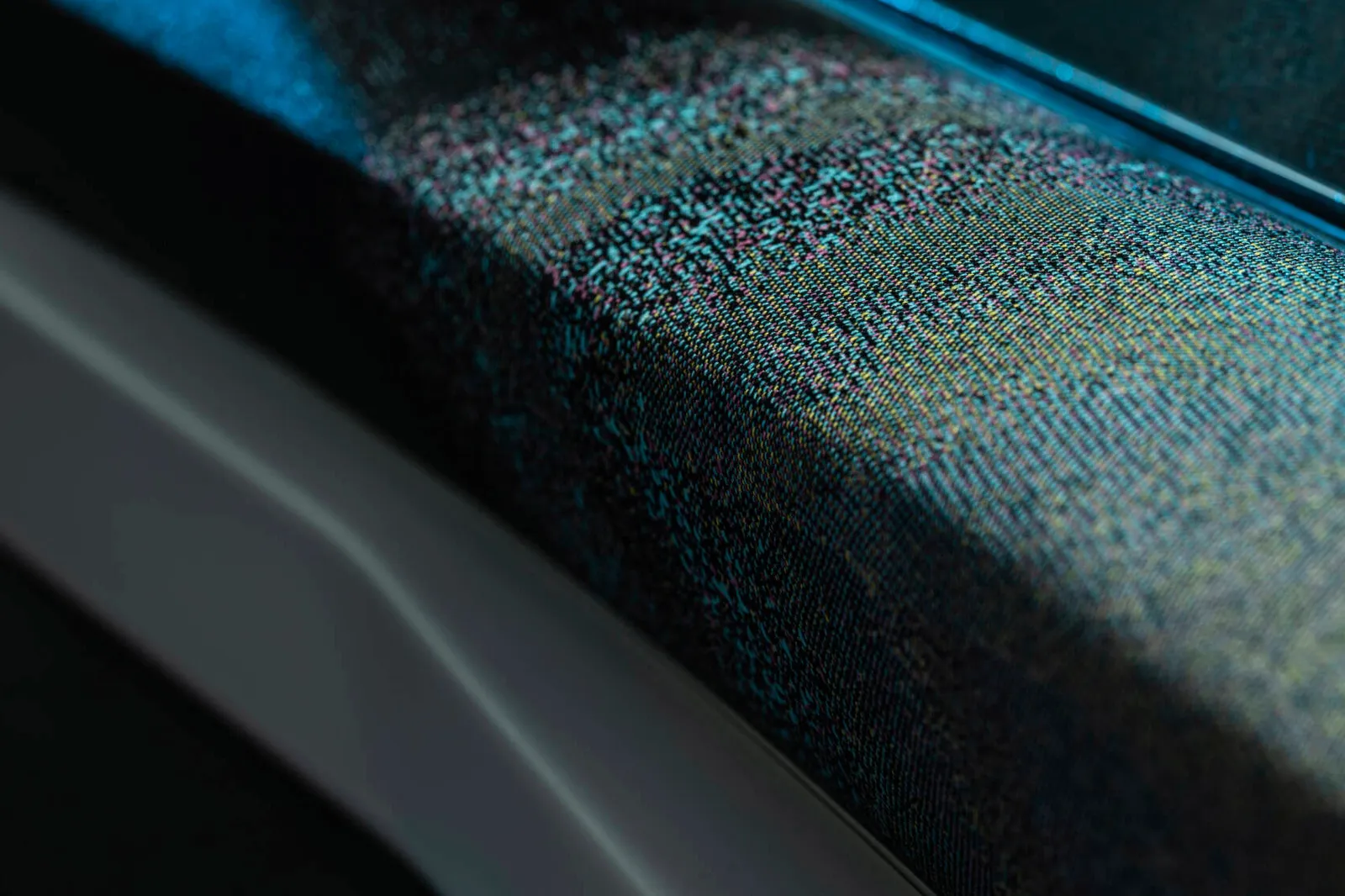
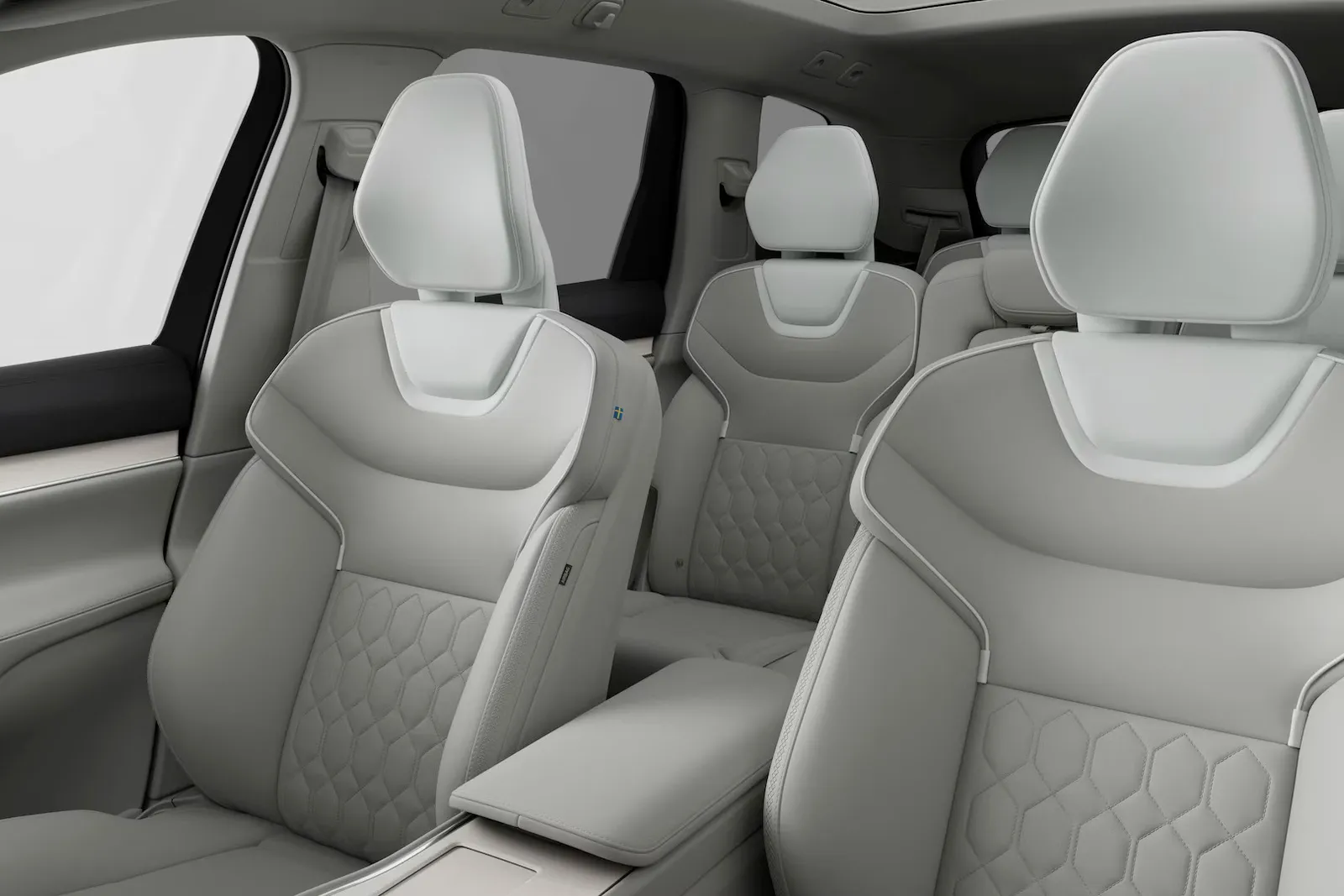
Volvo uses natural materials such as a wool blend for its upholstery. This is made from 30% natural wool fibres and 70% recycled polyester. The manufacturer also uses woven flax, a natural, renewable fibre derived from flax plants, which need very little water to grow. The material takes less energy to make and generates fewer emissions than conventional plastic components. Volvo’s interior also uses responsibly sourced wood. In addition, the brand has developed its own material, called Nordico. It consists of recycled polyester from PET bottles and PVC made from bio-based material sourced from Swedish and Finnish forests. PVC is also used in the ‘particle decor’ option. The denim interior trim uses short fibres from shredded jeans.
Based on an article published on Autovista24
Question about this story? Ask your question
Keep following this
Get an email when a new story is published. No account needed.
- SubjectGreen Road Mobility