Towards the fuel of the future
At the end of September, Denuo opened its doors to kick-start the debate on green road transport for the waste and recycling industry. How can the sector make its logistics chain more sustainable? It is no easy task, given the many factors involved in logistics. The debate was therefore split into three round-table discussions, each addressing a logistical challenge on the road to green mobility. The first discussion focused on the technological alternatives available to reduce dependence on fossil fuels. Joining the discussion were André Dewilde (Agentschap Net Brussel), Filip Chanterie (FAUN), Alexander Desplentere (MOLCY), Steven Soens (Febiac) and Jean-Philippe Deroeux (Dufour, Cogetrina).
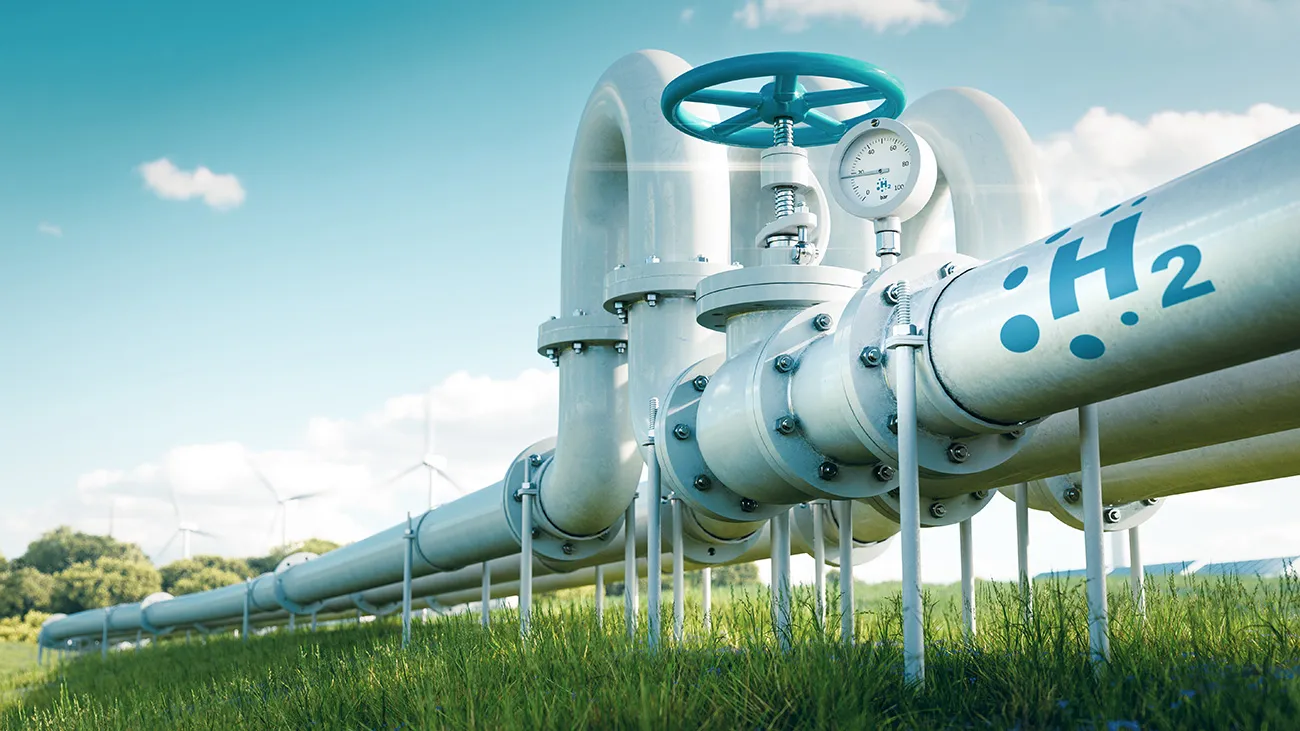
The first round table opened with a presentation on the W2W Ipalle project, which Dufour is helping to deliver. Ipalle is the intermunicipal organisation for the Hainaut region (Wallonie Picarde and Sud-Hainaut). In this project, Ipalle is seeking to build infrastructure for producing and distributing hydrogen to fuel a fleet of lorries. The infrastructure is located at the Thumaide incinerator site, which is operated by Ipalle. Hydrogen can be produced on site from the waste fed into the incinerator. The aim is to convert eleven lorries for Ipalle’s partners, enabling them to use this sustainable fuel to collect various types of waste.
No easy road to sustainability
This example shows that the recycling industry is serious about exploring how it can become even more sustainable as a green sector. However, this is no easy or advanced undertaking. Many companies have only just begun looking at how to implement and roll out certain technologies. Where fleets already include an electric or hydrogen-powered lorry, whether fully electric or hybrid, these are usually still at the initial testing stage. So what is holding the waste and recycling industry back? Three barriers were raised during the round table: the range of the technology, its cost and the difficulty of finding qualified staff.
Limited range
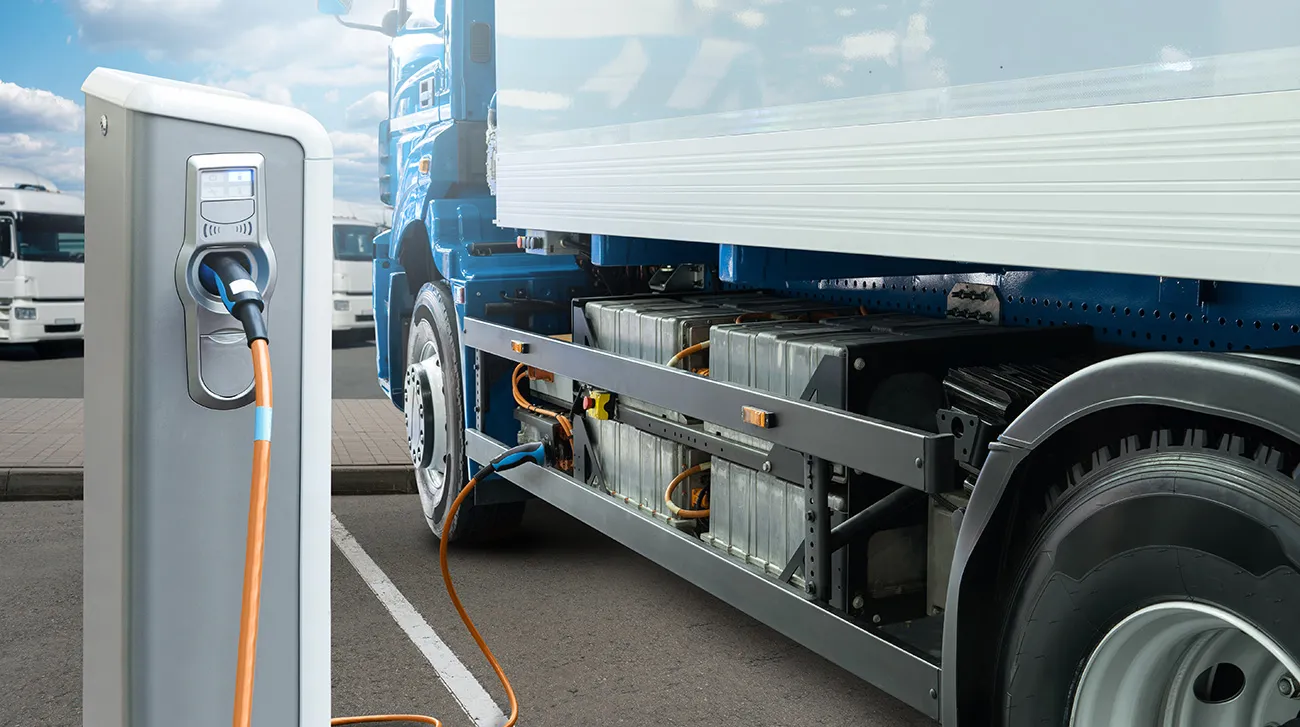
Many consumers encounter the same issue. Electric cars have a limited range. Driving all the way to the south of France in one go for the summer holidays is a pipe dream. The same applies to electric lorries. At present, fully electric models have a range of 300 km, while hybrid models can manage up to 400 km. These are theoretical figures, as in practice, outside temperatures, the driver's driving style, elevation changes, geographical location, payload weight … all eat into that range. Electrifying international transport is therefore still some way off. However, this already creates opportunities for operators working exclusively at a local level. Hydrogen offers greater range. A hydrogen fuel cell in an electric lorry can deliver a range of 800 km using 80 kg of hydrogen.
However, this technology is still in its infancy, and refuelling options in Belgium are also limited.
Major investment
The second factor is closely linked to how recently these technologies have been commercialised. They are still far from mainstream, and current projects are often still in the pilot phase. Manufacturers will need to make major further investments before the technology reaches maturity. The sector will too. A lorry powered by electricity or hydrogen is estimated to cost 3.5 to 4 times as much as a conventional lorry. And at current energy prices, that cost gap is not easily bridged. Quite the opposite. Some round-table participants therefore believe that if the government wants to deliver on its net zero ambitions, it will need to support the logistics sector. This financial support would need to go further than the subsidies already available at regional or European level.
Finding qualified staff
Finally, round-table participants also raised the challenge of finding enough drivers. Drivers with the right qualifications and attitude to negotiate busy city traffic every day are already a rare breed. Waste collection takes real grit. Recycling companies are also finding it increasingly difficult to recruit enough technicians to maintain their fleets. The arrival of new fuel technologies will make matters no easier. Working on electric lorries requires different skills and qualifications. The sector is therefore also turning to the manufacturers of these vehicles for support, seeking information and training on these new developments and what they mean in practice for employees.
Question about this story? Ask your question
Keep following this
Get an email when a new story is published. No account needed.
- SubjectGreen Road Mobility