Fost Plus and Indaver join forces to chemically recycle yoghurt pots and foam trays
Chemical recycling and packaging innovation make circular food packaging possible
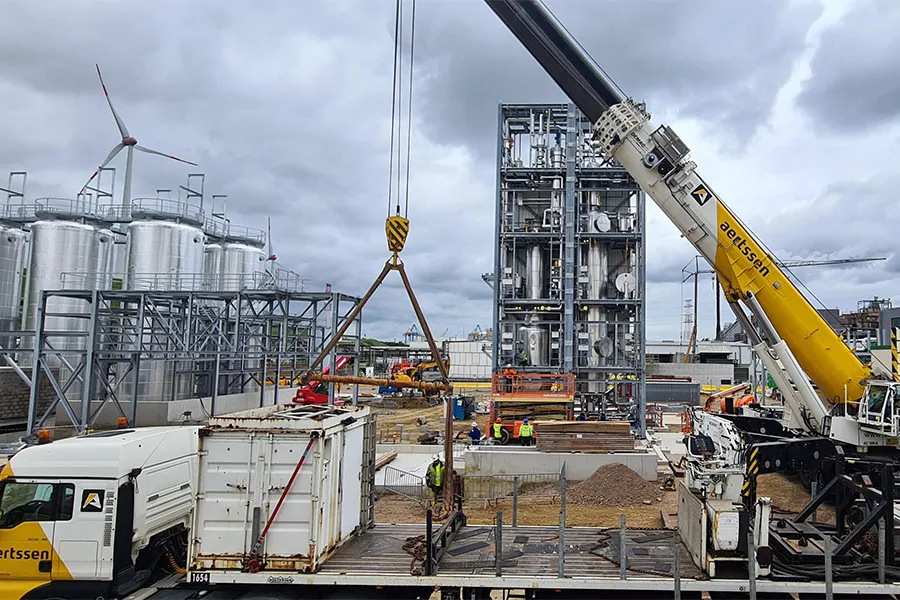
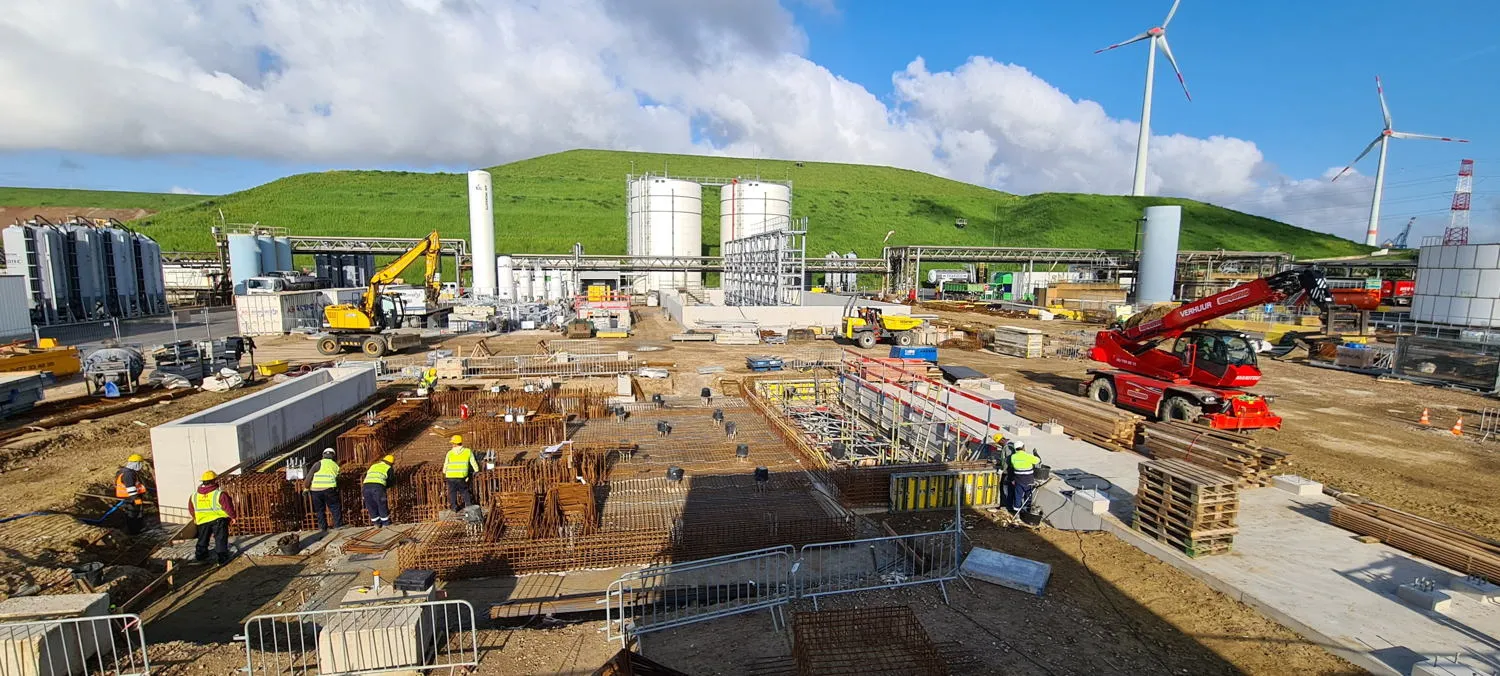
Yoghurt pots and foam trays for meat or fish will be chemically recycled in the Port of Antwerp from mid-2024. This is a European first, as it means polystyrene (PS) and extruded polystyrene (XPS) from the blue bag can be processed into a secondary raw material that can be used to make new packaging, including food packaging. The project is being made possible by Indaver building a new chemical recycling plant in the Port of Antwerp, supported by its partnership with Fost Plus to supply PS and XPS from PMD waste. Colruyt Laagste Prijzen has already made its XPS trays for fresh meat recyclable and aims to switch to fully circular meat trays in the longer term.
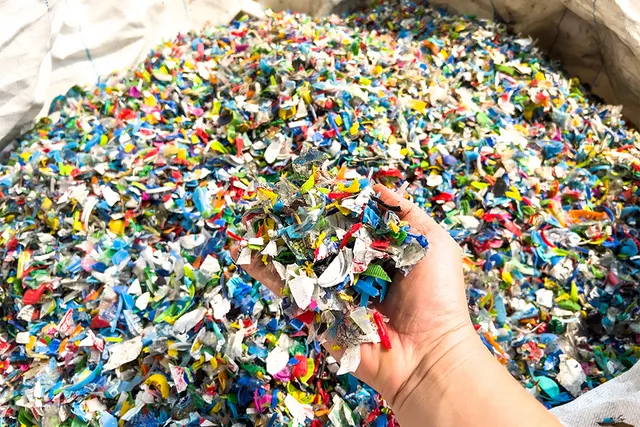
Fost Plus has announced a long-term partnership with Indaver’s Plastics2Chemicals demonstration plant to chemically recycle (X)PS from household packaging waste. From 2024, the new plant will process up to 26,000 tonnes of material into secondary raw materials using depolymerisation technology. The recycled styrene, the end product, will have the same characteristics as virgin material, making it suitable for manufacturing new yoghurt pots and meat and fish trays, as well as other (X)PS packaging.
Erik Moerman, Director Sales and Development at Indaver: “Like certain other plastics, PS has the potential to be used as a circular polymer. The new chemical recycling plant in the Port of Antwerp, combined with the pre-treatment plant we are building at our site in Willebroek, will enable us to process PS and XPS back into monomer. This is unique in Europe.”
Wim Geens, managing director of Fost Plus: “Our goal has always been to bring as much plastic recycling as possible to Belgium. That has not yet been the case for polystyrene, as it accounts for a relatively small share of the blue bag. From 2024, around 3,000 tonnes of PS a year from the five PMD sorting centres will be chemically recycled. This is a Belgian circular economy story we can rightly be proud of.”
Potential for circular foam trays
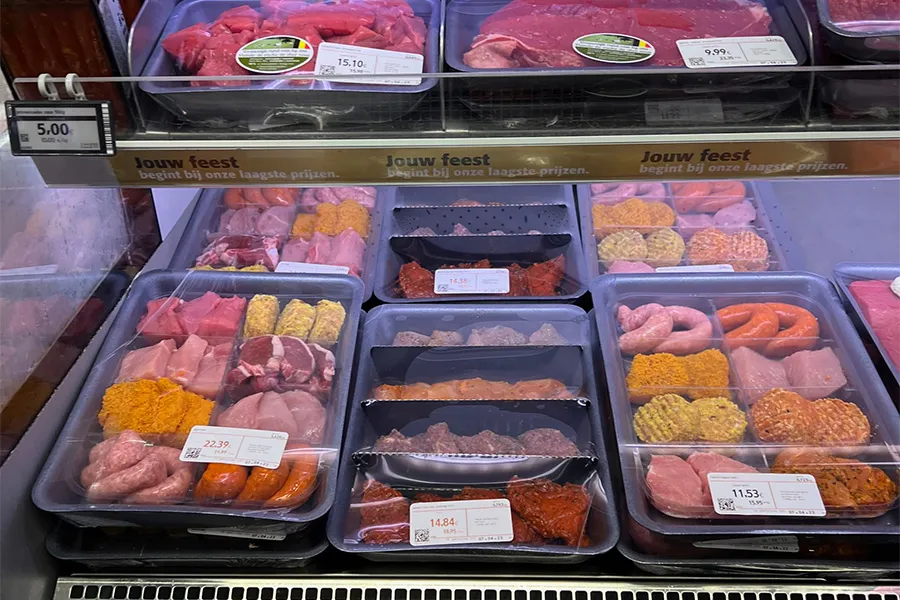
Polystyrene is 1 of the 16 material types sorted at the blue bag sorting centres. Both PS and XPS packaging end up in this fraction and are mechanically recycled. However, recycling XPS packaging in particular presents a complex challenge. Foam trays for fresh meat or fish are among the packaging items that people are most often unsure how to sort. They do belong in the blue bag. But even when they were put in the right bin, they could still escape the recycling stream because of their colour. Packaging containing so-called carbon black cannot be detected by the infrared cameras at sorting plants. These black trays therefore ended up in the residual fraction. Colruyt Group places around 880 tonnes of XPS packaging on the market each year. These are now all dark grey instead of black, making them sortable and therefore recyclable.
Pascal Dekelver, meat division manager at Colruyt Group: “XPS is an interesting packaging material. It has good mechanical properties, being strong and stackable, excellent absorbency and high insulating capacity, which means fresh meat products are less exposed to temperature fluctuations. To increase the recycling rate, we have switched all our black trays to grey. The next step is to add recycled material. We will continue to make our packaging more sustainable, step by step.”
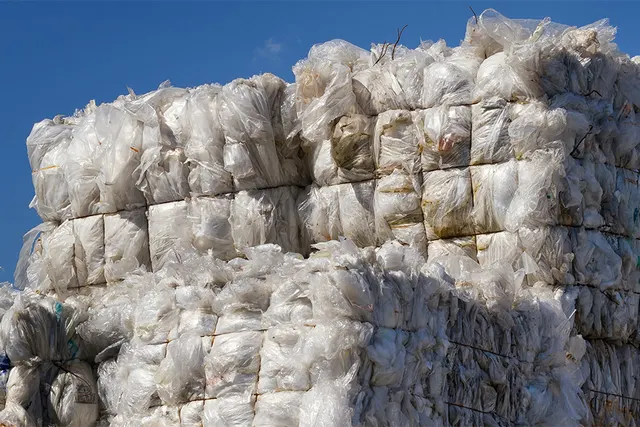
As well as polystyrene, Plastics2Chemicals will also recycle polyolefin, including around 1,000 tonnes of film from the blue bag. This includes, for example, multipack overwrap and bags such as crisp packets.
The current proposal for the European Packaging & Packaging Waste Regulation states that all plastic packaging must contain 10% recycled material by 2030. This is an ambitious target, but one that is necessary to protect the environment and our natural resources. Although recycled PS from mechanical recycling can be used perfectly well to make new products or non-food packaging, it is not permitted for food-contact applications. The new partnership opens the door to circular trays and pots.
Figures
- Plastics2Chemicals has an input capacity of 26,000 tonnes of PS (polystyrene) and PO (polyolefin) and is due to start up in mid-2024. Planned industrial-scale expansion to 65,000 tonnes from 2027 will make it Europe’s largest depolymerisation recycling plant.
- The high-tech recycling plant in the Port of Antwerp represents an investment of 100 million euros and will create 60 new jobs. The pre-treatment plant in Willebroek is being built at a cost of 30 million euros and will create 25 new jobs.
- In the longer term, 3,000 tonnes of PS and 1,000 tonnes of PO from the blue bag will be recycled each year.
- Colruyt Group is switching 880 tonnes of black XPS packaging to improve its sortability and recyclability.
- Nearly one in five Belgians do not sort plastic foam trays with PMD waste (18%, Fost Plus survey 2022, N = 2,500).
- Per tonne of PS: 3,500 kg CO2 saved compared with recovery.
Question about this story? Ask your question
Keep following this
Get an email when a new story is published. No account needed.
- ThemeMaking plastics and packaging circular
- SubjectWaste paper