An efficient online marketplace for paper trading
The traditional way of visiting collectors to check the quality of paper bales is outdated. This could be done much more efficiently and, with Covid in mind, more safely through an online platform.
Port of Paper was born from this idea. Veyzle brings recycling companies and paper mills together in a single large network, ensuring that collectors get the right price and buyers get the right quality. A win-win on paper and in the field.
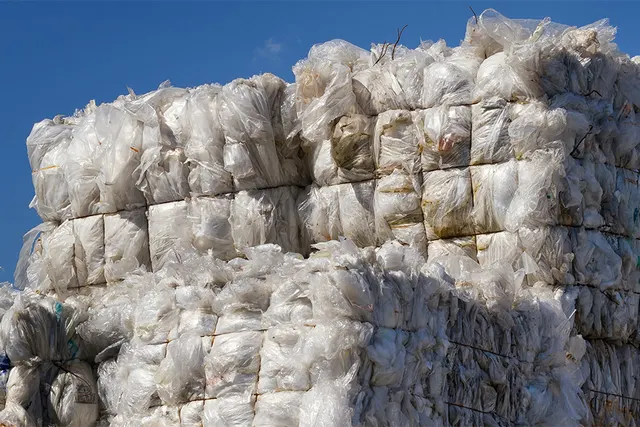
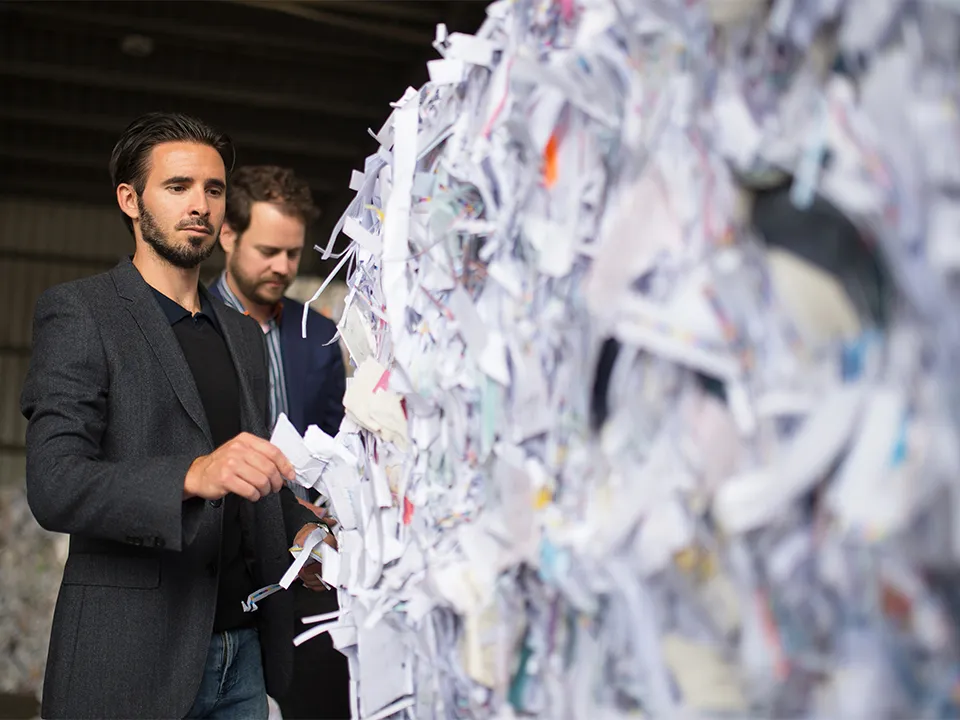
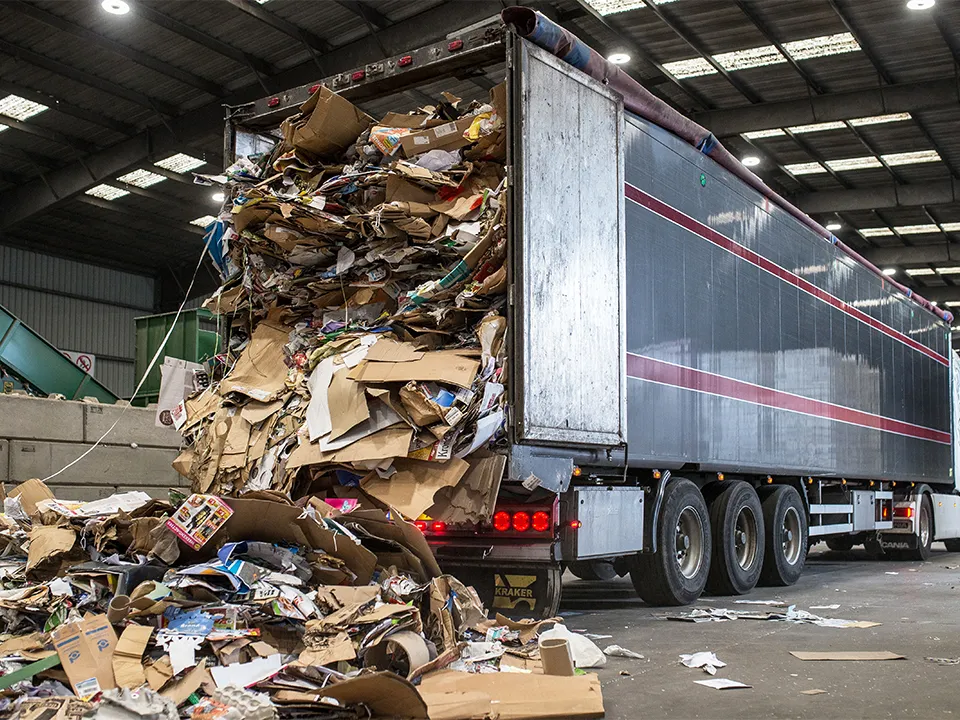
Veyzle specialises in the processing and treatment of paper and plastics. It was recently formed by the merger of two long-established family businesses in Dutch Limburg, with more than 70 years of recycling experience in their DNA. They came together around a shared mission: to return as many raw materials as possible to the circular chain. Today, this work is carried out at two sites in Sittard and Hoensbroek. Veyzle is part of the larger Ortessa group, a family business with a passion for renewable materials. Director Guido Kramer: “Paper is our largest waste stream. We sort mixed paper into pure paper grades to add value for recycling. We also cut paper from reels, destroy (complete) archives and then press the processed paper into bales. We can sell these to paper traders or directly to paper mills. We are firmly committed to quality. Especially in a world where the door to exports to China is closed, this is how you ensure that you can also sell your products at a good price.”
A large network for trading paper
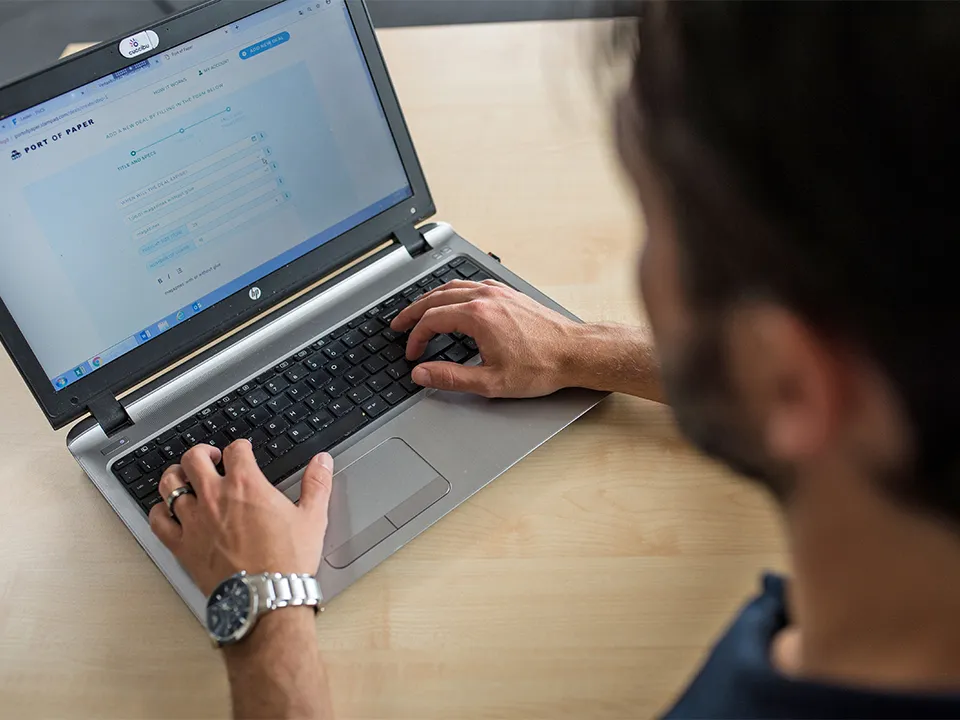
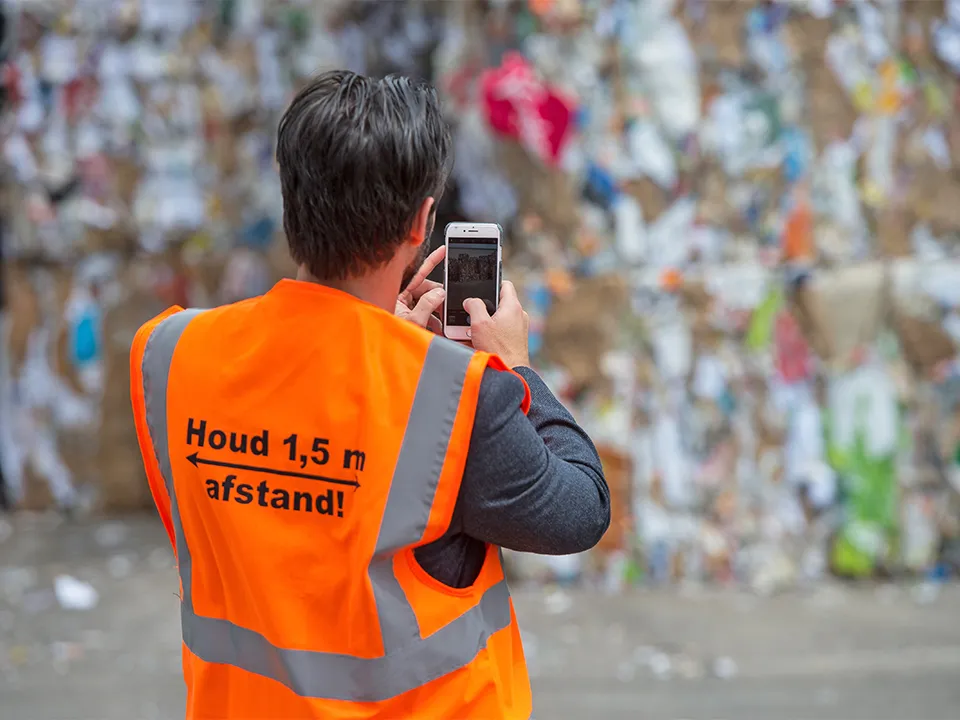
Kramer did, however, have some questions about exactly how the process worked. Kramer: “Traders would come to our site or location, have a cup of coffee and then take a look at the types of paper ready for transport. It was certainly sociable, but surely there had to be a better way?” This gave him the idea of building an online marketplace of sorts: a platform where recycled paper could be traded reliably. Port of Paper was born. “This kind of marketplace is already commonplace in various sectors, but this development is quite exciting for the paper industry. Recycling companies can use photos and the correct EN numbers to indicate exactly what type of paper they have on offer. The advantage is that their offer will reach a much larger network. Paper mills and traders can see the classification (EN number) and quality clearly from their computers, without having to travel back and forth. The recycling company chooses which partner it wants to make a deal with and then receives all the information it needs for logistics from Port of Paper. We safeguard the reliability of all parties on the platform by including reviews. Quality will be crucial here too,” Kramer emphasises.
Time savings and less administration
Port of Paper only launched in September. “Every week, we welcome new members who use the platform. Initially, the platform will be free to use; later, we will introduce a subscription model. This gives every link in the chain a chance to experience the benefits it offers and allows us to build a large network. In time, we want to become an international platform serving paper mills and recycling companies around the world. The larger the network, the more we can all gain. The main benefits are, of course, time savings and less administration. Working with EN codes also makes it possible to organise everything very systematically. And the impact of the coronavirus crisis has shown us all how important it can be to do business remotely,” Kramer concludes.
Question about this story? Ask your question
Keep following this
Get an email when a new story is published. No account needed.
- ThemeMaking use of textiles and other waste streams
- SubjectWaste paper