Battery Fire Taskforce presents 2023 Annual Report
Text Roel van GilsImage Doe Maar Apart
Concrete action to minimise the number of battery fires
Battery fires are a societal problem that requires action from all parties across the chain. The various chain partners, BRBS Recycling, NRF, NVRD, Stibat Services, Stichting OPEN, TLN and Vereniging Afvalbedrijven, established the Battery Fire Taskforce to tackle the problem together. In its recently published 2023 Annual Report, the taskforce sets out the measures taken to further reduce the number of battery fires. An overview.
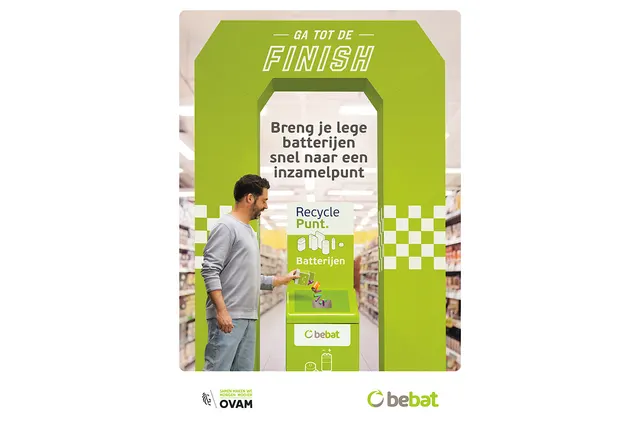
The Battery Fire Taskforce’s overall objective is to increase the proportion of batteries available for collection (loose and in electronic equipment) that are collected separately, with the aim of reaching 100% in the longer term. To achieve this, an action plan with concrete measures has been drawn up. Each measure has an assigned lead responsible for its implementation, schedule, duration and cost estimate. The first step was the joint ‘Doe maar apart’ communications campaign, launched during the waste sector’s Safety Week from 5 to 9 June. According to the taskforce, the campaign’s message positively encouraged people to hand in batteries (and devices containing batteries) separately. The campaign was promoted again during National Wecycle Week in October 2023. It has been evaluated and will be repeated in June 2024.
Survey of SMEs on the return of B&BE
Under the Waste Electrical and Electronic Equipment (WEEE) Regulations, municipalities are required to provide sufficient drop-off facilities for discarded equipment. Private individuals, non-private waste producers and distributors can all return discarded devices at these facilities. However, this gives rise to practical and legal problems. This prompted the taskforce to launch a survey of SMEs on returning B&BE (loose Batteries and Battery-containing Electronics) at municipal recycling centres. The taskforce has also asked lenW (the Dutch Ministry of Infrastructure and Water Management) to make it legally possible to open municipal recycling centres more widely to business WEEE.
Developing a methodology to measure battery-related waste fires
Another taskforce initiative is to develop a methodology for measuring battery-related waste fires. There is little insight into the number of waste fires in general, and battery fires in particular. The sector needs to collect data to improve this understanding. This will help measure the impact of existing and new measures.
Survey of WEEE in metal containers
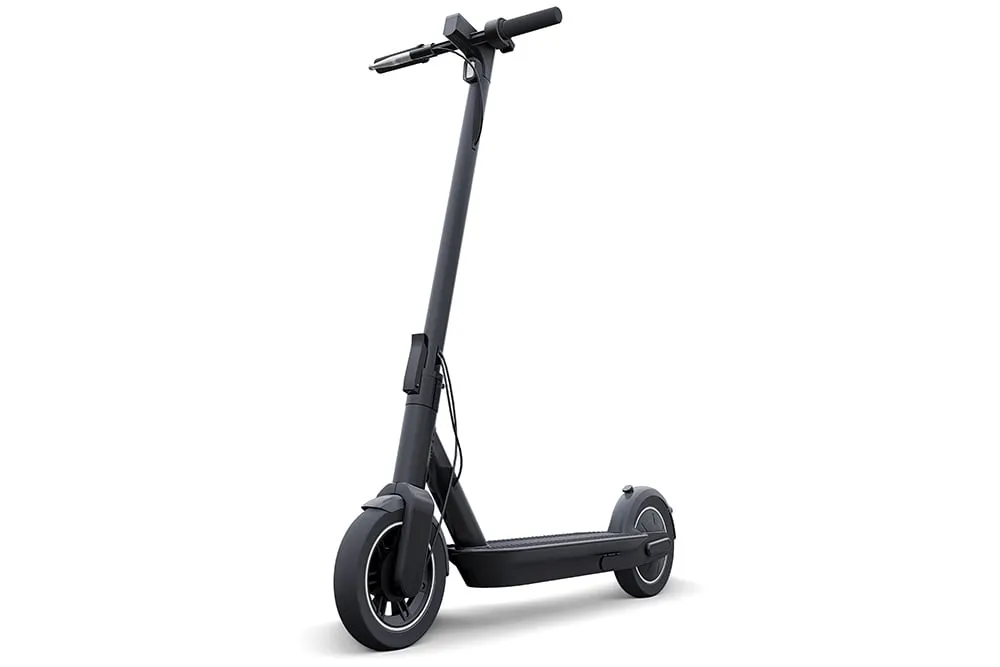
A survey was conducted to identify devices and batteries in metal containers at municipal recycling centres. Ten metal containers were sorted, totalling 39,700 kg. Just 0.26 kg of loose batteries were found, a negligible amount. A further 269 electrical devices were found (966 kg, or 2.43% by weight). Of these, 83 were light fittings, with no batteries. Three other devices were found to present an elevated risk. These were electric scooters. Because of their relatively large battery packs, electric scooters can pose a risk if they are damaged, for example when a metal container is tipped out. The survey concluded that the risk of waste fires caused by loose or built-in batteries in metal containers at recycling centres is low.
Survey of WEEE in residual waste
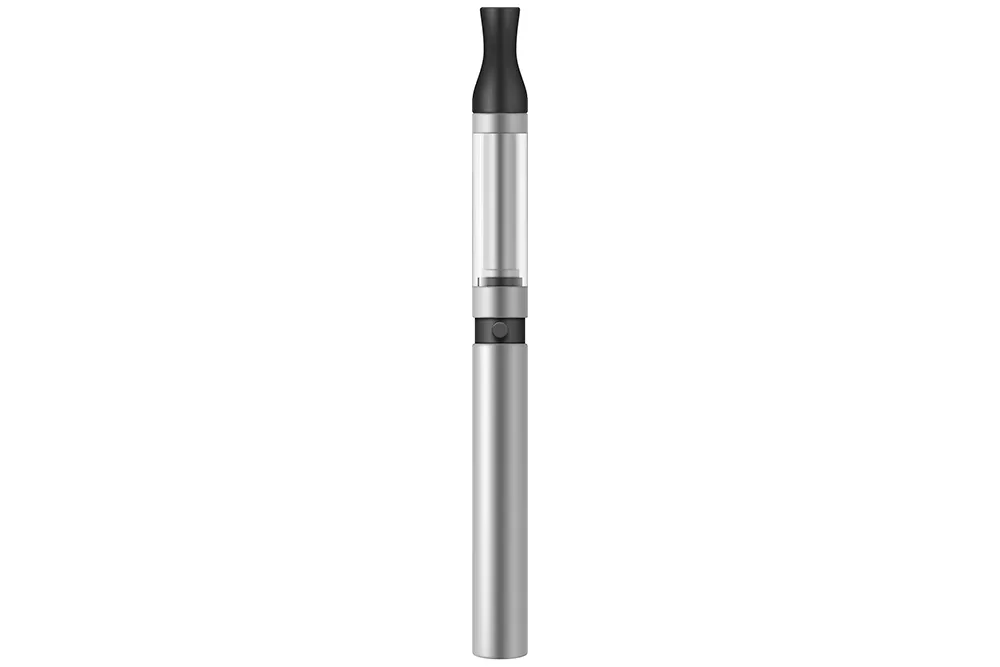
The proportion of WEEE at recycling centres is therefore low, but what about batteries and battery-containing WEEE in residual waste? A detailed survey of 29,000 kg of residual waste and PMD found 729 loose batteries and 261 devices. Of these, 58 devices were considered high-risk, 57 of which were highly likely to contain a lithium-ion battery. Of those 57 devices, 48 were vapes. An average refuse collection vehicle contains around 20 vapes. The survey concluded that vapes pose the greatest risk of waste fires during the collection of household residual waste. It also highlighted the importance of collecting data on waste fires in order to measure the impact of measures. A study is now being launched into financial incentives for returning vapes. The findings will inform the next steps. Cooperation from the Ministry of Health, Welfare and Sport will also be required.
Question about this story? Ask your question
Keep following this
Get an email when a new story is published. No account needed.
- ThemeCircular processing of electronics and batteries
- SubjectElectronic waste