Setting new targets for electrical waste collection
Text and images Stichting OPEN
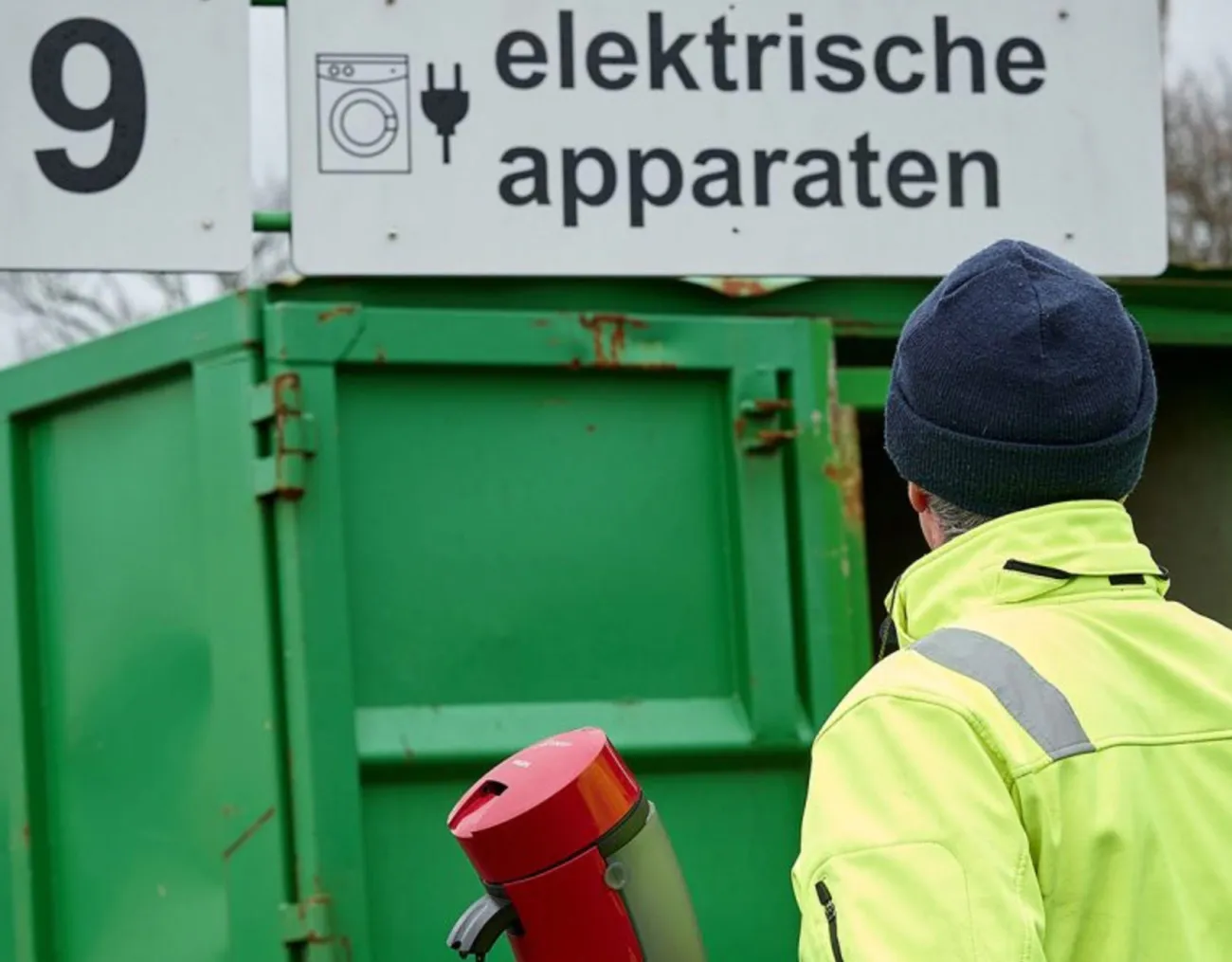
Stichting OPEN welcomes the growing attention to the circular economy in the Dutch government’s Budget Memorandum. At the same time, the organisation notes that outdated targets are standing in the way of the government’s circular ambitions. Stichting OPEN is calling for targets that promote circularity.
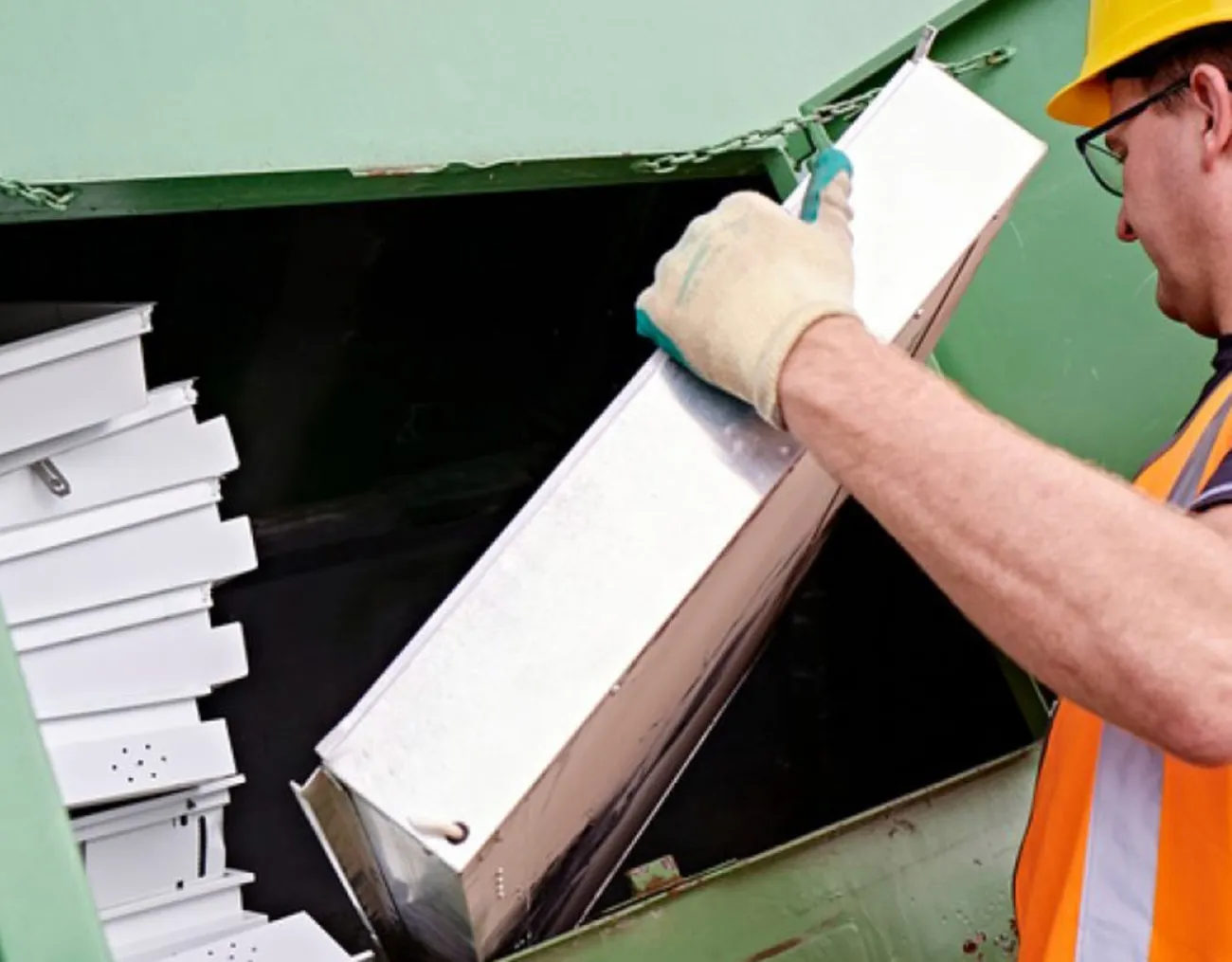
However, the necessary changes to European legislation are still a long way off. The new EU targets are not expected before 2028. “The Netherlands has an opportunity to start building a circular e-waste sector now,” says Steven van Eijck, chair of Stichting OPEN.
Circular by 2050
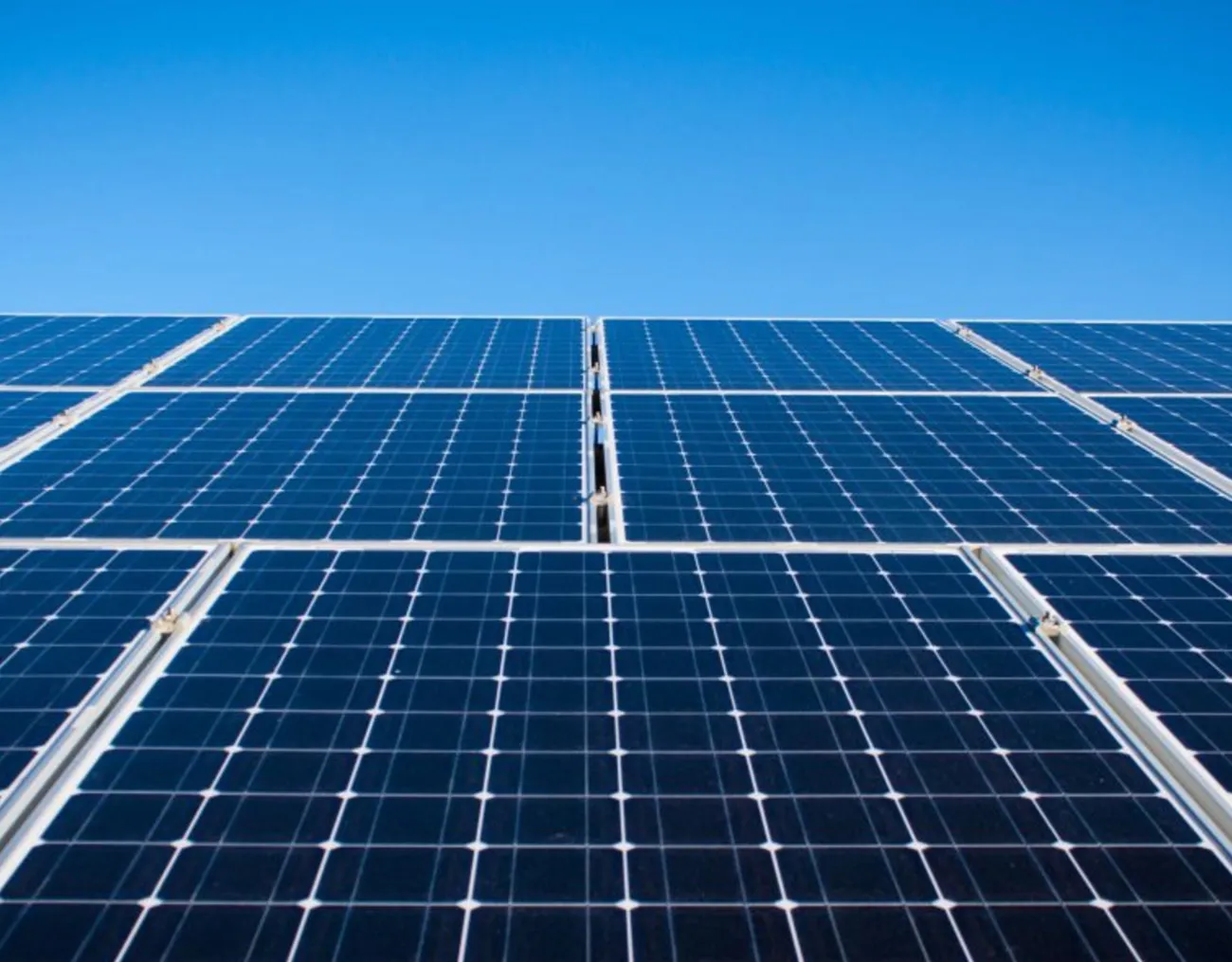
Stichting OPEN is calling for a collection target that supports the transition to a circular economy. The coalition agreement states that the Dutch economy must be fully circular by 2050. “There is still a lot to do,” Steven stresses. “Under the current targets, we are effectively required to take solar panels off roofs after three years, for example, to meet the collection target. That is not only a waste, it also creates the wrong incentive.”
Picking up the pace
There is an urgent need to pick up the pace, not only because of the government’s circular ambitions, but also because of the strategic importance of the raw materials that can be recovered from e-waste. According to Steven, making the fullest possible use of ‘above-ground’ raw materials and taking a broader perspective than e-waste recycling alone are crucial. He is also discussing this with the state secretary. Those talks show that the state secretary also recognises the need to broaden extended producer responsibility (EPR) beyond recycling alone. “Through Wecycle, we are working hard to make consumers aware of the importance of handling e-waste responsibly. It is now up to the government to take substantial steps and set an appropriate circularity target.”
While awaiting that legislation, Stichting OPEN and its partners will continue working to ensure that e-waste is processed to ever higher standards, as well as supporting and developing circular projects. Steven says: “It is also important to encourage circular innovation. Electrical appliance manufacturers are already working on this themselves, but we believe that the Growth Fund could provide some of the financial incentive needed.”
Question about this story? Ask your question
Keep following this
Get an email when a new story is published. No account needed.
- SubjectElectronic waste