“The Green Deal has not been buried by the coronavirus crisis, it has been strengthened”
The coronavirus crisis is currently dominating our lives, but climate change has not stopped either.
Europe therefore wants to be climate-neutral by 2050. How are we doing? Danielle Devogelaer, an energy expert at the Federal Planning Bureau, made a notably positive case in ‘Building a positive energy story’, the interview series by gas.be and Kanaal Z. “The days of incremental steps are over. It is time for a major transformation, an energy transition.”
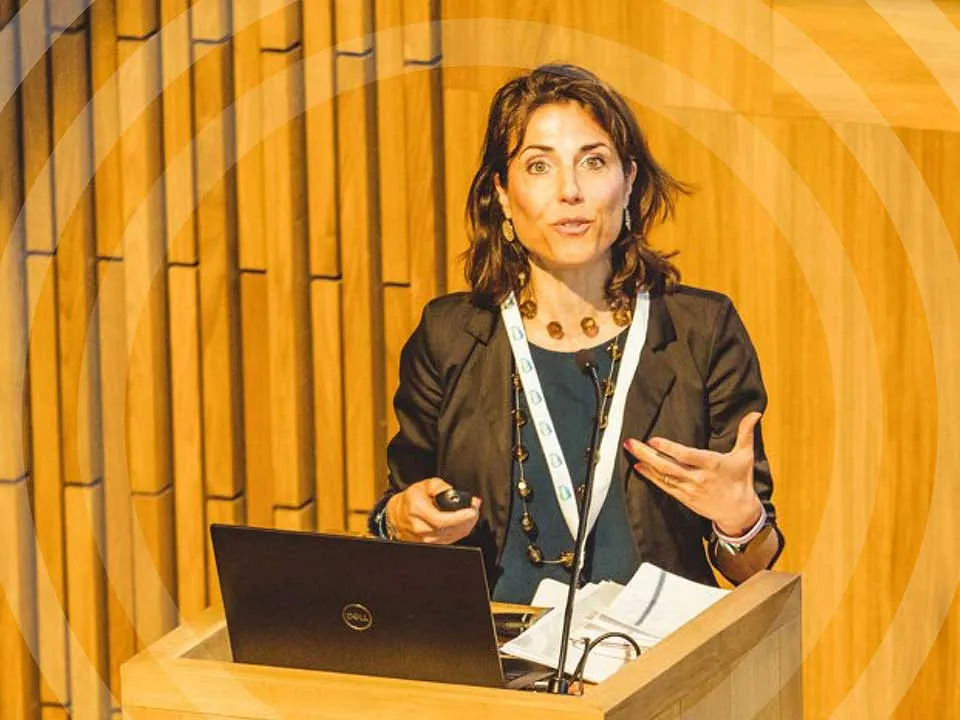
Coronavirus or not, the Green Deal to meet the European climate targets remains in force. The ambitions have also been raised somewhat: by 2030, Europe wants to cut greenhouse gas emissions by 55%, and by 2050 to become a fully climate-neutral continent. How are things progressing? Are we on the right track? How can we get there without too many setbacks? “It may be surprising that the Green Deal has not been abandoned despite the coronavirus crisis,” says energy expert Danielle Devogelaer of the Federal Planning Bureau, which advises the government. “The economic recession could have been used as an argument for burying the Green Deal, but in fact we are seeing the opposite. Climate targets are being linked to recovery funds and stimulus plans. Huge budgets are being made available to encourage Member States to invest in green measures. ‘Prepare and repair the future’, that is the motto.”
Yellow vests
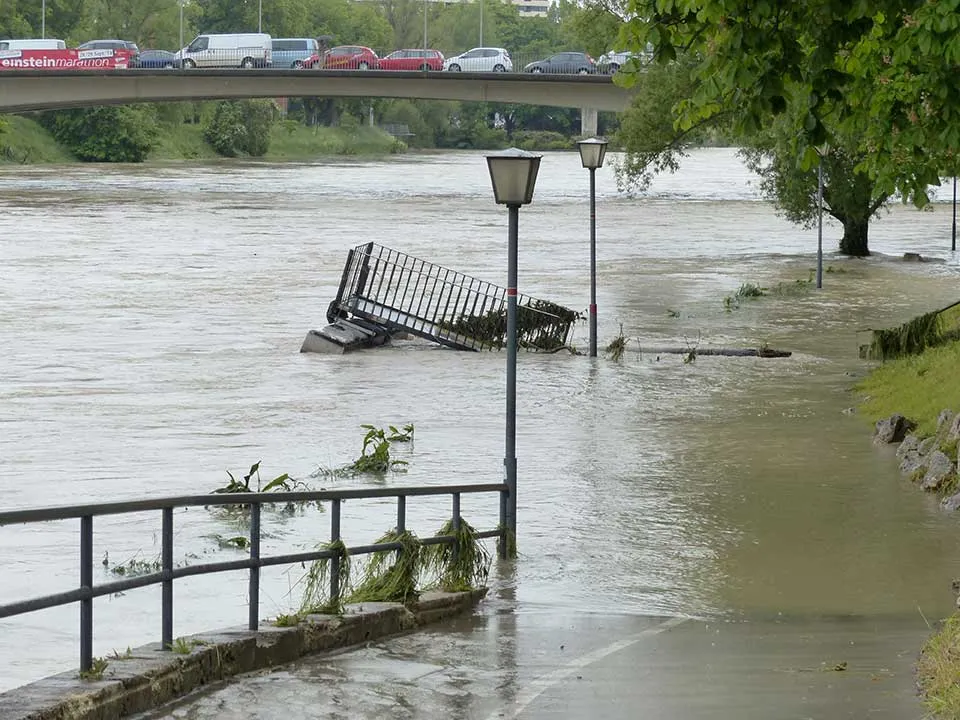
At the same time, we must not turn a blind eye to the cost of the transition. “I would quote European Commissioner Frans Timmermans: ‘The transition will be just or there will be just no transition.’ We need to bring the so-called ‘yellow vests’ of last year into this discussion. It will not be cost-free, but everyone will be able to benefit. Through the reallocation of resources and job creation, the transition must be as fair and equitable as possible. Moreover, everyone needs to understand the alternative: if we do nothing to combat global warming, we will have to invest heavily in adaptation. Just think of raising dykes and rebuilding infrastructure after storms. In the long run, that will cost much more,” says Devogelaer.
Challenges and opportunities
“Many people see this as a revolution that brings many challenges and concerns,” Devogelaer continues. “That is partly true, but at the same time there are also plenty of opportunities to seize. Belgian companies working on the energy transition and among the world’s best are ready to contribute.” Devogelaer also recognises, however, that the bar is high and the timetable very tight. “For a densely populated country like Belgium, the 2030 ambitions are not straightforward, particularly because we have an energy-intensive industrial sector and one of the oldest building stocks in Europe. On the other hand, these challenges create opportunities for the construction industry and other sectors.”
Nuclear power plants
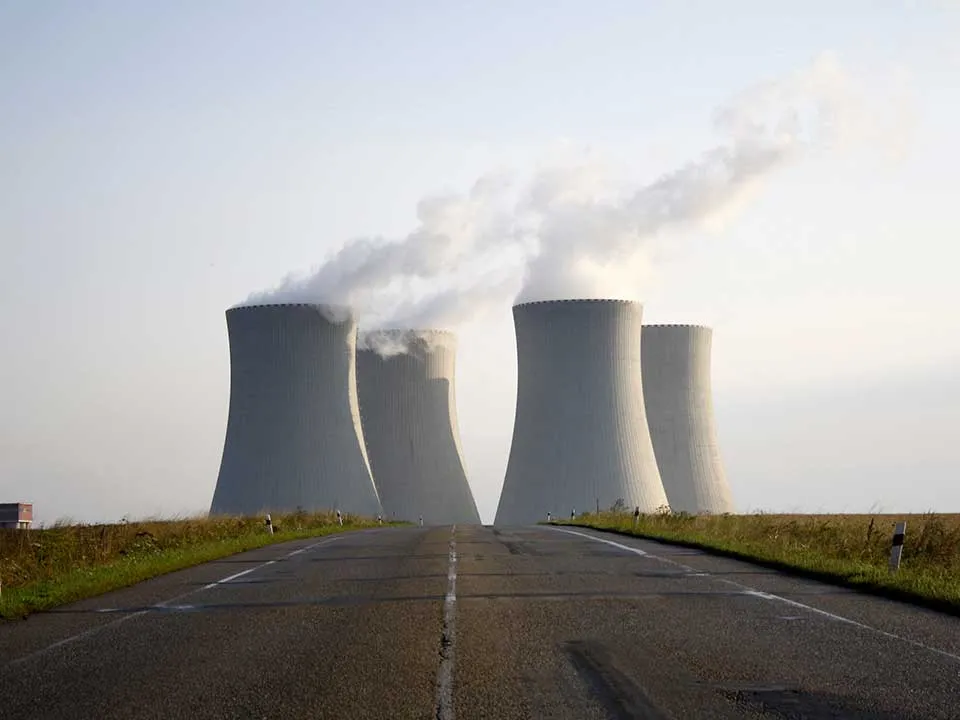
The climate issue cannot be considered separately from the debate over nuclear power plants. Whether for or against, Devogelaer is above all pleased that the government has set out clear guidelines. She also rebuts criticism of the gas-fired power stations that will be built to compensate for the nuclear phase-out. “It is not the case that the 6 GW of nuclear capacity will be replaced one-for-one by new gas capacity. We expect to have access to considerably more wind and solar power by 2025. But there will always be a shortfall that we need to cover with gas-fired power stations. Gas units will remain a crucial element in the energy landscape of the future. By 2050, we will no longer be talking about natural gas, a fossil fuel, but about sustainable alternatives such as biogas, hydrogen and synthetic gases.” In that respect, Devogelaer is pleased about the launch of the first Belgian biomethane plant in Fleurus. “We are building up the necessary expertise and eagerly following the rapid developments in other countries, such as Germany, France and Italy. They are leading the way, and as a small country we will benefit from that.”
A mix is needed
If Devogelaer believes gas will continue to play an essential role, does she also reject the prospect of extensive electrification of society? “There will always be a need for a mix,” she says. “A great many applications appear impossible to electrify, such as long-haul flights and industrial processes requiring very high temperatures. Even in its most ambitious climate scenarios, the European Commission assumes an almost 50/50 split. So we will continue to need molecules.”
A fairy tale
“Belgium as an energy-independent country is a fairy tale. And it would not make economic sense either,” Devogelaer continues. The expert says energy imports should not be taboo. “Even today, we already depend on imports from abroad for 80 to 85% of our energy. That makes us somewhat vulnerable, but as long as this is backed by sound policy, the risks are limited. Take natural gas imports: we import 100% of it, but deliberately avoid putting all our eggs in one basket. We import from Qatar, the United Kingdom, Norway and the Netherlands, among others. We also use not only pipelines, but LNG and tankers.” She also sees an important role for imports when it comes to innovative technologies such as biomethane and hydrogen. “Space in our own country is limited, so we must not close our eyes to promising opportunities abroad.”
Question about this story? Ask your question
Keep following this
Get an email when a new story is published. No account needed.
- SubjectElectronic waste