From memorable moments with your lamp to a new appliance:
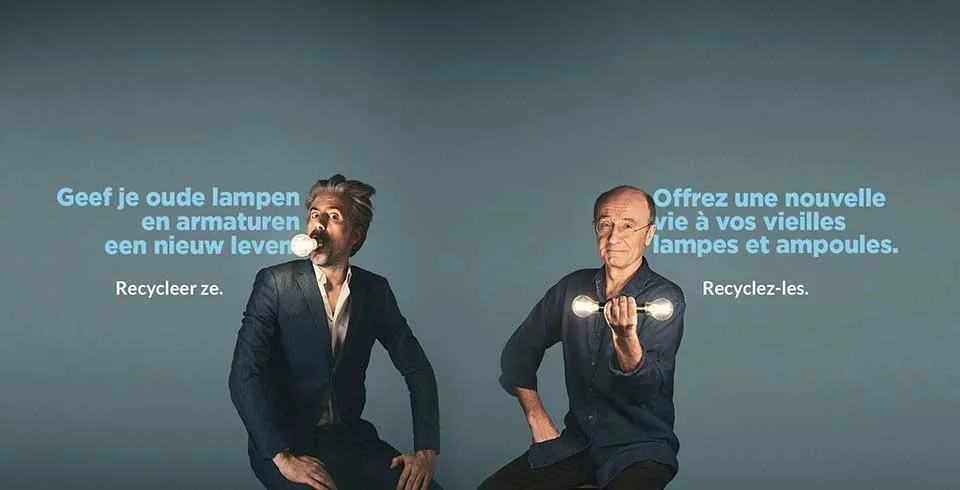
Belgians collect more than 10 million lamps.
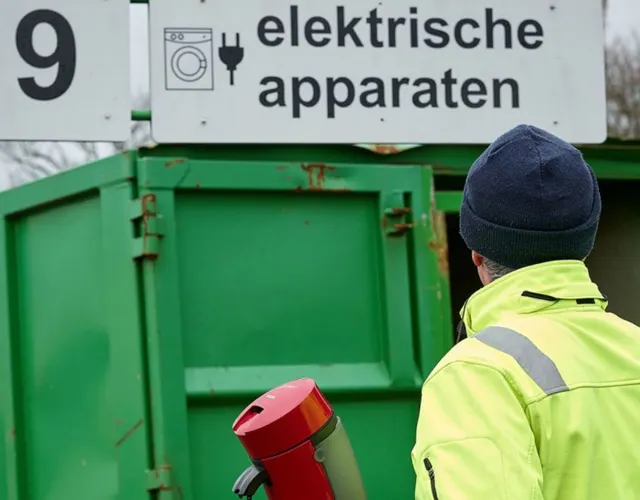
Belgians took more than 10 million lamps and 3,383 tonnes of lighting fixtures to a Recupel collection point. With a new campaign, Recupel is urging all Belgians to keep up this effort, so that the materials in broken or old lamps and lighting fixtures can be given a second life through recycling or reuse. The figures clearly show that this collection effort is worthwhile: in 2019, 1,260 tonnes of finely crushed glass were recycled from the more than 10 million lamps collected. This recycled glass can be used to manufacture new lamps or for other applications. To encourage all Belgians to take their lamps and lighting fixtures to a Recupel collection point, the non-profit organisation has joined forces with Jeroom and Geluck.
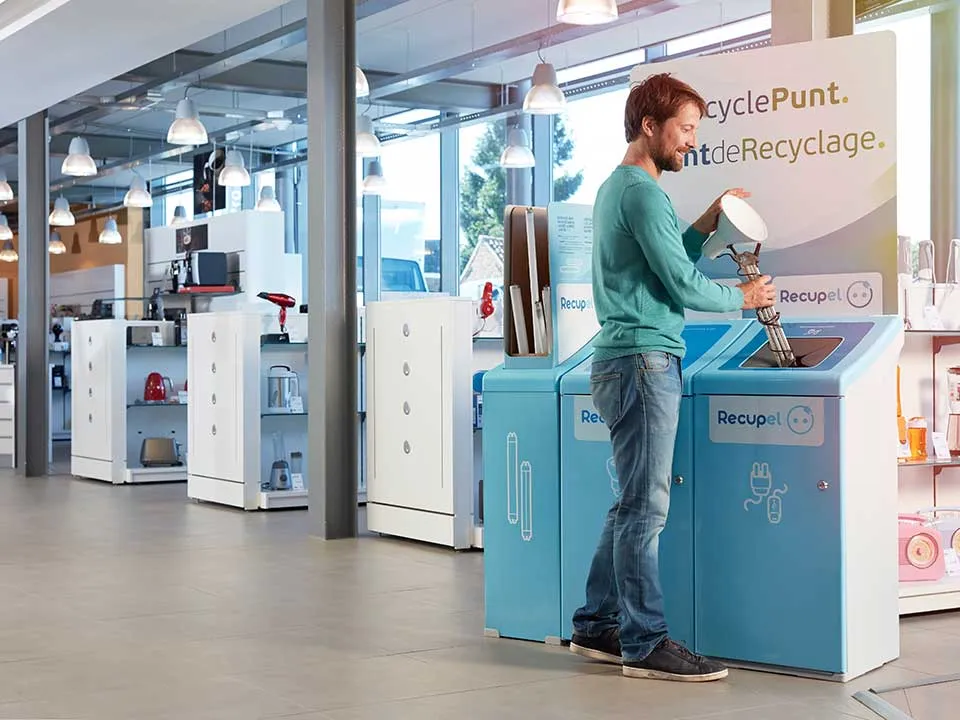
In 2019, Belgians took 10.4 million lamps to a Recupel collection point. That was 800,000 more than the previous year, an increase of 8%. Recupel collects gas-discharge lamps (energy-saving bulbs and fluorescent tubes, 97%) and LED lamps (3%). Recupel is also responsible for collecting lighting fixtures, such as lampshades, floor lamps and pendant lamps. In 2019, 3,383 tonnes of lighting fixtures were collected, an increase of 19% compared with 2018 (2,483 tonnes).
Recycling lamps gives materials a second life
After consumers take their broken lamps to a Recupel collection point, the lamps are transported to Indaver in Doel for recycling. The recycling process allows materials found in lamps, such as glass, fluorescent powder and iron, to be reused in the manufacture of new lamps or for other applications. To illustrate: 10.4 million lamps were collected in 2019. Using advanced recycling technologies, 1,260 tonnes of glass were recycled from these collected lamps. Gas-discharge lamps also contain hazardous substances, such as mercury, which are safely and properly removed by specialist processors. If these lamps end up in household waste bags or bottle banks, they can break and pose a danger to people and the environment. A Recupel study found that around 5% of all Belgians dispose of lamps with household waste, 5% wrongly put them out as bulky waste and 4% take them to glass recycling containers.
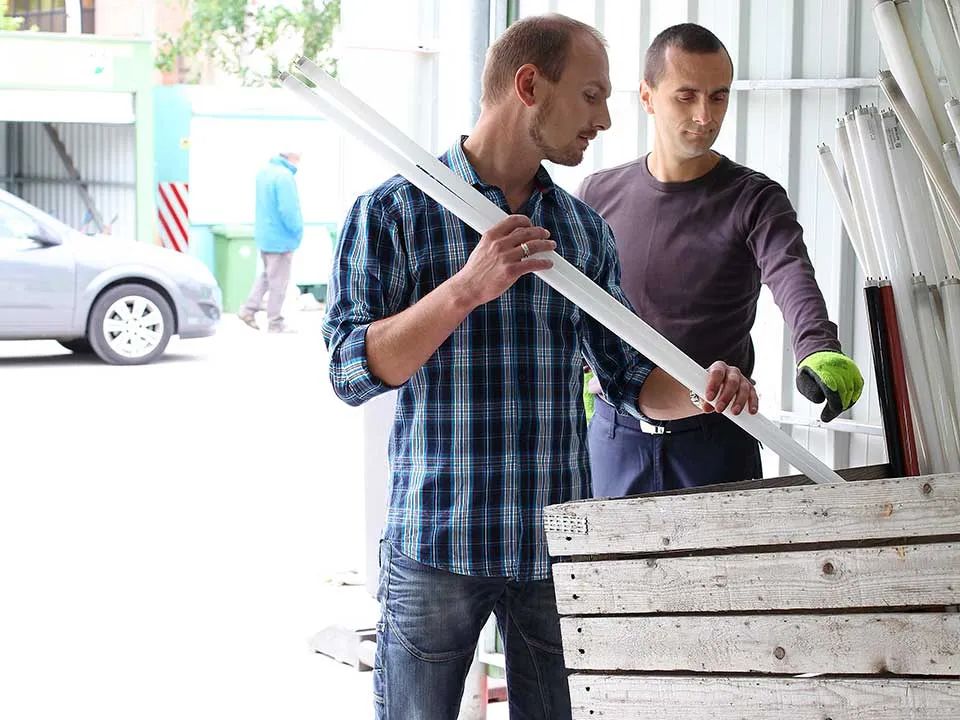
From warm memories to a new appliance
To highlight the importance of collecting lamps and lighting fixtures, Recupel has joined forces with Jeroom and Geluck. From warm memories and memorable moments to a new appliance: that is the central message of the new advertising campaign. Although a lamp is small, it can be unconsciously associated with powerful emotions or memorable moments. Once it breaks, it is important to take lamps and lighting fixtures to a collection point so that their materials can be reused to manufacture new lamps and other products. The advertising campaign was launched on 26 January on Belgian radio and television channels. This presence on radio and TV will be complemented by a greater presence on social media and in magazines. With this campaign, Recupel hopes to encourage everyone to take broken lamps and lighting fixtures to a Recupel collection point. The website lists the collection points.
Keep lighting fixtures out of metal skips
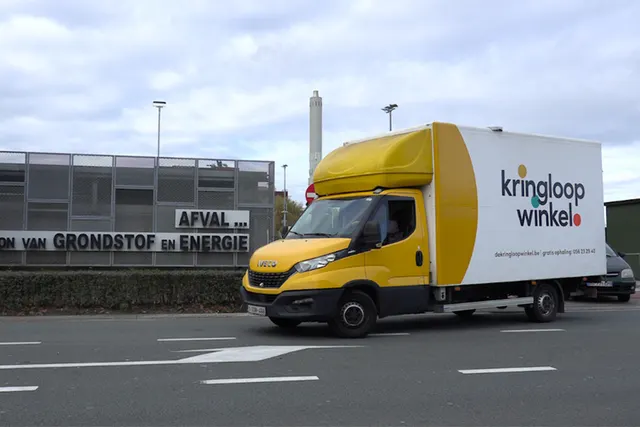
“Lighting fixtures still too often end up in metal skips. They do not belong there, because they have a power cord and are therefore electrical equipment. Although our collection figures are moving in a positive direction, just 13.4% of all lighting fixtures placed on the market are currently collected. That figure needs to increase, because broken lighting fixtures also contain many materials that can be recycled. If a lighting fixture is not broken, we advise consumers to take it to a Kringwinkel for reuse,” explains Eric Dewaet, CEO of Recupel. “Every Belgian who takes a lamp to a Recupel collection point is doing something good for the environment. Recycling gives lamps a second life, because a broken lamp contains materials that can be used to manufacture, among other things, new lamps. The more materials from broken lamps we recycle and put back into circulation, the fewer new raw materials we need to extract. This principle is known as urban mining. That is why we want to persuade all Belgians to bring in their lamps, so that we and our partners can ensure these materials are not lost, but given a new lease of life.”
Question about this story? Ask your question
Companies in this story
Keep following this
Get an email when a new story is published. No account needed.
- ThemeCircular processing of electronics and batteries
- SubjectElectronic waste
- CompanyRecupel