Every Belgian household has 11 electrical and electronic appliances that are no longer used
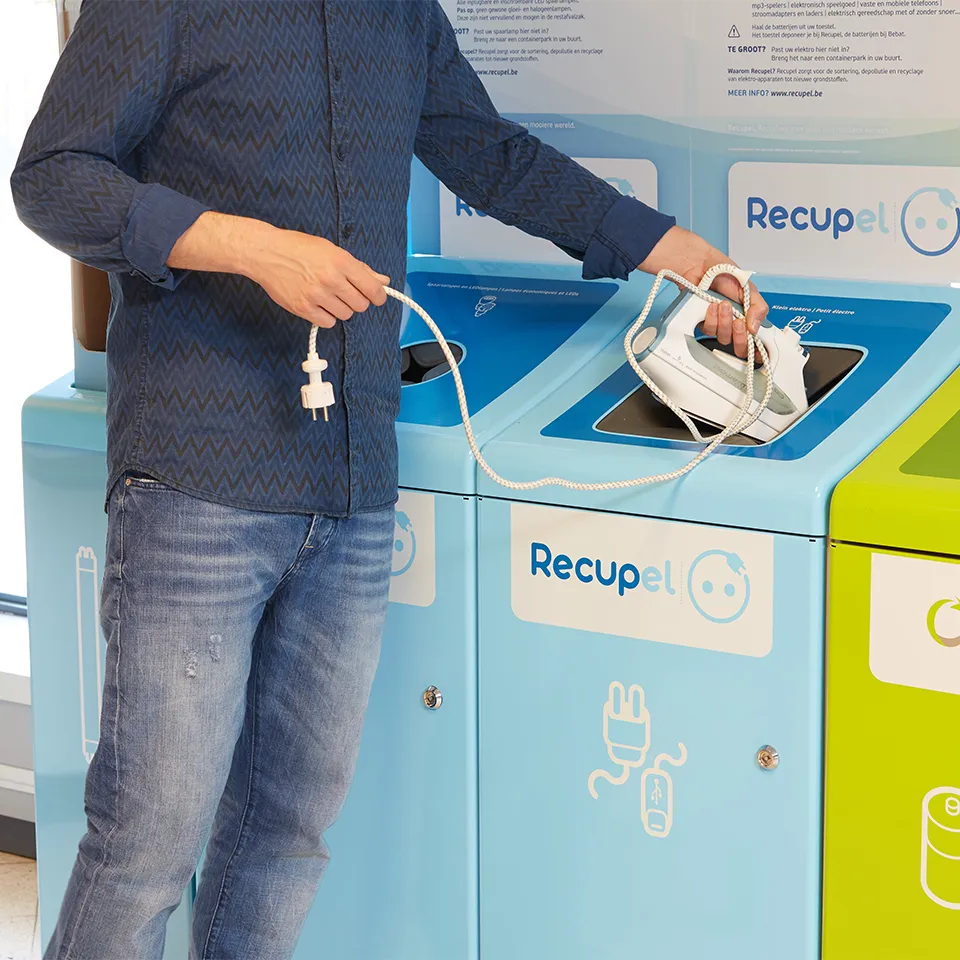
The European Week for Waste Reduction starts tomorrow (21/11-29/11), raising awareness of the sustainable management of raw materials and waste.
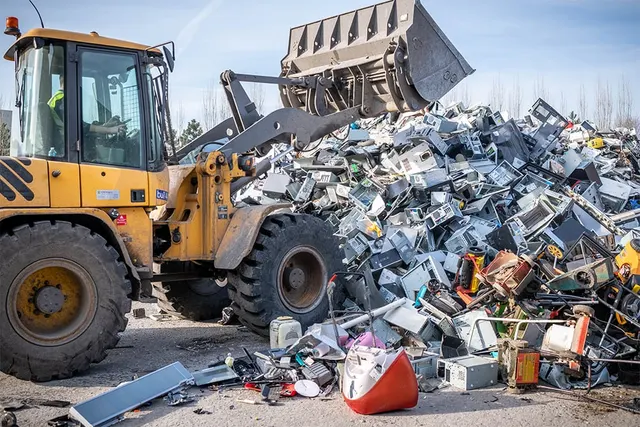
Too many raw materials are currently gathering dust in Belgian households, while some are becoming increasingly scarce. Recupel, the non-profit organisation responsible for collecting and processing discarded electrical and electronic equipment and lamps, has found that 51 million electrical and electronic appliances are lying unused in Belgian households, or 11 per household. This represents untapped potential for reuse and recycling.
In 2019, Belgian households owned a total of around 392 million electrical and electronic appliances, or 79 per household[1]. This is an increase of 14.5 million appliances compared with the previous survey in 2017, and follows the international trend of steadily rising consumption of electrical and electronic appliances[2]. The biggest change was in the ICT category, with a rise of no fewer than 7 million appliances owned.
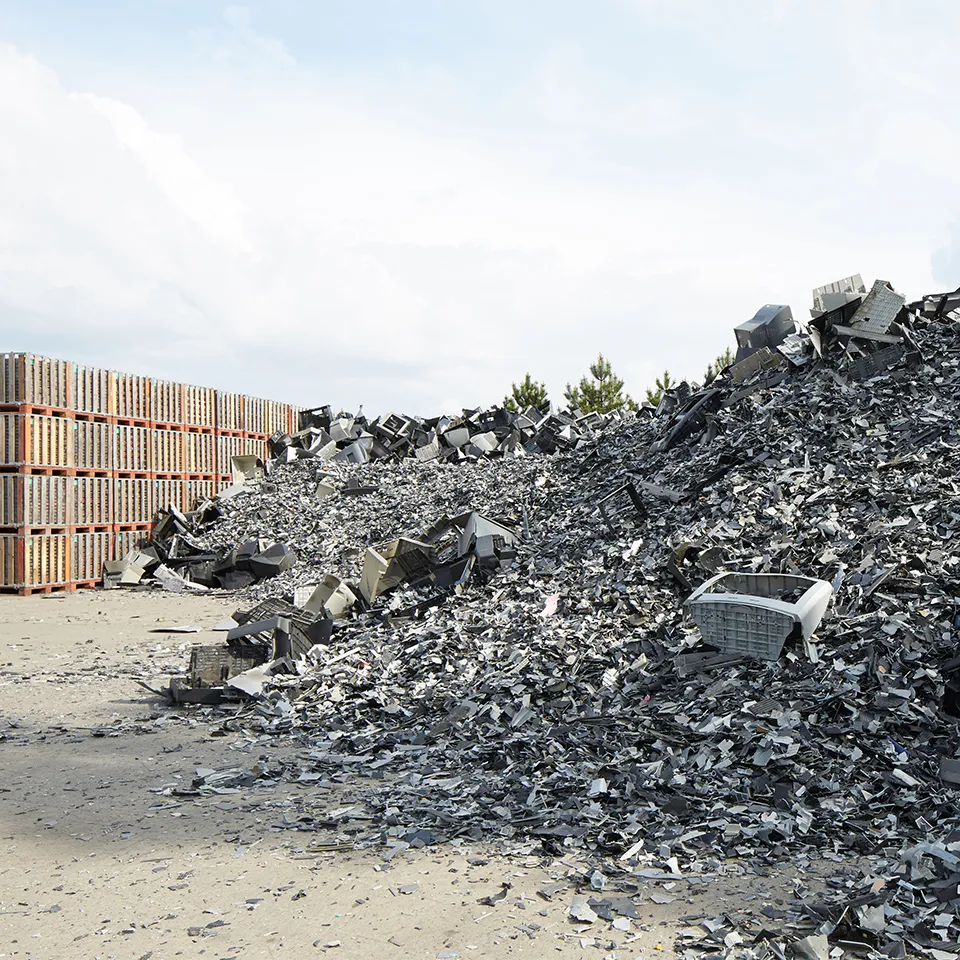
Too many unused electrical and electronic appliances
No fewer than 51 million unused electrical and electronic appliances are gathering dust, or 11 per household. These include both appliances that are broken and those that still work but are no longer used. Notably, 42 million appliances, or more than 80% of those no longer in use, are still working.
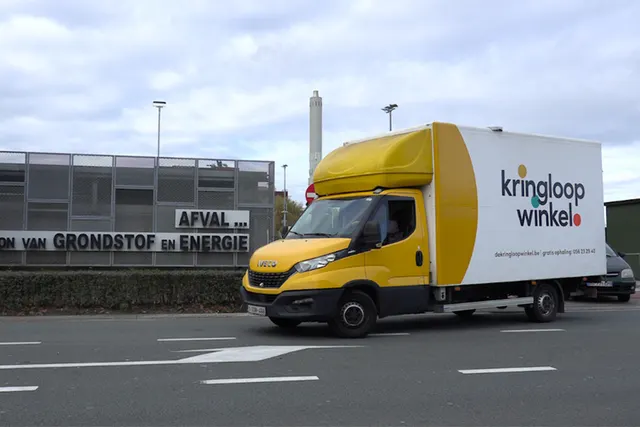
“Working appliances can be taken to the Kringwinkels, with whom we work. They ensure that the appliance is repaired and resold in their shops at affordable prices. If it can no longer be repaired, Recupel ensures that it is recycled properly so that the raw materials can be recovered,” says Eric Dewaet, CEO of Recupel.
The five appliances most often no longer used despite still working are:
- Projector: 62% (of all projectors owned are no longer used, but still work)
- Digital photo frame: 52%
- Beer dispenser: 35%
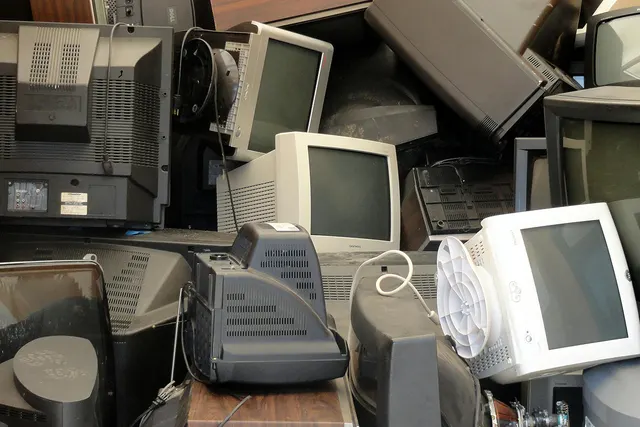
- CRT computer monitor: 33%
- Palmtop: 33%
Unused electrical and electronic appliances can be found all around the home. For example, 668,000 sanders are gathering dust in our garden sheds and garages, 1.7 million food processors in kitchens, 1.2 million hairdryers in bathrooms, 705,000 alarm clocks in bedrooms, 638,000 GPS devices in cars and 2.8 million smartphones in drawers.
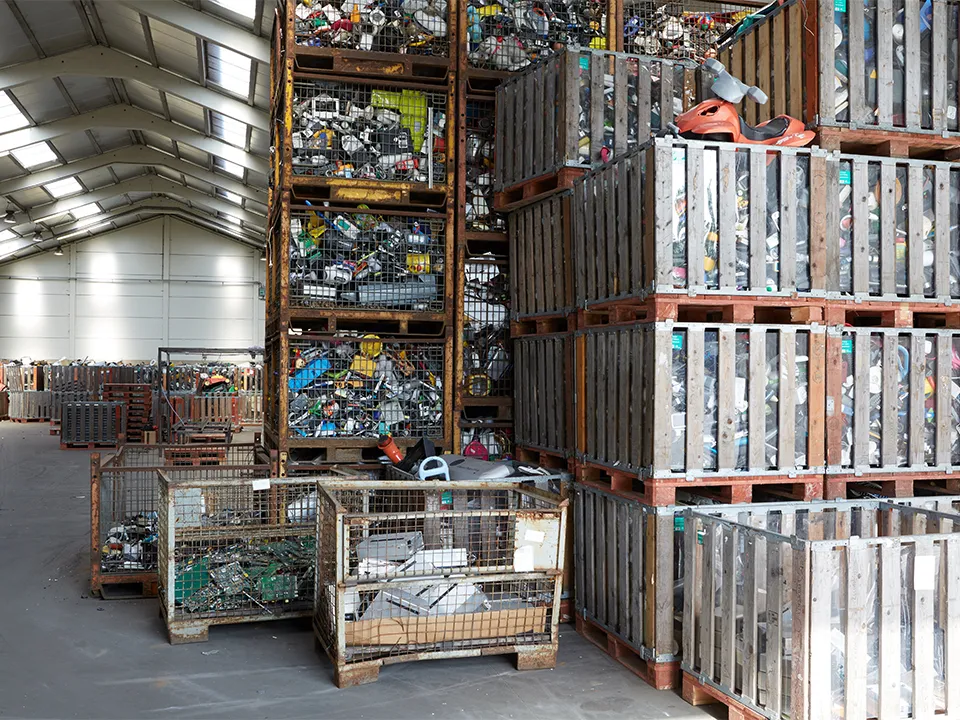
The importance of reuse and recycling
Thanks to the collection efforts of Belgians, Recupel collected a record 122.548 tonnes of electrical and electronic equipment and lamps in 2019, or 10.7 kilograms per resident. This 4.4% increase is a positive result. But it is important to unlock the untapped potential. Eric Dewaet, CEO of Recupel, explains:
“We should not see electrical and electronic equipment as waste, but as an important source of raw materials. Think of precious metals, plastics, iron, glass and so on. Some raw materials extracted abroad are also becoming scarce. To tackle this scarcity, we need to focus more on recovering raw materials from our electronic appliances, in short, on doing more ‘urban mining’. Recycling means recovered raw materials can be used, for example, to manufacture new appliances. What is more, it is far more environmentally friendly than extracting raw materials through conventional mining. By clearing out those unused appliances, you not only make space, you also do your bit for the environment!”
The processors working with Recupel manage to put 90% of the materials in an electronic appliance to useful use (80% recycling, 10% incineration with energy recovery).
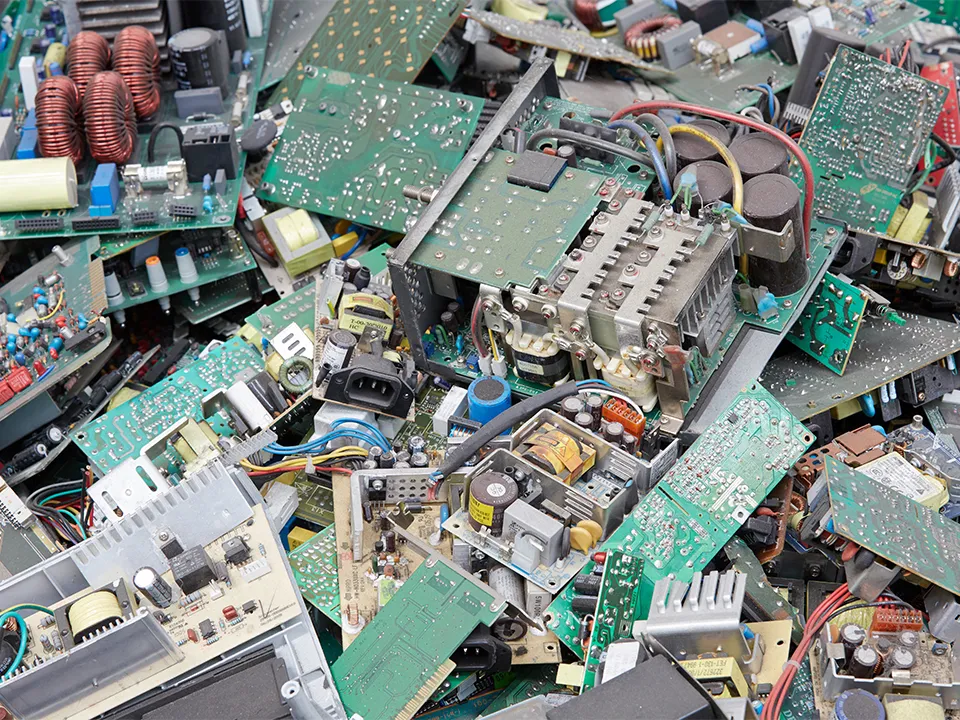
How to recycle
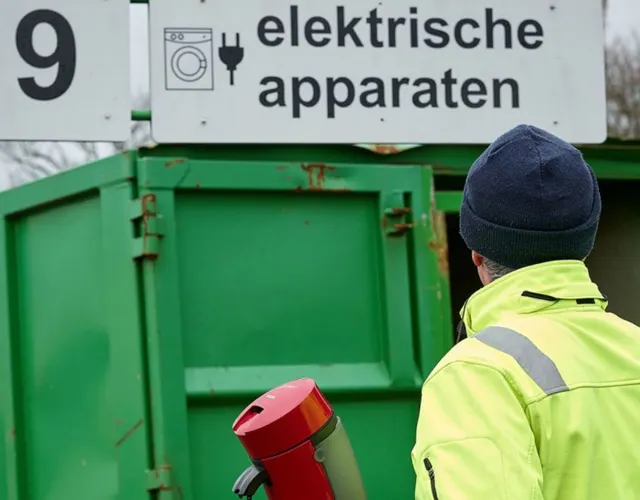
Recupel has an extensive network of collection points. More information: https://www.recupel.be/nl/vind-een-inzamelpunt/.
Please note: some collection points are currently closed due to the coronavirus crisis, including certain retail outlets and the Kringwinkels.
[1] Ownership & disposal of electrical and electronic appliances 2019. A biennial survey of ownership and disposal methods for electrical and electronic appliances, conducted by research agency GFK on behalf of Recupel. Sample: 2.742 respondents. The sample results are extrapolated and are representative of the entire Belgian population.
[2] Global E-Waste Monitor: https://www.itu.int/en/ITU-D/Environment/Documents/Toolbox/GEM_2020_def.pdf
Question about this story? Ask your question
Companies in this story
Keep following this
Get an email when a new story is published. No account needed.
- ThemeCircular processing of electronics and batteries
- SubjectElectronic waste
- CompanyRecupel