Cutting commercial residual waste by 30% by 2030
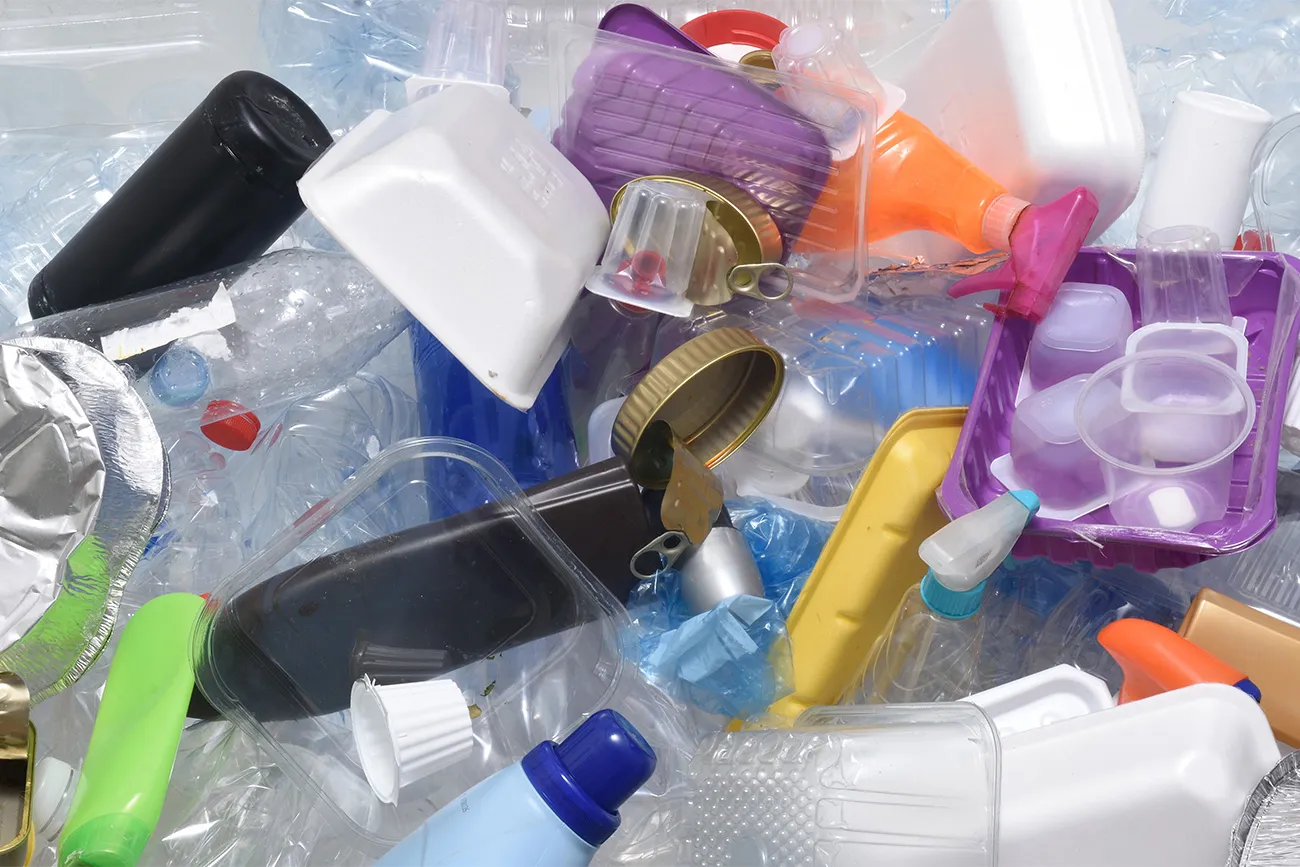
Since 1 January this year, all residual waste from businesses has had to be put in transparent bags. The OVAM wants to make it easier for waste collectors to check visually for any sorting errors, as businesses that do not sort correctly will have to pay more for waste processing. The measure follows analyses of commercial residual waste, which show that relatively ‘easy’ waste streams to sort, such as PMD and paper and cardboard, are still found in it too often. We spoke to Astrid De Man and Jan Verheyen of the OVAM about how to give even more materials from commercial waste a second life.
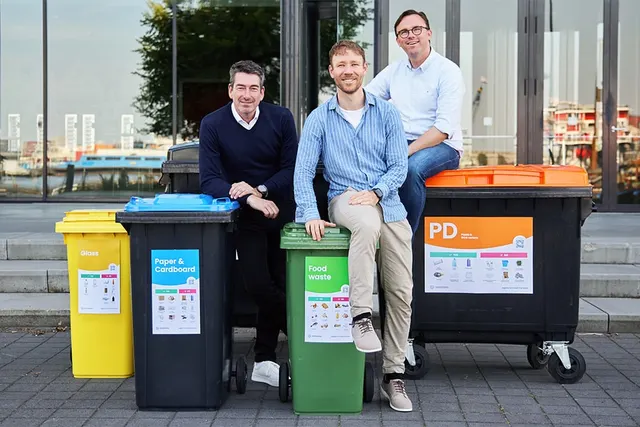
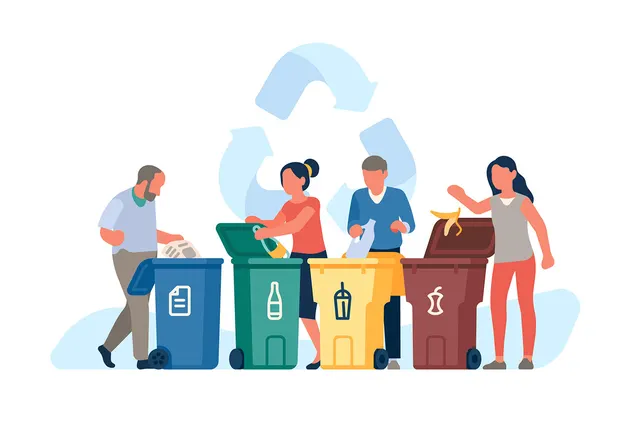
Businesses are required to sort 24 waste streams separately at source. These should therefore not end up in residual waste. The reason is clear: the better the separate collection, the more effectively valuable materials can be recycled and the longer they remain in the supply chain. This matters because raw materials are scarce. The OVAM’s sorting analyses, carried out every four years, show that around half of the material currently found in commercial residual waste could in fact still be recycled. “Making visual inspections by IHM operators mandatory in 2021 was an important first step in bringing these figures down. We can all do it at home, so why not at work?”, says OVAM spokesperson Jan Verheyen.
Sorting at source pays off
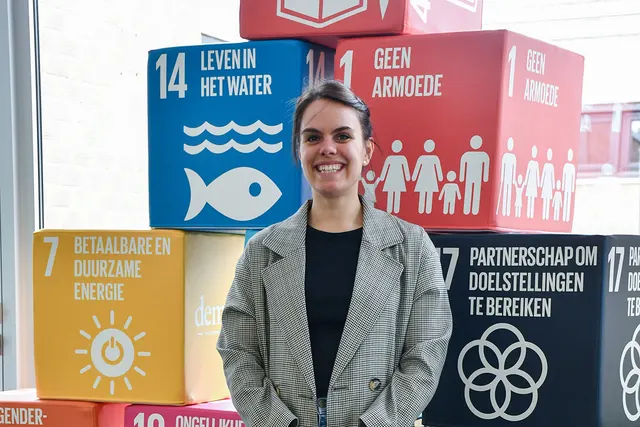
The OVAM believes it is important to keep driving this message home through awareness campaigns. Another campaign will be launched this spring. “Businesses face many specific challenges, so sorting is often not a priority. But in today’s society, one residual waste container is no longer enough. With the new campaign, we want to encourage businesses to set up waste-sorting stations and prompt staff on the shop floor to sort properly,” says Astrid De Man, who works on the separate collection of commercial waste at the OVAM. Higher charges should also provide an incentive. “The rules have been tightened. Businesses that still leave recyclable waste streams in their commercial residual waste risk an official report and a fine, and will also have to pay double the levy. Charges for incinerating commercial residual waste have also already been increased. So it pays to keep more materials out of residual waste.”
Greater focus on prevention and sorting at source
With all these measures, the OVAM aims to cut the volume of commercial residual waste by 30% by 2030. That is the target set out in the Local Materials Plan, which is still awaiting official approval. It is an ambitious goal, given that the 2022 target of reducing commercial residual waste by 15% compared with 2013 was not met. De Man says: “We believe this is achievable by putting more emphasis on prevention. Separate collection of PMD and cardboard should really be a no-brainer. There will also be additional requirements to help achieve this reduction. For example, from 2024, the collection plan for organic residual waste will be expanded. This includes kitchen waste, which currently accounts for a considerable share of commercial waste by weight. It will have to be removed from the residual waste stream.”
Shared responsibility
The OVAM recognises that it is not always easy for businesses to install more containers. “We are also prepared to look at our own role, because initially we focused on collection from consumers. But it is now high time for commercial residual waste to catch up. We are opting for a system of shared responsibility, in which both the business and the IHM operator are responsible for checking the residual waste container. This system has been in place for a year and a half, and we are counting on the sector’s cooperation. Above all, we want to create a level playing field, which benefits everyone. The final step in closing the last loopholes is enforcement, which will make persistent offenders pay,” says Verheyen.
Een zakelijke vraag aan OVAM? Get in touch
Companies in this story

Keep following this
Get an email when a new story is published. No account needed.
- ThemeImproving waste collection and transport
- SubjectCommercial waste
- CompanyOVAM