Putting recycled aggregates to higher-value uses? It can be done!
Text Els GoethalsImage VSOR
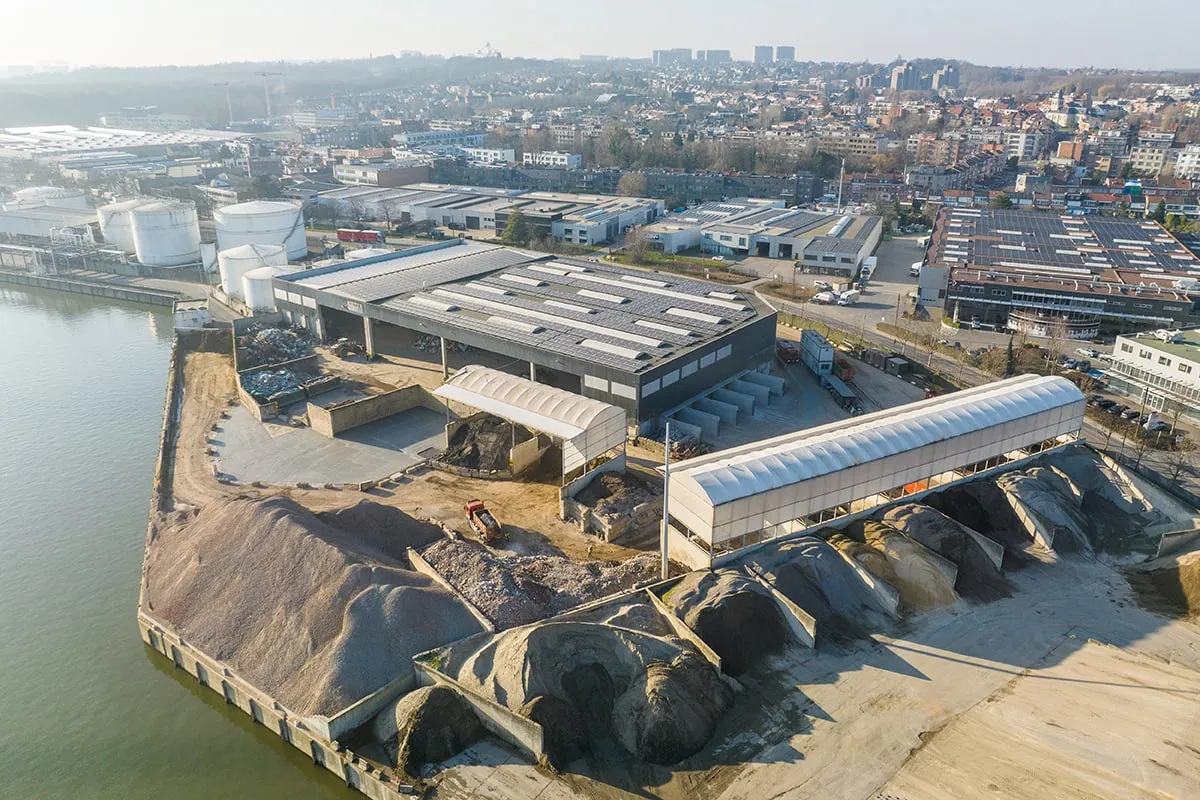
The construction sector is a major economic player in Belgium, supporting hundreds of thousands of jobs. At the same time, it faces both a large materials footprint and a shortage of raw materials. The use of recycled aggregates and circular raw materials offers a partial solution. VSOR welcomes the growing importance of demolition, deconstruction and recycling companies in this area. The sector federation shares its insights and also examines the challenges.
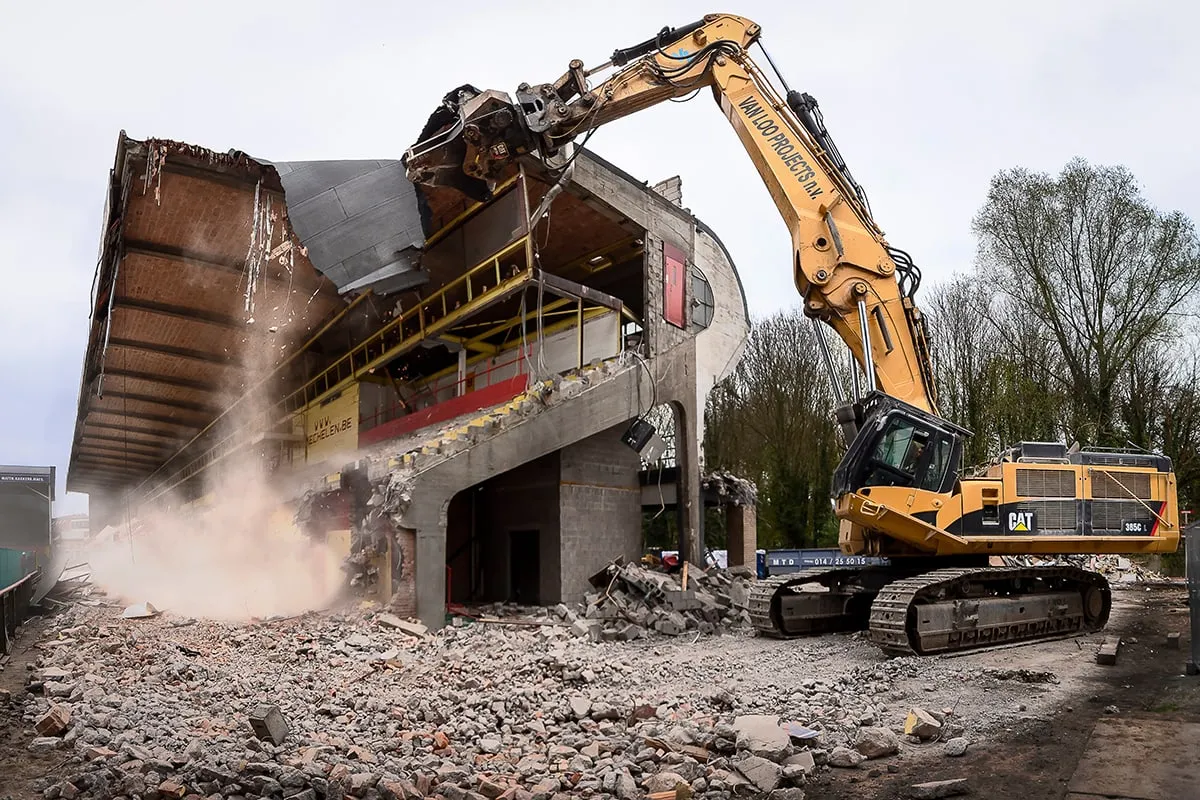
Dino Henderickx, now the familiar face of VSOR, spent many years working in the precast concrete products sector, from paving blocks to precast concrete solutions and, later, ready-mixed concrete. “One of the problems we gradually encountered was a shortage of natural raw materials, particularly sand,” says Henderickx, director of VSOR. “Looking back to the 1990s, we see the introduction of marine sand extracted from the seabed as a response to this shortage. Since then, my search for alternative raw materials has never stopped. Initially, though, it was driven by economic considerations. Thirty years ago, climate change was not yet on the policy agenda. In time, I became increasingly inspired by recycling rubble and construction waste into new raw materials, and that is how I entered the recycling industry.”
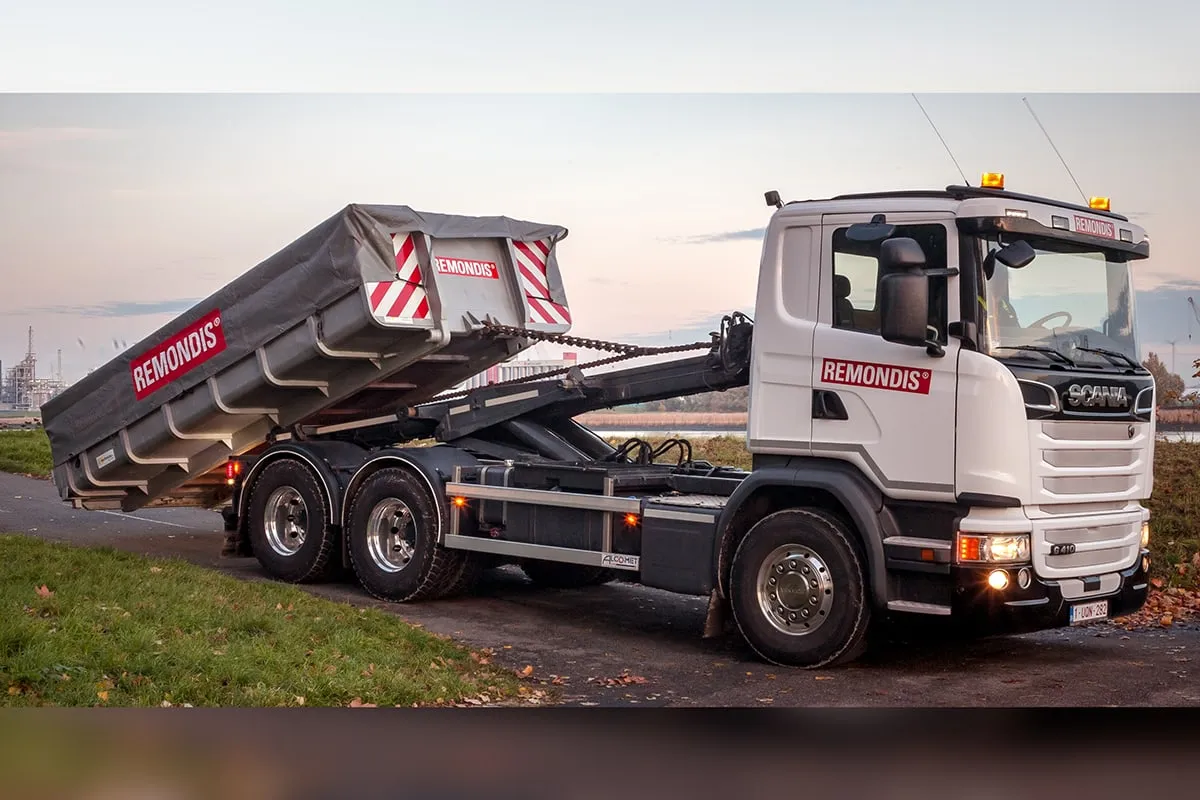
Beyond tonnes of recycled aggregates
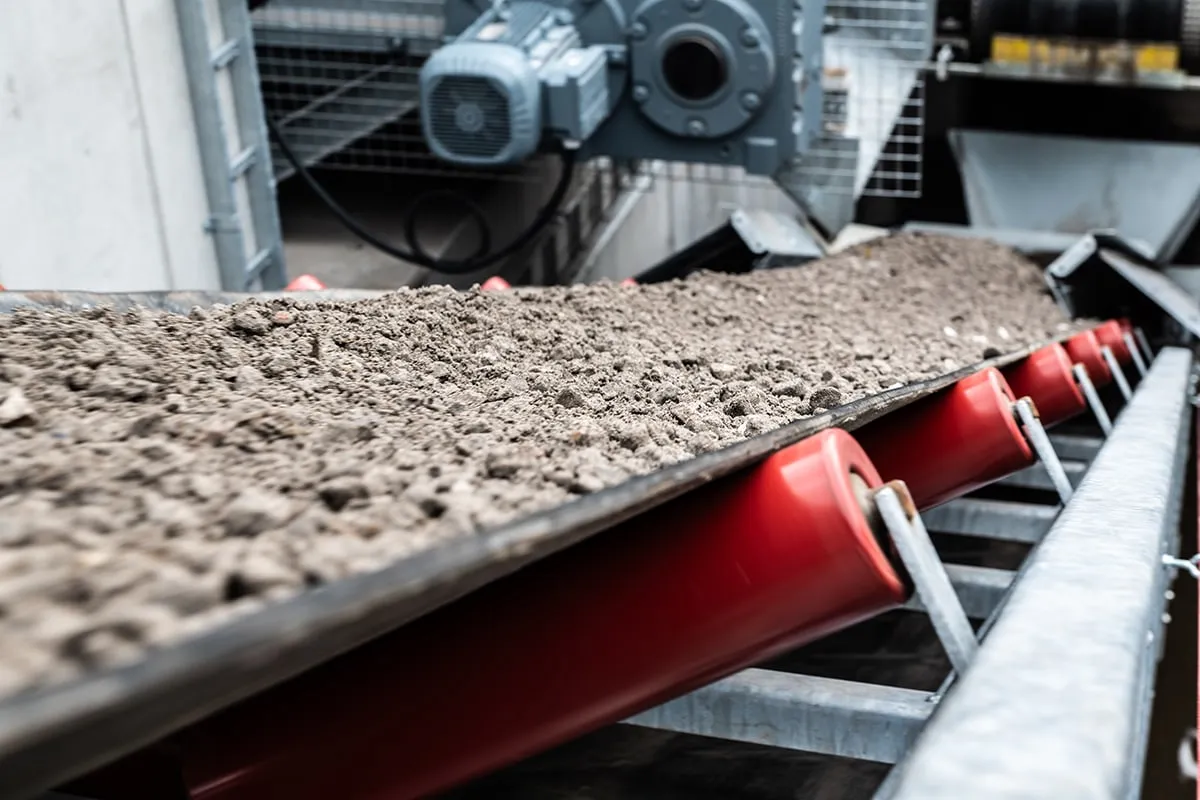
“Material shortages and rising prices for primary raw materials are more pressing than ever. Fortunately, awareness of responsible raw material choices has grown little by little, bringing us to a point where the construction and recycling sectors are making considerable efforts to reduce the environmental footprint of materials. This is no longer solely for economic reasons, but for environmental ones too. With 95% of mineral construction and demolition waste recycled, equivalent to 15 million tonnes, Flanders is among Europe’s leading regions. That is certainly a positive development. But I should add that there are also numerous challenges.”
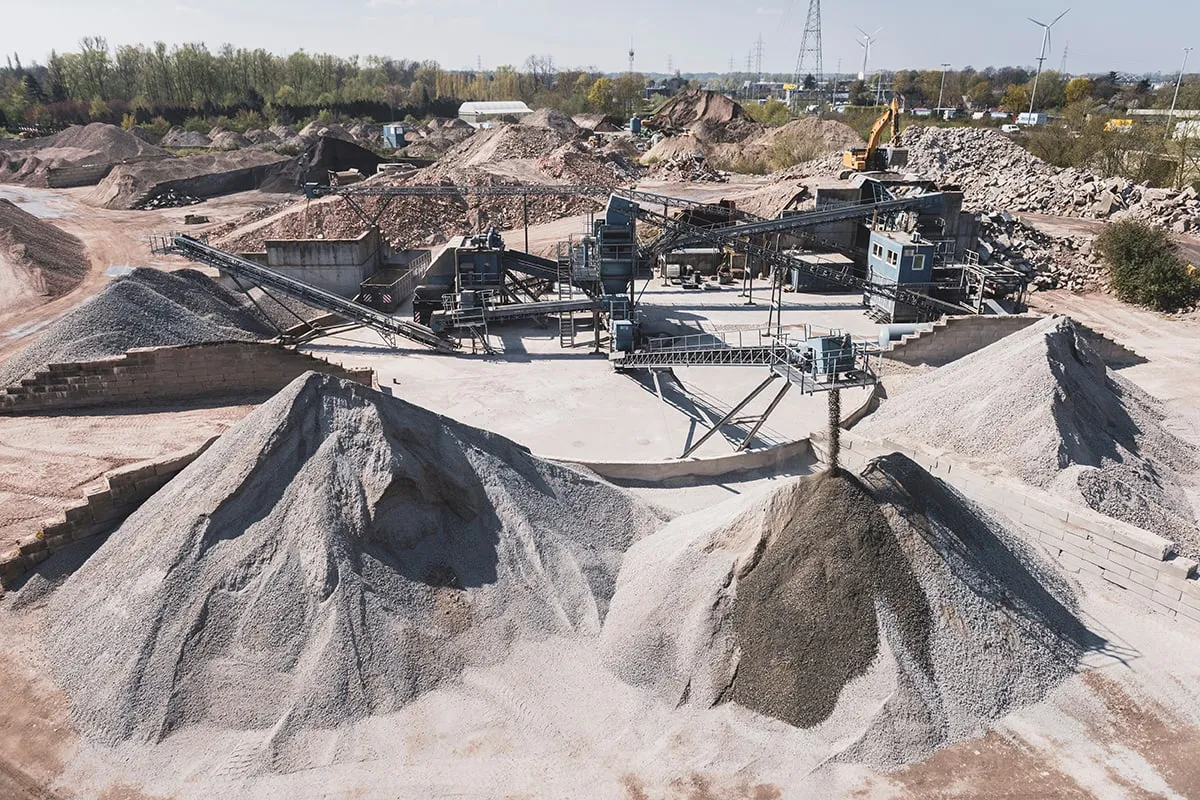
Striking the right balance today
“The regulatory framework played an important part in raising awareness. The question is whether the pendulum now threatens to swing too far: Vlarema 9, eID, Matis reporting, environmental legislation, rules on source separation and traceability … As a sector-wide association, we advise and support demolition, deconstruction and recycling companies as they navigate this complex maze. At the same time, we lobby the various government bodies for workable policies: quality assurance on the one hand, and simpler certification procedures and statutory administrative requirements on the other.” VSOR brings the entire chain together to achieve the best possible results and represent its interests, from demolition contractors, crushers and sorters to container companies. “After all, every link helps determine quality, from waste to recycled aggregate to new raw material. Since the quality of circular aggregates determines the quality of the end product, certifying and testing them is a good thing. But that does not settle the matter. 15 million tonnes may be a huge amount, but the proportion ultimately used in high-value applications is still far too low. All too often, reuse is limited to foundations, surfacing or fill. VSOR is working with various partners and stakeholders to make faster progress on this. There are also gains to be made in specifications, which I see as a shared responsibility with specifiers such as architects and engineers.”
A turbo boost for the future
“The entire circular economy chain is changing rapidly. Large players are taking over smaller ones, which is certainly creating a different market dynamic. Still, we need not see this as a threat straight away. I prefer to think in terms of opportunities. So I will end on a philosophical note:
In circular construction, today’s products become tomorrow’s raw materials.
Think differently, act differently: every link has to play its part, or it will not work. From production, design and energy efficiency to recycling, reuse and waste management.”
“Combining training and awareness-raising works! Helping a sector grow in quality is a process of raising awareness, and as a sector federation, we will continue to focus on this.”
Een zakelijke vraag aan VSOR vzw? Get in touch
Companies in this story
Keep following this
Get an email when a new story is published. No account needed.
- ThemeCircular construction and demolition
- SubjectVSOR vzw
- CompanyVSOR vzw