4 key challenges facing demolition, sorting and recycling companies
Text Piet AndriesImage VSOR
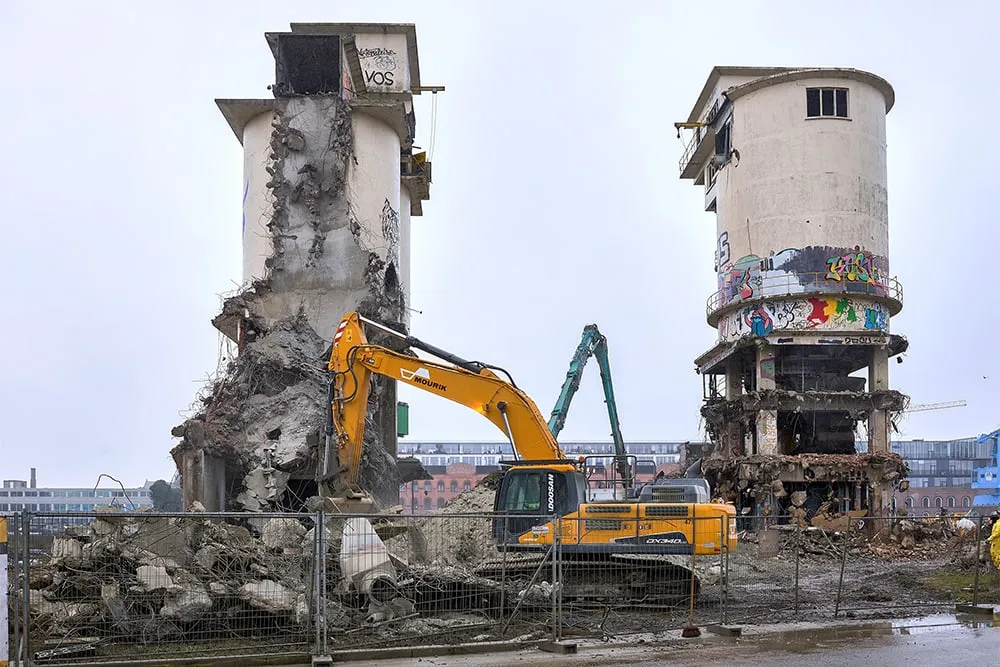
Legislation is essential, but the package being pushed through by Europe to bring the demolition and recycling sector into line with Green Deal objectives sometimes demands more than companies can manage. Sector federation VSOR offers support and is working to map out the legal framework and possible solutions as clearly as possible. VSOR director Dino Henderickx says: “Legislation is necessary, but the gap between theory and practice shows that the sector is often involved too late and too little.” Four key challenges are firmly on the agenda for the future.
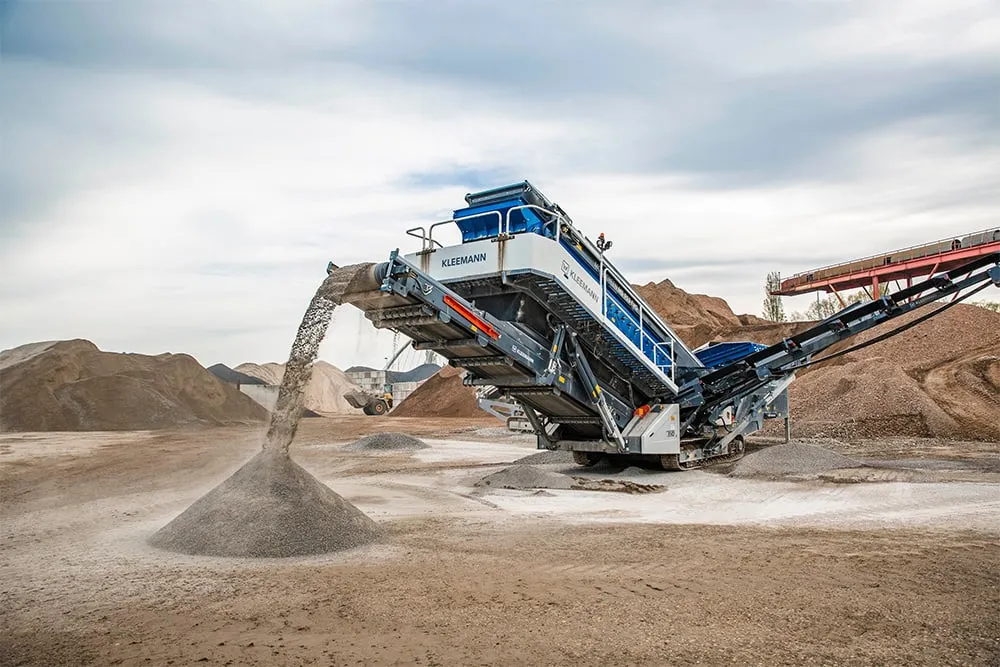
VSOR, the sector federation for demolition, dismantling and recycling companies, is celebrating its third anniversary this year following the merger of FPRG and CASO. The organisation is demonstrating its added value through successes such as the amendment of the VLAREMA-9 regulations, made possible by a strong, united voice. With 85 members, VSOR now represents at least half of the demolition and construction waste volume in Flanders, and aims to strengthen this further by increasing its representation among stakeholders, in other words, by growing its membership. Henderickx is focused above all on quality, professionalisation and cooperation within and beyond the sector, while ensuring that regulations are workable. “As a sector organisation, we are concerned that some challenges could become threats.” These are the four key challenges shaping VSOR’s agenda.
1. REACH: an example of an unworkable requirement
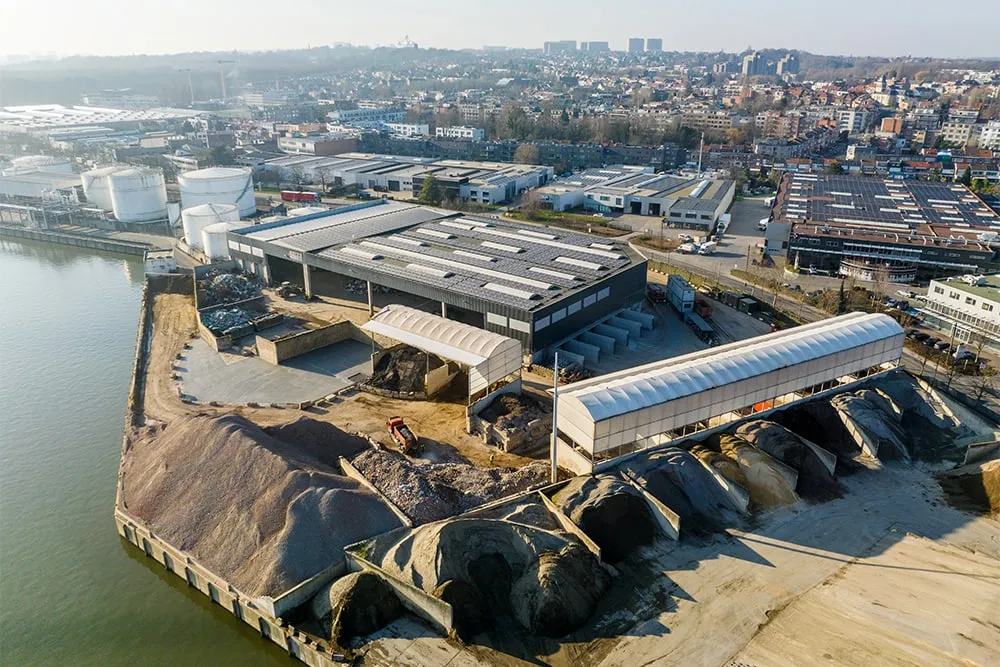
REACH stands for Registration, Evaluation, Authorisation and Restriction of Chemicals and imposes a registration requirement on producers and distributors across Europe. “For now, recycled aggregates are not covered, as they are currently considered articles, for which the form, dimensions and use of the aggregates are more important than their chemical composition. The chemical heterogeneity of our feedstock makes the practical application of REACH unworkable, and the immense logistical and financial consequences are impossible to quantify. But the question is how long the exemption will remain in place,” says Henderickx. “In Belgium and the Netherlands, we use government-drawn-up and verified end-of-waste (EOW) criteria to monitor the transformation of construction and demolition waste into raw materials. This ‘passport for use’ allows 14 to 17 million tonnes of recycled aggregates to replace primary raw materials every year, exactly the aim of the European circularity targets. Although the EOW criteria work well, the complexity and scale of the additional testing required under REACH are unrealistic. Crushing sites and external sites, where mobile crushing takes place, are not equipped to cope with the additional logistical and time requirements, which in practice would mean tripling the space required.”
2. EU Taxonomy increases the administrative burden
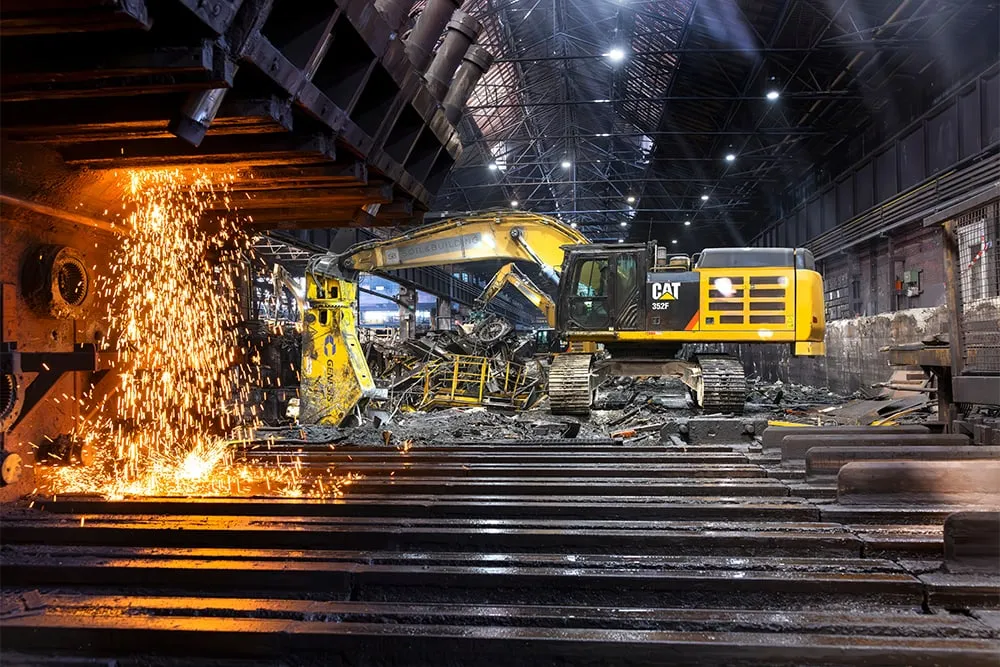
To be eligible for green loans for major construction projects in the near future, companies will have to prove that 30% of the materials used in a project are secondary materials or raw materials. The Corporate Sustainability Reporting Directive (CSRD reporting) currently applies to listed companies, but other companies will eventually have to comply too. “Subcontractors also have to provide sustainability information, which means that everyone, sometimes already now, but certainly next year, will face these obligations if they work for listed companies,” Henderickx explains. VSOR is currently looking at how it can inform and advise its members on this in a targeted way, as soon as possible, through information sessions and workshops.
3. Fluorinated greenhouse gases create a bottleneck
Fluorinated greenhouse gases, or F-gases, have a very high Global Warming Potential and pose a new challenge for building owners and demolition and construction companies because of their widespread past use in various insulation materials. “These gases are released during crushing or pulverising,” says Henderickx, who only recently learned about the issue himself. “Although they pose no direct health risk, unlike asbestos, the demolition sector often encounters these gases because they were widely used in old insulation.” Since February 2024, a European regulation has required F-gases to be destroyed at temperatures above 1,200 °C, which no conventional waste incinerator can handle. “There are currently no treatment options, and it will be a major bottleneck to have to determine each time whether or not the gas is present,” says Henderickx.
4. Urban mining is turning demolition contractors into dismantling specialists
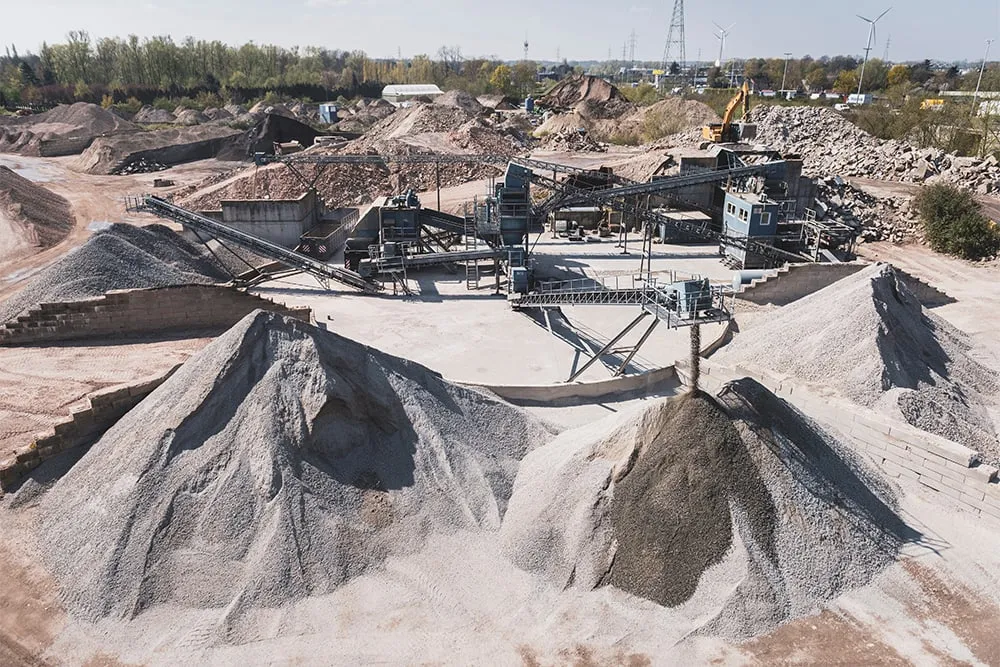
Urban mining will be a key link in meeting the Taxonomy’s 30% recycled-material threshold in the near future. “In Flanders, it is still in its infancy,” says Henderickx. “It is essential for the sector to take a structured approach, but there are certainly many opportunities here.” While the conversion of mineral materials into secondary raw materials already stands at 95 to 96% in Flanders, compared with just 65 to 70% in Europe, further growth in this area is almost impossible. “The focus is therefore shifting from recycling to reuse. This requires a new approach and new techniques for demolition companies, as well as a different workforce profile and mix. An excavator operator is not a dismantling specialist. Further development of urban mining will therefore require flexibility and a new mindset across the sector.”
Een zakelijke vraag aan VSOR vzw? Get in touch
Companies in this story
Keep following this
Get an email when a new story is published. No account needed.
- ThemeCircular construction and demolition
- SubjectVSOR vzw
- CompanyVSOR vzw