Invest in efficiency
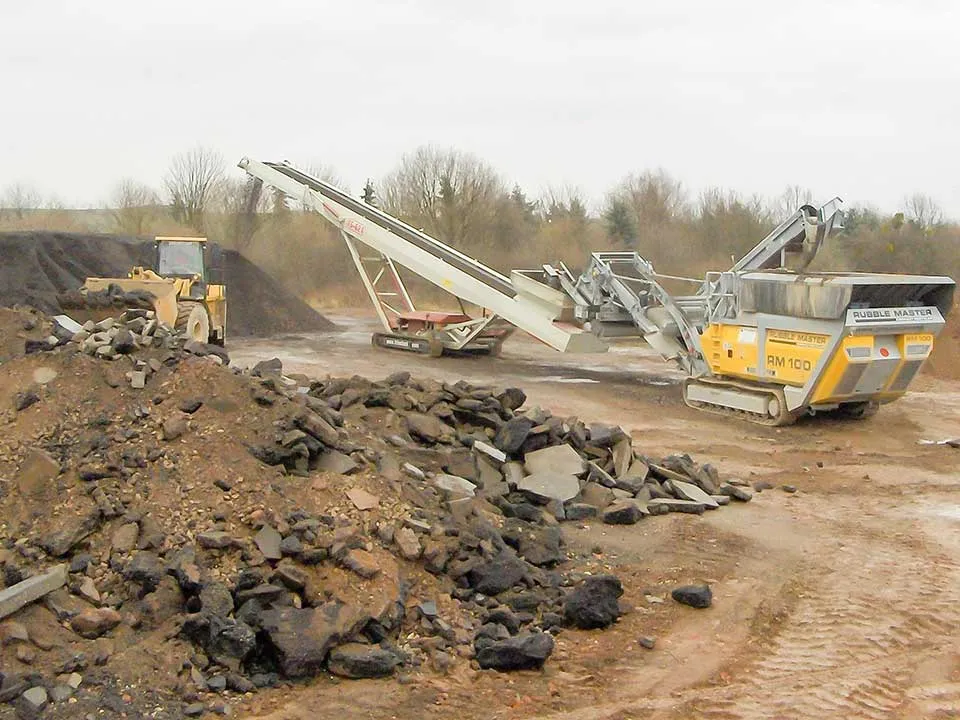
You’ve got all the kit: a crusher, a mobile screen and experienced staff. But where can you still make a difference?
Cutting costs for its own sake is a bad idea, as it will lead to higher costs in the long term. Efficiency, by contrast, delivers lasting, structural savings.
Logistical improvements on site are often greatly underestimated because, for one reason or another, they are considered impossible, impractical or inconvenient. But what if you made it a priority and arranged the site to suit your needs? Instead of racing around the site like a whirlwind in a medium or large wheel loader just to keep up. That inevitably brings inconvenience and costs: machine wear, fuel consumption, damage to infrastructure, not to mention labour hours.

The benefits of mobile conveyor belts
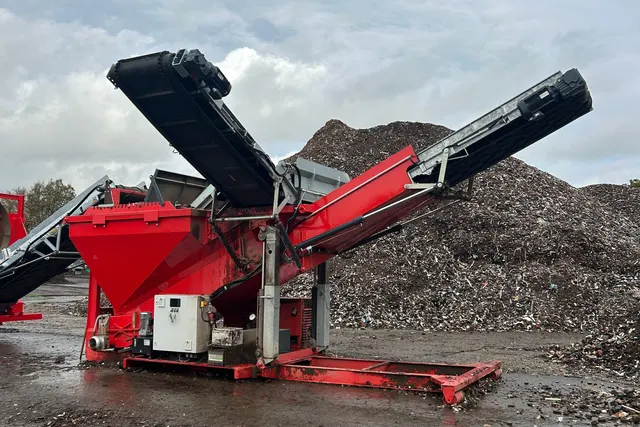
Better product quality, greater safety, lower fixed and variable costs … in short, it is worth considering adding a mobile conveyor belt to your fleet. Using one or more mobile conveyor belts will help you make progress in several areas while reducing costs. Save on wheel loader costs by using it when it generates revenue, such as when loading lorries collecting aggregates. By reducing operating hours, you can cut fuel consumption by up to two-thirds and pay only a fraction of the maintenance and repair costs.
Less movement, greater safety, more efficiency
Reducing movement also improves site safety and lowers the risk of damage to third parties. Using a mobile conveyor belt gives you greater control over the site and aggregate quality by reducing segregation (the separation of aggregate) and degradation (for example, damage caused by driving over it). There are various types of mobile conveyor belts for stockpiling, loading and unloading, but they all have one thing in common: they improve efficiency by eliminating steps (double handling) and replacing machines with alternatives that cost two to three times less, wherever possible.
Pays for itself quickly
Depending on the circumstances, the payback period is 1 to 2 years, and the operating costs of a conveyor belt are only a fraction of those of a wheel loader. In short, use the wheel loader where it is efficient and generates revenue, such as covering long distances and loading lorries. While the stockpiling belt takes over a significant part of the work, the wheel loader operator can be freed up for other tasks. If you work for third parties, this is safer and saves costs. If you work for yourself, use one belt per product and produce what you need, when you need it. You can easily stockpile 1,000 to 3,000 tonnes under a belt without needing a wheel loader.
Question about this story? Ask your question
Keep following this
Get an email when a new story is published. No account needed.
- SubjectVOORUIT column