From diesel drive to hybrid-electric drive
No one can escape the energy transition and electrification taking place across society. We see this everywhere in compact forms of transport such as e-scooters and e-bikes. Electric drive is also gaining ground in the wider world of passenger cars, driven by legislation.
Industry has been working for some time on energy efficiency and environmentally friendly, sustainable solutions. To comply with the permitted limits for soot particle emissions, we now use STAGE 5 engines equipped with SCR (selective catalytic reduction) and DOC (diesel oxidation catalyst). This makes diesel engines much more efficient, but also more complex and prone to potential faults. Preventive maintenance is an important factor in this regard.
Towards diesel-electric drive
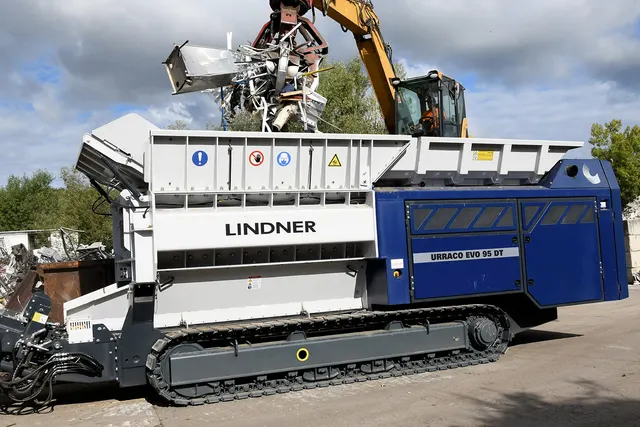
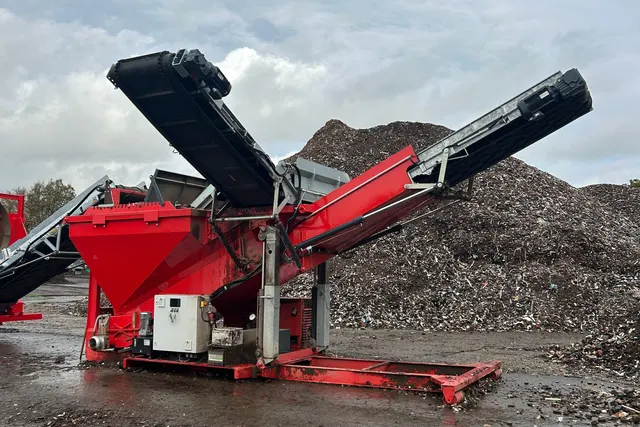
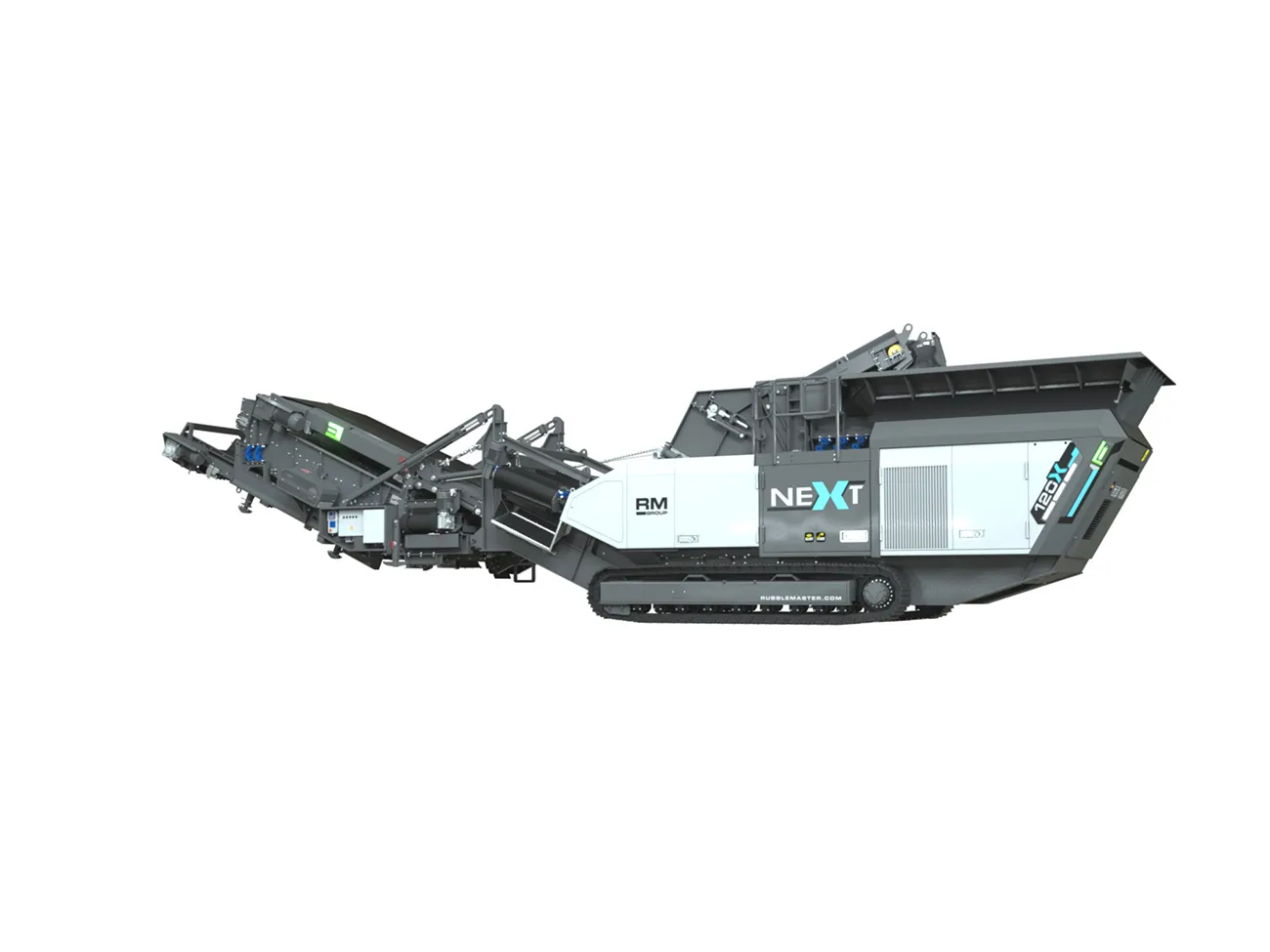
Today, machines can be powered by diesel-hydraulic or diesel-electric drive. In a hydraulic drive, the engine’s mechanical motion is converted into hydraulic power (pressure and flow) by a pump connected to the diesel engine. The available hydraulic power is then distributed to the various consumers, such as the rotor or screen box and the conveyor belts. This is an outdated powertrain in which, during the conversion from mechanical to hydraulic power, unfortunately more than half of the initial energy contained in the liquid fuel is lost. Diesel-electric drive uses a generator connected to the engine to produce electricity. The electricity is then distributed to the various consumers, such as the screen box, vibrating feeder and conveyor belts. Much less energy is lost when mechanical energy is converted into electrical energy. The rotor is not included in this arrangement, however, as it is connected directly to the engine by a mechanical coupling. This is the most direct, and therefore most energy-efficient, solution for the crusher’s largest consumer, namely the rotor. It is generally accepted that diesel-electric drive is the most energy-efficient powertrain, offering significant benefits including lower fuel consumption and less maintenance thanks to the absence of hydraulics …
Towards electric-electric drive
As diesel-electric machines will no longer be sufficient to meet future requirements, new types of powertrain for mobile crushers and screening machines are already being developed and launched on the market. The near future will see a hybrid combination of diesel-electric and electric-electric drive. By adding an extra power supply line, it will soon be possible to connect larger mobile crushers and screening machines to mains electricity. This will bring many benefits in terms of energy consumption, maintenance costs (less maintenance on the diesel engine), noise (no more continuously running engine or hydraulic coolers) and overall operating costs. Hybrid drive is an important step towards making the recycling machine fleet more sustainable. Ask your supplier which machines in your fleet are suitable for electrification.
Question about this story? Ask your question
Keep following this
Get an email when a new story is published. No account needed.
- SubjectVOORUIT column