Metal recycling and the green transition: the need for coherent support
The circular economy plays a key role in the European Union’s strategy to achieve carbon neutrality by 2050. According to the European Commission, its full implementation could reduce greenhouse gas emissions by 56% compared with current levels. The recycling sector has a huge part to play and offers incredible opportunities.
Metal recycling in particular is central to achieving this reduction target. Recent debates in the south of Belgium about metal shredding plants have shown how important it is to develop a coherent policy. If we want to encourage their role, we need to support their activities.
In Wallonia, there has been extensive debate about the environmental protection standards that should apply to discharges into watercourses, diffuse emissions and industrial wastewater discharges. However, emotional considerations must not take precedence over the scientific approach that should inform the standards governing the operation of industrial plants. The sector is keen to improve environmental protection, as this is our role in society and our guarantee of sustainability. But it is important that the framework is technically validated and forms part of a collective European approach, given the competitive landscape.
In 2024, an initiative was launched in Wallonia to assess the impact of industrial activities on the health of local residents. These biomonitoring programmes, launched during the legislative term in areas where metal shredders are located, produced reassuring results. However, the regional authorities need time to put the public fully at ease on this issue.
Another challenge is identifying the causal link between the unwanted particles detected during field analyses and other biomonitoring. It is worth remembering the role played by circular economy operators. Whether they are dealing with metal waste or another type of material, they play an essential part in developing technical solutions to purify materials and thus compete with the use of virgin materials.
However, these unwanted materials are the result of validation processes carried out in the past, before they were placed on the market. Waste managers cannot be held responsible. They are part of the solution, capturing and concentrating impurities, starting with PCBs, PFAS and other persistent organic pollutants. A circular economy without final waste management makes little sense. Zero waste does not yet exist.
Metal recycling activities are valuable and are subject to strict professional oversight. Belgium is a world leader in having stringent legislation. We hope the next legislative term will recognise the important role metal recycling companies play in Belgium and Europe as suppliers of materials needed for the energy transition.
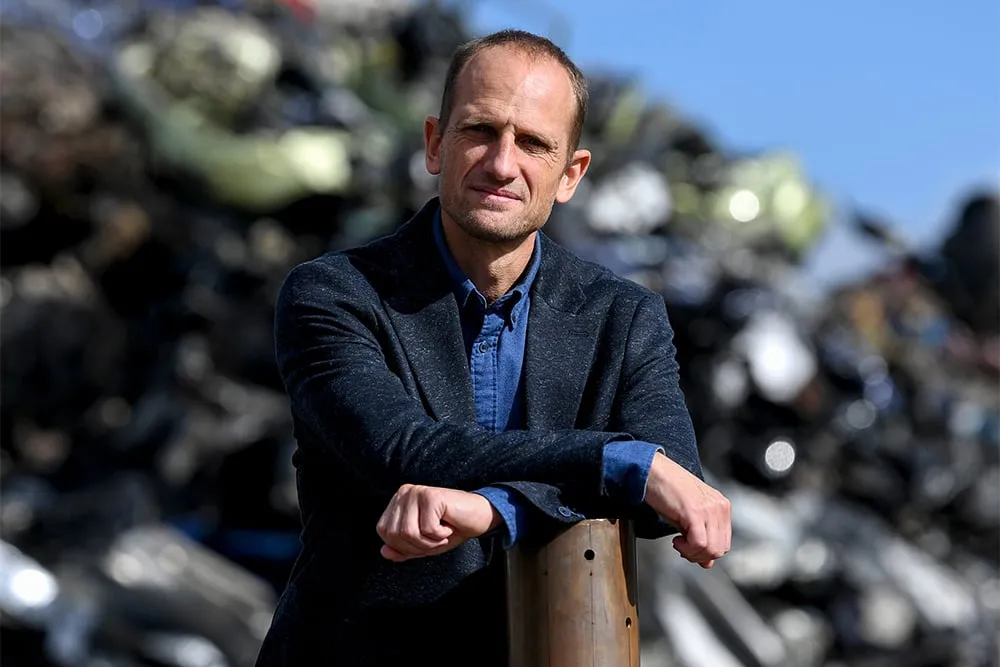
Pierre-François Bareel,
CEO Groupe Comet
Question about this story? Ask your question
Keep following this
Get an email when a new story is published. No account needed.
- ThemeRecovering metals and creating value
- SubjectThe pen