Closing the pallet stretch film loop is certainly possible
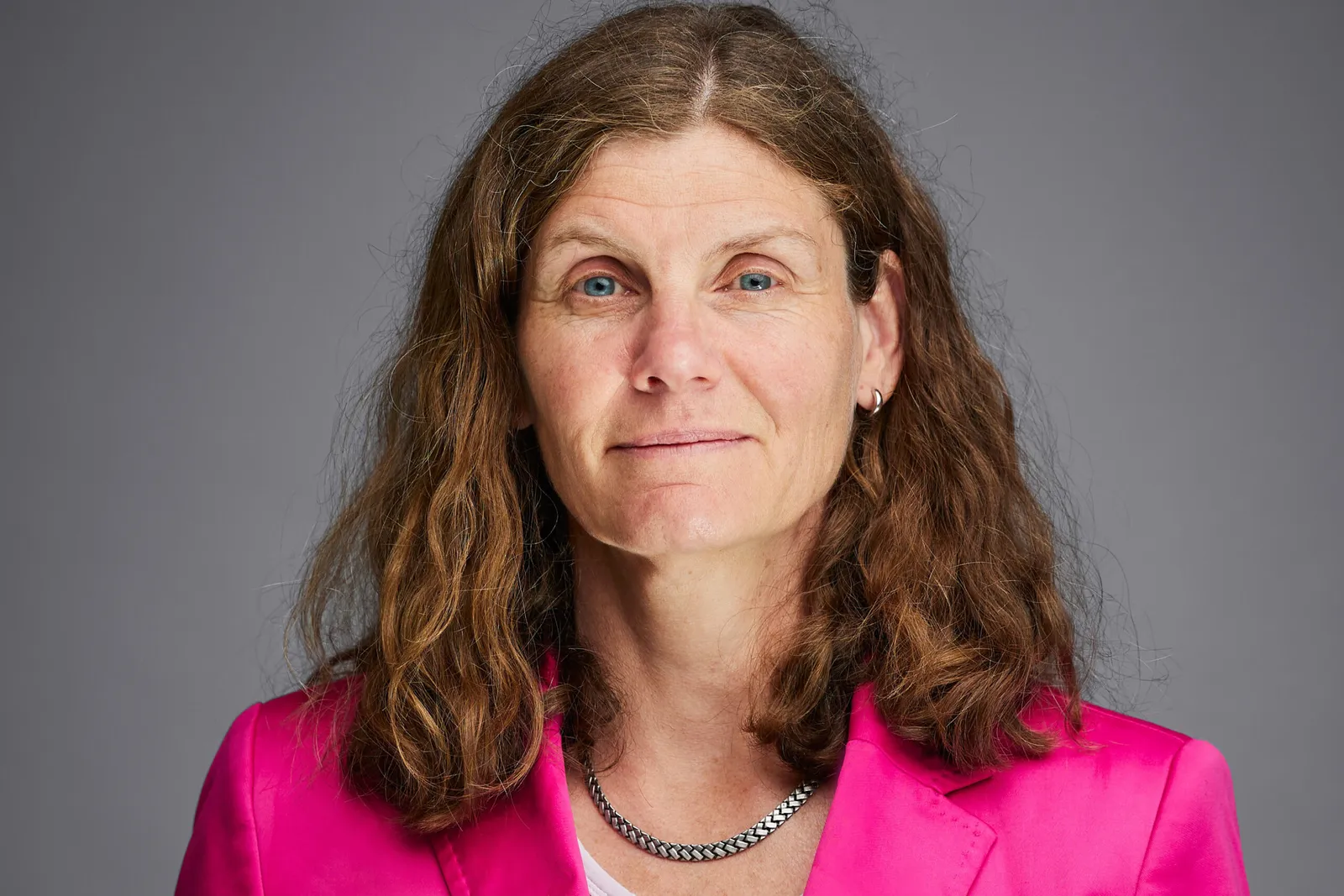
You wouldn’t throw away good-quality material that can still be used after just two weeks, would you? Much of the stretch film currently wrapped around pallets can be reused and even made circular. This is what we are investigating as part of the SKILLS project, which is part of the National Growth Fund programme Circulair Plastics. The project has two stages: first, to work towards producing new stretch film containing 50% post-consumer recycled (PCR) stretch film waste, and then to create a closed-loop system.
We are working towards something that could set the Netherlands and Europe apart. Recycling stretch film creates value, and circular processes always pay off in the long term. Legislation also plays a part. Stretch film currently used to wrap pallets in logistics operations has a service life of two weeks. After that, it is discarded. I am a materials scientist myself, and I cannot accept that there is no solution to this.
Stretch film has to meet stringent requirements, so adding recycled content is a major challenge. Even the slightest variation in the material can cause it to tear when pallets are wrapped. If the end product is stored in the sun or in an unprotected area, sand can get into it or it can weather. That is why collaboration across the supply chain is essential to producing a high-quality product. The supply chain simply needs more involvement. The SKILLS project brings together organisations from different stages of the chain: Broeckx Plastic Recycling, Grolsch, the NTCP and Trioworld.
So far, we have produced high-quality pallet stretch film with 30% PCR. Our recycling plants turn used film into pellets. We use these pellets to make a new stretch film product containing 30% used material, in other words, discarded film. Its performance is almost on a par with virgin material, meaning newly produced, unrecycled film. Grolsch uses this product, which consists of 30% post-consumer material, 20% in-house recycled material and the rest virgin material.
The SKILLS project has another two years to run. Within the next year, we want to produce a version with 50% post-consumer recycled content that performs well. We also want to test it in practice at Grolsch. In addition, we aim to set up a closed-loop system once within the next year. That is the ambition: to reuse the material used there. The ambition is also to achieve wider adoption. To do so, the base material needs to be even better, certification is required, and there need to be parties willing and able to invest in circularity.
Recycled stretch film currently costs several tens of per cent more than virgin material. For brand owners with a strong commitment to sustainability and companies looking to reduce their carbon footprint, that need not be an insurmountable issue. Legislation requiring the use of PCR is also on the way. In any case, I am optimistic. I am convinced that once we have a working closed-loop system and can demonstrate it, more companies will show an interest.
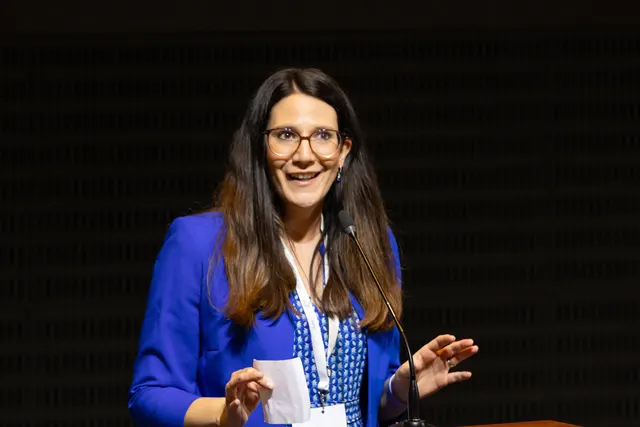
Jolien Stevels,
Research and Development Director at Trioworld
Question about this story? Ask your question
Keep following this
Get an email when a new story is published. No account needed.
- SubjectThe pen