Urban mining for rare earth elements
From gigafactories to laboratory research
Europe is not relying solely on new mining operations to reduce its dependence on other countries for rare earth elements. Urban mining of these materials will also be encouraged. What comes out of the mines will not be enough if we are all to switch to electric vehicles. Europe is determined not to fall into the same traps as it did with oil and gas.
First, the good news. Our planet has more than enough rare earth elements to make the electrification of society a reality. The problem lies in extraction, as they occur in such low concentrations that mining them is costly. We therefore need to take care of the material already extracted for as long as possible. It should be used for as long and as effectively as possible, then recycled so it can once again serve in high-value applications. But currently, only 1% of rare earth elements are recycled. There is plenty of work to do.
Established technologies
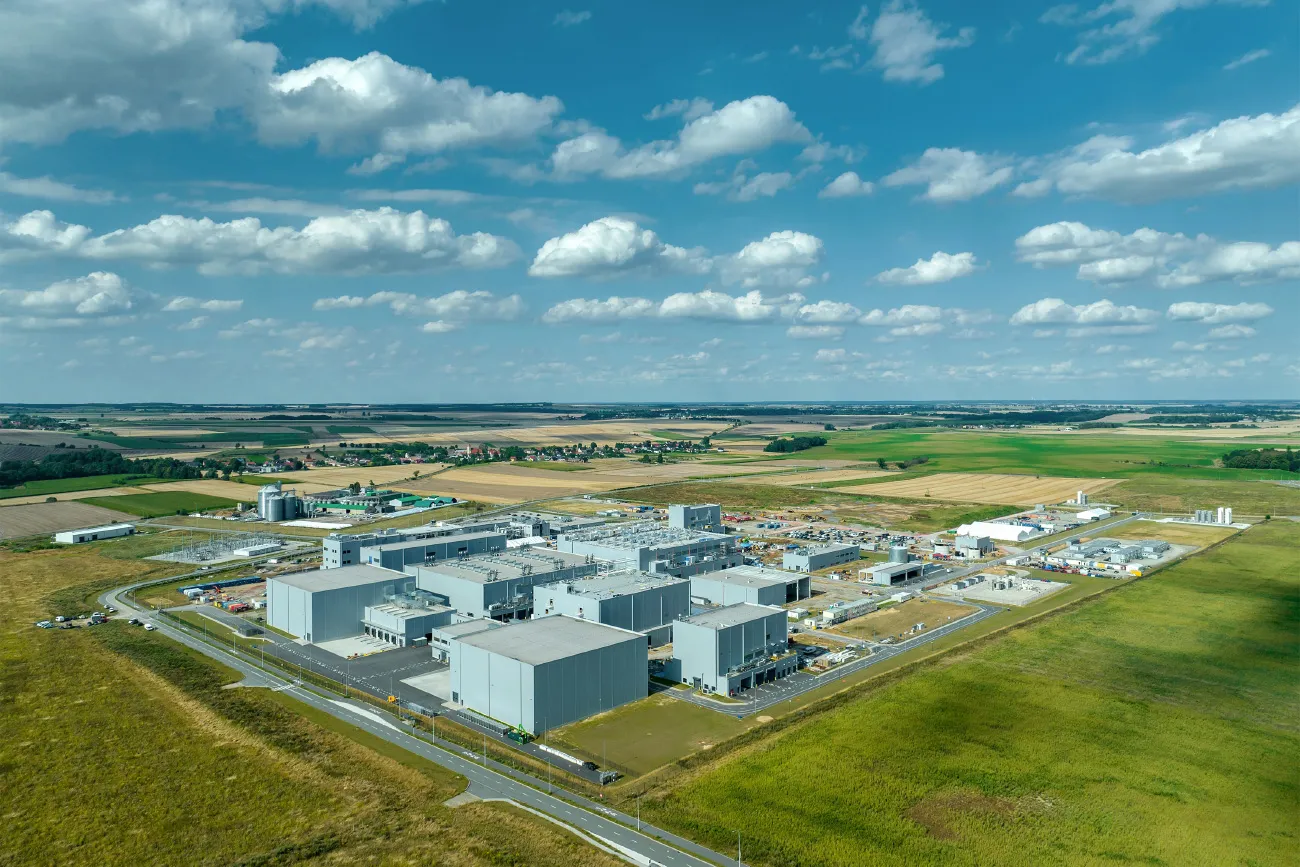
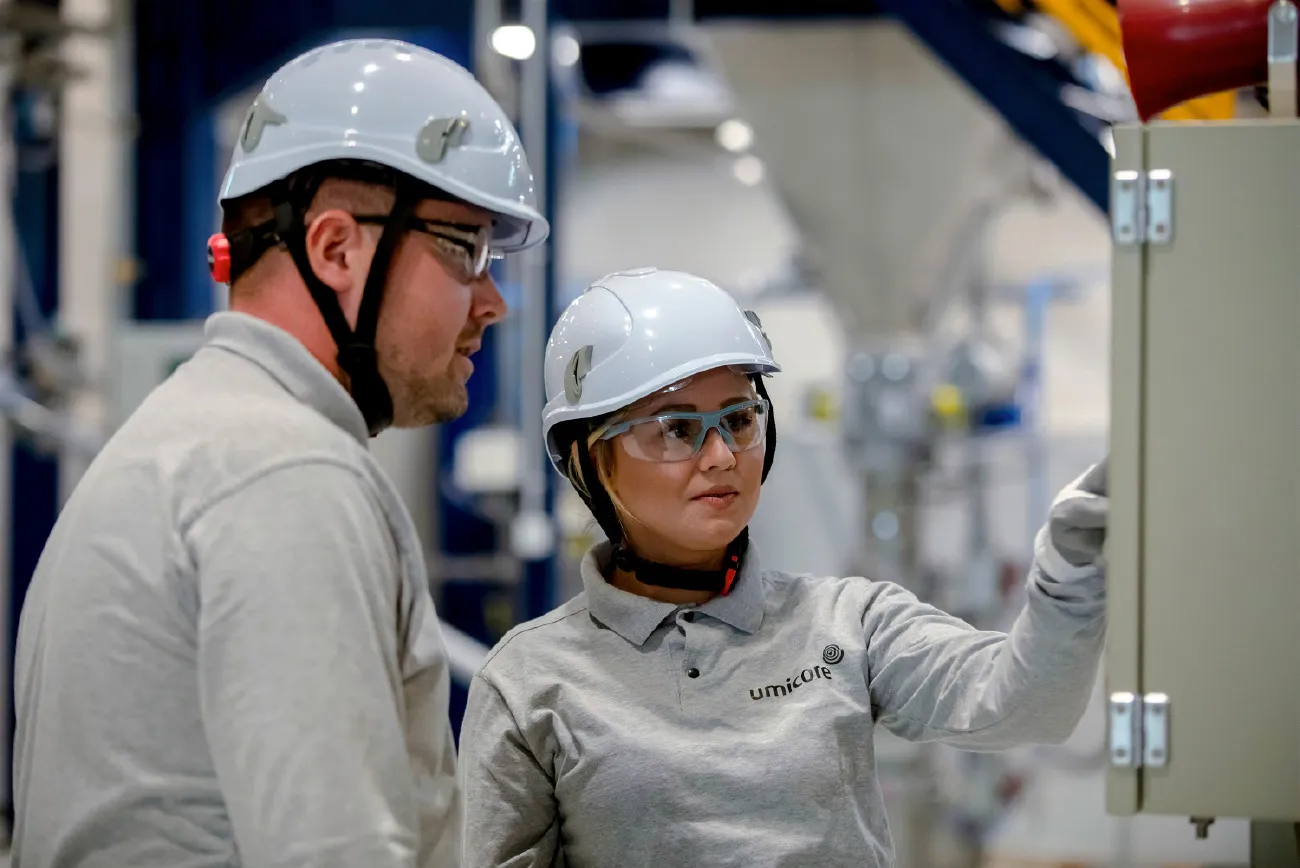
An estimated 1.4 billion mobile phones worldwide are gathering dust in drawers. The calculation for gold has already been made: they could contain 28,000 kg. But they also hold a wealth of rare earth elements, starting with the battery. Europe has clearly woken up to this opportunity. Batteries are seen as a stable, reliable source of raw materials. A new directive is intended to encourage separate collection and recycling across the European Union. Belgian company Umicore strongly believes in this opportunity. Twenty years ago, the company, headquartered in Hoboken, recognised the major shift taking place in the automotive industry. In September, it opened an energy-neutral gigafactory in Nysa, Poland, for battery recycling, with a capacity of 40 GWh in 2024 and the potential to reach 200 GWh. The focus there is on car batteries, specifically cathode materials. It aims to process batteries from three million vehicles a year. “With this gigafactory, Umicore is taking the lead in battery materials in Europe and providing the key ingredients for a responsible and sustainable value chain for electric transport,” CEO Mathias Miedreich said. Back in 2012, Umicore had also developed a unique recycling process, together with Rhodia, to recover rare earth elements from rechargeable batteries.
Innovative processes
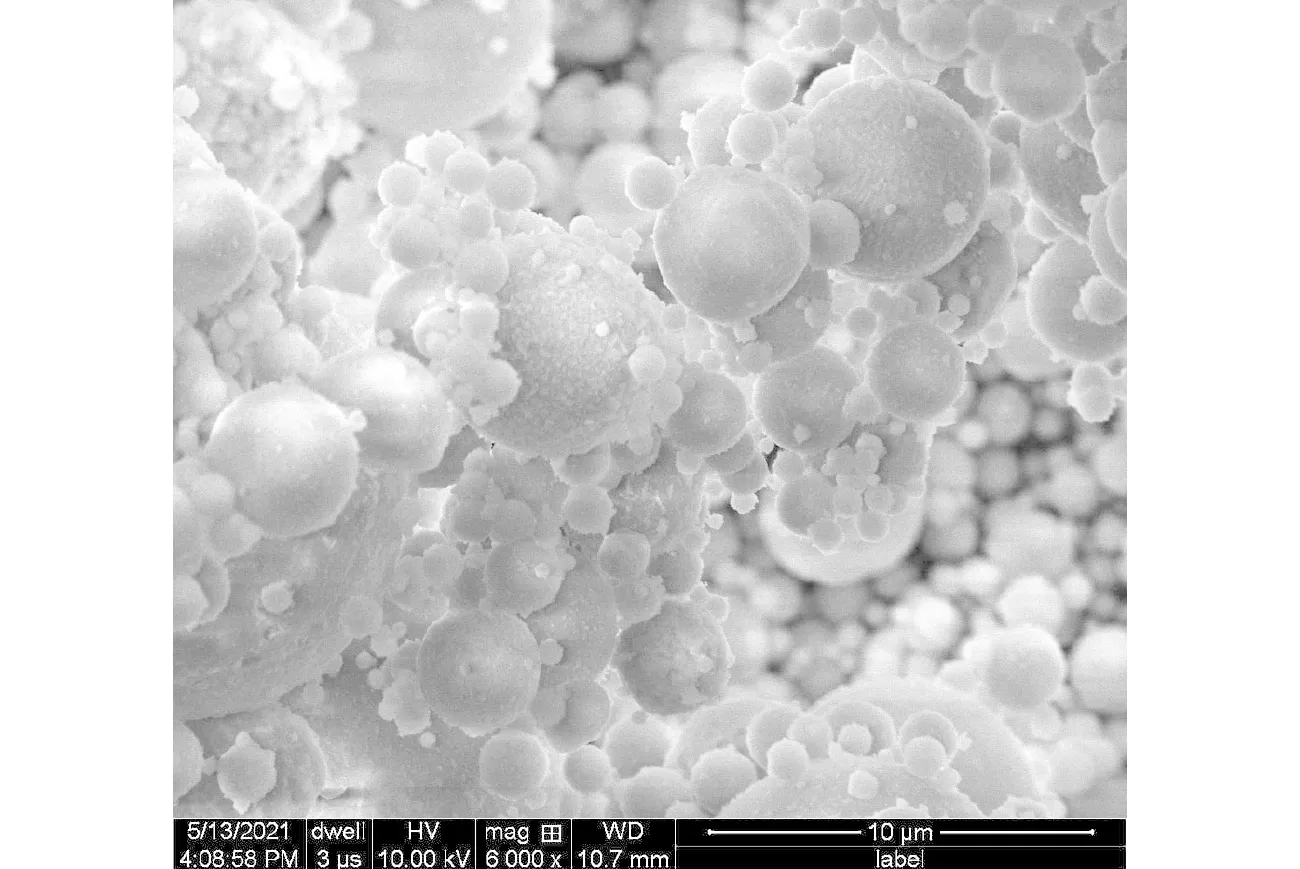
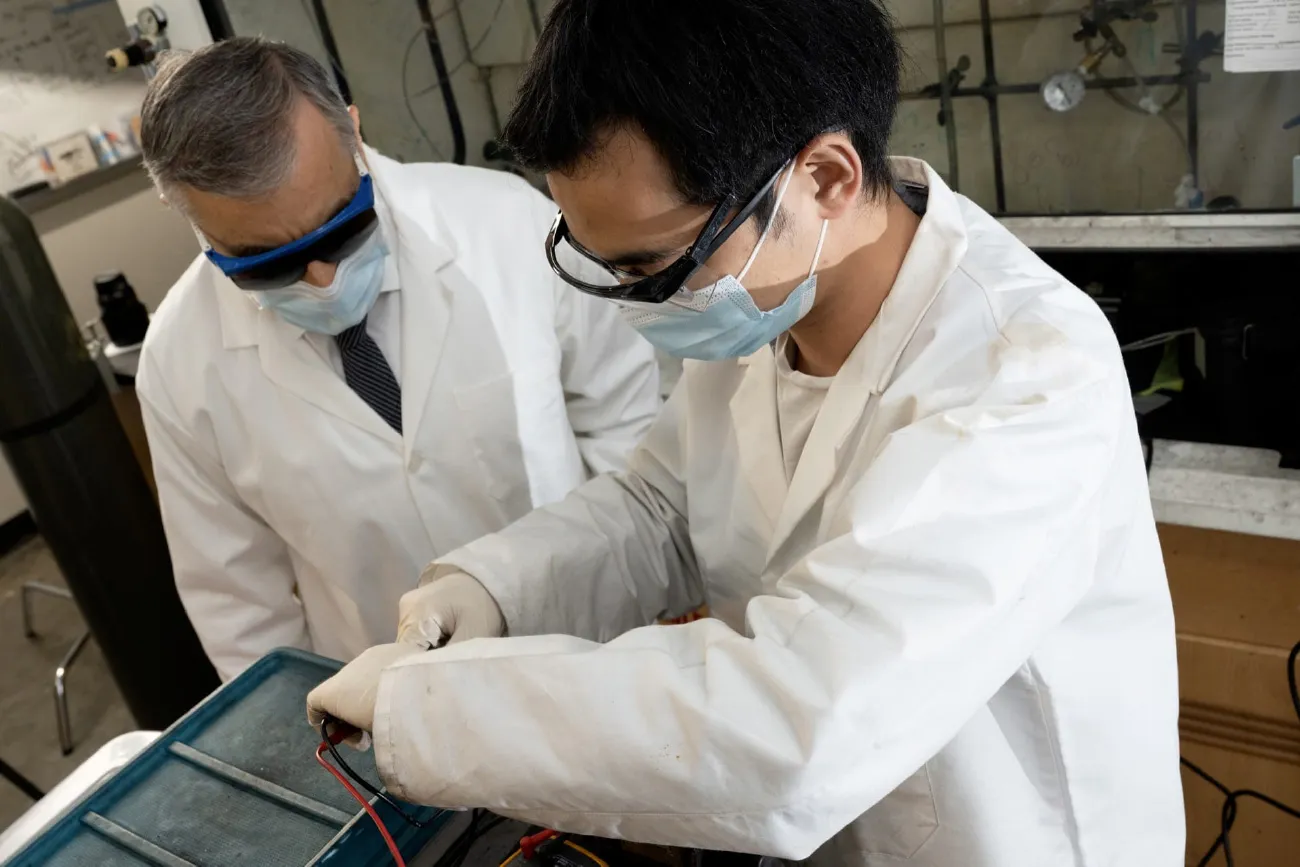
But innovation is also expected to help recover more rare earth elements. Rare earth elements are already extracted from industrial waste, including fly ash, bauxite residue from aluminium processing and, of course, electronic waste. For now, however, the yields are still modest. There was more good news on this front in 2023. Researchers at Rice University in Houston have developed a more efficient method for extracting rare earth elements from waste products. While conventional methods rely on leaching, the team of US scientists proposed an electrothermal process, specifically flash Joule heating (FJH). This involves heating the material very rapidly to a temperature of 3,000 °C. The technique has already proved effective for the sustainable processing of carbon-rich waste. It is also yielding results in the recovery of rare earth elements.
More raw materials, less waste
The research, published in the journal Science, resulted in an increase of up to 206% in the proportion of materials recovered from fly ash. Given that the concentration of rare earth elements in fly ash, bauxite residue and electronic waste is two to three times higher than in the world’s richest deposits, this is clearly a path worth exploring further. It not only gives Europe the raw materials needed to enable its green transition, but also reduces the amount of waste we produce, as less material needs to go to landfill or incineration. To be continued.
Question about this story? Ask your question
Keep following this
Get an email when a new story is published. No account needed.
- SubjectRare earth metals